

Can a Sensible Rotary Heat Wheel be used in a kitchen ventilation system?
In the realm of building ventilation, the efficient management of air quality and energy consumption is of paramount importance. Kitchen ventilation systems, in particular, face unique challenges due to the generation of heat, moisture, and pollutants during cooking processes. As a supplier of Sensible Rotary Heat Wheels, I am often asked whether these devices can be effectively integrated into kitchen ventilation systems. In this blog post, I will explore the feasibility and benefits of using a Sensible Rotary Heat Wheel in a kitchen ventilation setup.
Understanding the Sensible Rotary Heat Wheel
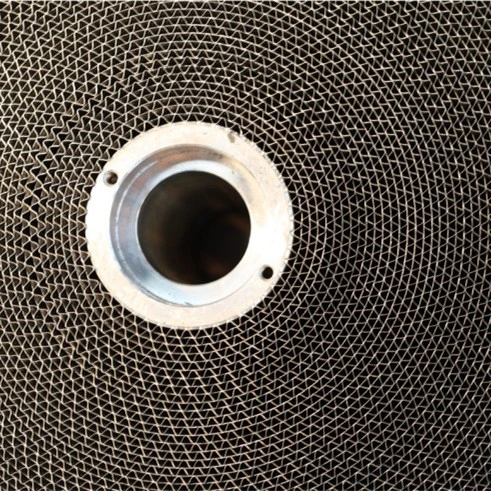
A Sensible Rotary Heat Wheel is a heat exchanger that operates on the principle of rotating a wheel filled with a heat-absorbing material. As the wheel rotates, it passes through the exhaust air stream and the supply air stream alternately. In the exhaust air stream, the wheel absorbs heat from the warm, contaminated air. Then, as it rotates into the supply air stream, it releases the stored heat to the incoming fresh air. This process allows for the recovery of a significant amount of heat energy that would otherwise be wasted, thereby reducing the energy required to heat the incoming air.
Challenges in Kitchen Ventilation
Kitchens are dynamic environments where a variety of cooking activities take place, generating large amounts of heat, steam, and pollutants such as grease, smoke, and odors. The ventilation system in a kitchen must be capable of removing these contaminants effectively to maintain a healthy and comfortable indoor environment. Additionally, the high heat and moisture levels can place a significant burden on the heating and cooling systems, leading to increased energy consumption.
One of the main challenges in using a heat exchanger in a kitchen ventilation system is the presence of grease and other contaminants in the exhaust air. These substances can accumulate on the heat exchanger surfaces, reducing its efficiency and potentially causing blockages. Therefore, any heat recovery device used in a kitchen must be able to withstand these harsh conditions and be easy to clean and maintain.
Feasibility of Using a Sensible Rotary Heat Wheel in a Kitchen
Despite the challenges, a Sensible Rotary Heat Wheel can be a viable option for kitchen ventilation systems, provided that certain design and operational considerations are taken into account.
1. Grease and Contaminant Resistance
Modern Sensible Rotary Heat Wheels are designed with materials and coatings that are resistant to grease and other contaminants. For example, some heat wheels are made of aluminum or stainless steel, which are durable and can withstand the corrosive effects of kitchen pollutants. Additionally, advanced self - cleaning mechanisms can be incorporated into the design to prevent the buildup of grease and debris on the heat exchanger surfaces. You can learn more about a Rotary Heat Wheel with Self Clean Device on our website.
2. Airflow and Pressure Drop
Proper airflow management is crucial in a kitchen ventilation system. The Sensible Rotary Heat Wheel should be sized correctly to ensure that it does not cause excessive pressure drop in the ventilation ducts. This requires careful calculation of the air volume, temperature differentials, and the heat transfer requirements of the system. A well - designed heat wheel can maintain a balanced airflow while still achieving high levels of heat recovery.
3. Hygiene and Safety
Maintaining hygiene in a kitchen is of utmost importance. The Sensible Rotary Heat Wheel should be designed to prevent the growth of bacteria and mold. This can be achieved through the use of antimicrobial coatings and proper ventilation design to ensure that moisture does not accumulate on the heat exchanger surfaces. Additionally, the heat wheel should be installed in a location that is easily accessible for cleaning and maintenance to ensure its continued safe and efficient operation.
Benefits of Using a Sensible Rotary Heat Wheel in a Kitchen
When properly implemented, a Sensible Rotary Heat Wheel can offer several benefits in a kitchen ventilation system.
1. Energy Savings
One of the primary advantages of using a Sensible Rotary Heat Wheel is the significant energy savings it can provide. By recovering heat from the exhaust air and transferring it to the incoming fresh air, the heat wheel reduces the amount of energy required to heat the supply air. This can result in substantial cost savings on heating bills, especially in commercial kitchens where the ventilation system operates continuously.
2. Improved Indoor Air Quality
A Sensible Rotary Heat Wheel helps to maintain a balanced airflow in the kitchen, ensuring that fresh air is constantly supplied while contaminants are effectively removed. This helps to improve the indoor air quality, creating a more comfortable and healthy environment for kitchen staff and occupants.
3. Environmental Sustainability
Reducing energy consumption in a kitchen ventilation system not only saves money but also has a positive impact on the environment. By using a Sensible Rotary Heat Wheel, less fossil fuel is burned to heat the incoming air, resulting in lower greenhouse gas emissions. This makes the kitchen more environmentally friendly and contributes to sustainable building practices.
Different Types of Sensible Rotary Heat Wheels for Kitchens
There are several types of Sensible Rotary Heat Wheels that can be considered for kitchen ventilation systems.
1. Rotary Heat Wheel with Self Clean Device
As mentioned earlier, a heat wheel with a self - clean device is particularly suitable for kitchens. This type of heat wheel is equipped with a mechanism that automatically cleans the heat exchanger surfaces, preventing the buildup of grease and other contaminants. This reduces the need for manual cleaning and maintenance, ensuring the long - term efficiency of the heat wheel.
2. Marine Rotary Heat Wheel
Although originally designed for marine applications, Marine Rotary Heat Wheels can also be used in kitchens. These heat wheels are built to withstand harsh environments and are often made of corrosion - resistant materials. They are designed to operate reliably in high - humidity and high - contamination conditions, making them a good choice for kitchen ventilation systems.
3. Winded Rotary Heat Wheel
Winded Rotary Heat Wheels are another option for kitchen ventilation. These heat wheels have a unique winding design that provides a large surface area for heat transfer, resulting in high efficiency. They are also relatively compact and can be easily integrated into existing ventilation systems.

Conclusion
In conclusion, a Sensible Rotary Heat Wheel can be effectively used in a kitchen ventilation system, provided that the appropriate design and operational measures are taken to address the challenges posed by kitchen contaminants. The benefits of energy savings, improved indoor air quality, and environmental sustainability make it a compelling option for both residential and commercial kitchens.
If you are considering implementing a Sensible Rotary Heat Wheel in your kitchen ventilation system, I encourage you to contact us to discuss your specific requirements. Our team of experts can provide you with detailed information, product recommendations, and assistance with the installation and maintenance of the heat wheel. We are committed to helping you achieve an efficient and sustainable kitchen ventilation solution.
References
- ASHRAE Handbook - HVAC Systems and Equipment. American Society of Heating, Refrigerating and Air - Conditioning Engineers.
- Building Ventilation Design Guide. Institution of Mechanical Engineers.
- Energy - Efficient Ventilation Systems for Commercial Kitchens. U.S. Department of Energy.