

Hey there! As a supplier of fresh air heat exchangers, I've been getting a lot of questions lately about what certifications a good unit should have. So, I thought I'd take a few minutes to share my thoughts on this topic.
First off, let's talk about why certifications matter. Certifications are like a stamp of approval from an independent organization that verifies a product meets certain standards. They give you, the customer, peace of mind knowing that the product you're buying is safe, reliable, and efficient. When it comes to fresh air heat exchangers, there are several certifications that you should look for.
One of the most important certifications for fresh air heat exchangers is the Energy Star certification. Energy Star is a program run by the U.S. Environmental Protection Agency (EPA) and the U.S. Department of Energy (DOE) that helps consumers identify energy-efficient products. To earn the Energy Star label, a fresh air heat exchanger must meet strict energy efficiency guidelines set by the EPA and DOE. This means that the unit uses less energy to operate, which can save you money on your energy bills over time. You can learn more about Energy Star certified products on the EPA's website.
Another important certification to look for is the AHRI certification. AHRI stands for the Air-Conditioning, Heating, and Refrigeration Institute. AHRI is a non-profit organization that sets standards for the HVAC industry. To earn the AHRI certification, a fresh air heat exchanger must undergo rigorous testing to ensure that it meets AHRI's performance standards. This includes testing for energy efficiency, airflow, and noise levels. The AHRI certification is recognized as the industry standard for HVAC products, so it's a good indication that the unit you're buying is of high quality. You can find more information about AHRI certified products on the AHRI website.
In addition to the Energy Star and AHRI certifications, there are several other certifications that you may want to consider. For example, the UL certification is a safety certification that indicates a product has been tested and meets safety standards set by Underwriters Laboratories. The CSA certification is similar to the UL certification, but it's specific to products sold in Canada. These certifications are important because they ensure that the fresh air heat exchanger you're buying is safe to use in your home.

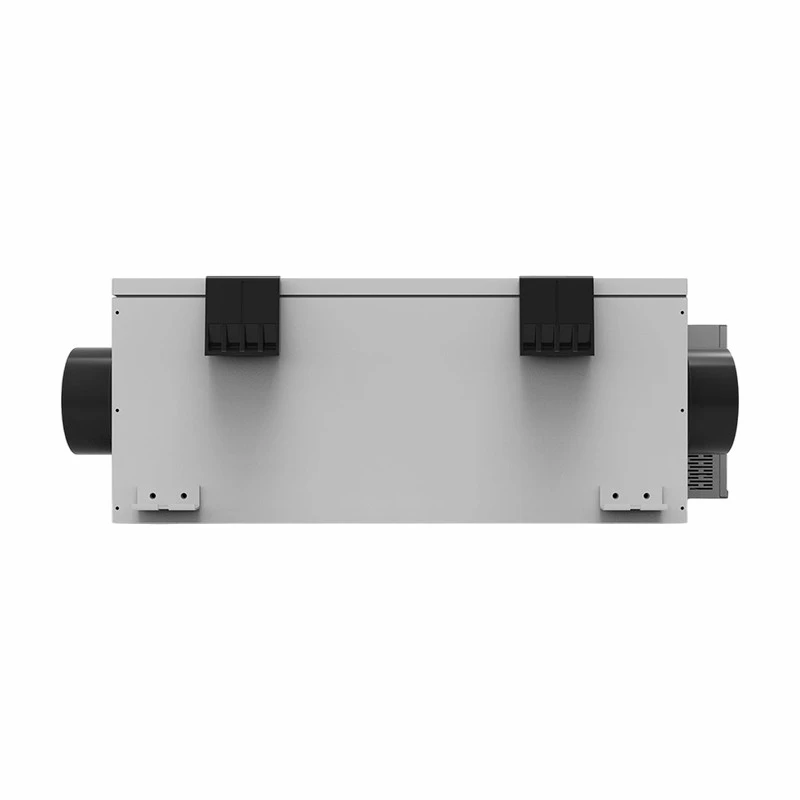
Another certification to look for is the HVI certification. HVI stands for the Home Ventilating Institute. HVI is a non-profit organization that sets standards for home ventilation products. To earn the HVI certification, a fresh air heat exchanger must meet HVI's performance standards for airflow, energy efficiency, and indoor air quality. The HVI certification is a good indication that the unit you're buying is designed to provide effective ventilation and improve the air quality in your home. You can learn more about HVI certified products on the HVI website.
Now that you know what certifications to look for, let's talk about how to find a fresh air heat exchanger that has these certifications. One of the easiest ways to find a certified unit is to look for products that are labeled with the certification logos. These logos are usually displayed on the product packaging or on the manufacturer's website. You can also check the certification databases of the organizations mentioned above to see if a specific product is certified.
When you're shopping for a fresh air heat exchanger, it's also important to consider the size and capacity of the unit. The size and capacity of the unit will depend on the size of your home and your ventilation needs. A professional HVAC contractor can help you determine the right size and capacity of the unit for your home.
In addition to the certifications and size of the unit, you may also want to consider other features and options. For example, some fresh air heat exchangers come with built-in air filters that can help improve the air quality in your home. Others may have adjustable settings that allow you to customize the airflow and temperature of the unit. These features can add to the comfort and convenience of using the unit.
As a supplier of fresh air heat exchangers, I understand that choosing the right unit for your home can be a daunting task. That's why I'm here to help. If you have any questions or need more information about fresh air heat exchangers or the certifications they should have, please don't hesitate to contact me. I'd be happy to answer your questions and help you find the right unit for your home.
If you're interested in learning more about our fresh air heat exchangers, you can visit our website at Home Fresh Air Exchanger. We also offer a Home Energy Recovery Ventilator and a Wall Mounted Foaming Machine. These products are designed to provide effective ventilation and improve the air quality in your home.
In conclusion, when shopping for a fresh air heat exchanger, it's important to look for products that have the right certifications. The Energy Star, AHRI, UL, CSA, and HVI certifications are all important indicators of a high-quality, energy-efficient, and safe unit. By choosing a certified unit, you can have peace of mind knowing that you're making a smart investment in your home's comfort and energy efficiency. If you have any questions or need more information, please don't hesitate to contact me. I'm here to help you find the right fresh air heat exchanger for your home.
References:
- U.S. Environmental Protection Agency. (n.d.). Energy Star. Retrieved from https://www.energystar.gov/
- Air-Conditioning, Heating, and Refrigeration Institute. (n.d.). AHRI Directory. Retrieved from https://www.ahridirectory.org/
- Underwriters Laboratories. (n.d.). UL Certification. Retrieved from https://www.ul.com/
- Canadian Standards Association. (n.d.). CSA Certification. Retrieved from https://www.csa.ca/
- Home Ventilating Institute. (n.d.). HVI Certification. Retrieved from https://www.hvi.org/