

Can I use multiple in - line duct fans together?
As a supplier of in - line duct fans, I often get asked the question: "Can I use multiple in - line duct fans together?" The answer is yes, but there are several important factors to consider before doing so.
Why Use Multiple In - Line Duct Fans?
There are several reasons why you might want to use multiple in - line duct fans. Firstly, in large ventilation systems, a single fan may not be sufficient to move the required volume of air. For example, in industrial warehouses or large commercial buildings, the ductwork can be extensive, and the air needs to be transported over long distances. Multiple fans can work in tandem to provide the necessary air pressure and flow rate to ensure proper ventilation throughout the entire space.
Secondly, using multiple fans can provide redundancy. If one fan fails, the others can still maintain a certain level of ventilation, reducing the risk of complete system failure. This is particularly important in critical environments such as hospitals, laboratories, or data centers, where continuous ventilation is essential for maintaining air quality and equipment performance.
Thirdly, different areas within a building may have different ventilation requirements. By using multiple in - line duct fans, you can customize the ventilation in each area according to its specific needs. For instance, areas with high heat generation or high pollutant levels may require more powerful or additional fans to ensure adequate air exchange.
Factors to Consider When Using Multiple In - Line Duct Fans
- Fan Compatibility: Not all in - line duct fans are created equal. When using multiple fans, it is crucial to ensure that they are compatible in terms of their performance characteristics. This includes factors such as airflow capacity, static pressure, and power consumption. Fans with similar performance ratings should be selected to ensure that they work together efficiently. For example, if one fan has a much higher airflow capacity than the others, it may cause uneven air distribution and put unnecessary stress on the system.
- Ductwork Design: The design of the ductwork plays a vital role in the performance of multiple in - line duct fans. The duct layout should be carefully planned to minimize resistance and ensure smooth air flow. Bends, elbows, and restrictions in the ductwork can increase the static pressure, reducing the efficiency of the fans. Additionally, the duct size should be appropriate for the combined airflow of all the fans. If the duct is too small, it can cause excessive pressure drop and reduce the overall performance of the system.
- Control System: A proper control system is essential when using multiple in - line duct fans. The fans should be controlled in a coordinated manner to ensure that they operate at the optimal level. This can be achieved through the use of sensors, timers, or variable speed drives. For example, sensors can detect the air quality or temperature in different areas of the building and adjust the fan speed accordingly. Timers can be used to schedule the operation of the fans based on the occupancy or usage patterns of the building.
Types of In - Line Duct Fans for Multiple Fan Systems
There are several types of in - line duct fans that can be used in multiple fan systems.
- Centrifugal Cabinet Fan: Centrifugal cabinet fans are known for their high static pressure capabilities, making them suitable for applications where air needs to be pushed through long or complex ductwork. You can learn more about Centrifugal Cabinet Fan.
- Centrifugal Ventilation Fan: These fans are designed to provide efficient ventilation in a variety of settings. They can be used in combination with other fans to increase the overall airflow and ventilation performance. Check out Centrifugal Ventilation Fan for more details.
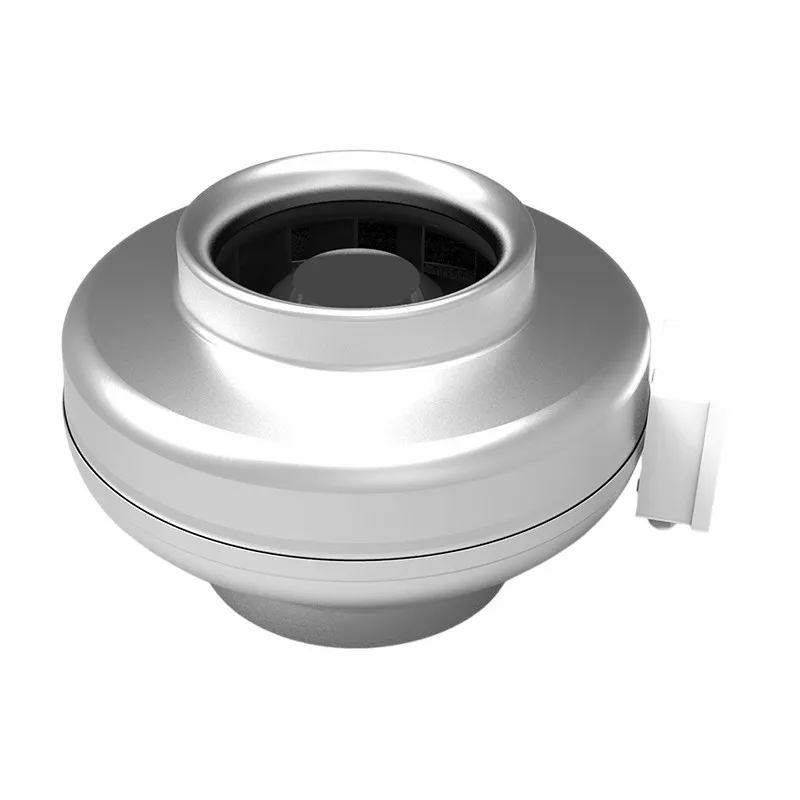
- Circular Duct Fan: Circular duct fans are compact and easy to install in circular duct systems. They are often used in residential and small commercial applications. For more information on Circular Duct Fan.
Installation and Maintenance
Proper installation is crucial when using multiple in - line duct fans. The fans should be installed in accordance with the manufacturer's instructions to ensure their safe and efficient operation. It is also important to leave enough space around the fans for maintenance and access.
Regular maintenance is also essential to keep the fans in good working condition. This includes cleaning the fans, checking the belts and bearings, and inspecting the electrical connections. By performing regular maintenance, you can extend the lifespan of the fans and prevent potential problems.
Conclusion
In conclusion, using multiple in - line duct fans together is a viable solution for many ventilation applications. However, it requires careful planning, consideration of various factors, and proper installation and maintenance. As a supplier of in - line duct fans, we have the expertise and products to help you design and implement a multiple - fan ventilation system that meets your specific needs.
If you are interested in learning more about our in - line duct fans or need assistance with your ventilation project, we encourage you to contact us for a consultation. Our team of experts is ready to provide you with the best solutions and support.

References
- ASHRAE Handbook - HVAC Systems and Equipment.
- Fan Manufacturers Association (FMA) Standards.