

As a provider of household fresh air systems, I often receive inquiries from customers about the noise level standards for these systems. In this blog post, I'll delve into what the noise level standards for a household fresh air system are, why they matter, and how our products meet these standards.
Why Noise Level Standards Matter
Before we discuss the specific standards, let's understand why they are important. A household fresh air system is designed to improve indoor air quality by bringing in fresh outdoor air and expelling stale indoor air. However, if the system generates excessive noise, it can disrupt the peaceful environment of your home, causing annoyance and potentially affecting your sleep and overall well - being.
For instance, a noisy fresh air system in a bedroom can make it difficult to fall asleep or stay asleep, leading to sleep deprivation and related health issues. In a living room or study, high - level noise can interfere with conversations, watching TV, or reading. Therefore, adhering to noise level standards is crucial for ensuring a comfortable living environment.
International and National Noise Level Standards
Different countries and regions have their own set of noise level standards for household appliances, including fresh air systems. In general, the World Health Organization (WHO) recommends that indoor noise levels during the day should not exceed 35 - 40 decibels (dB) for a comfortable living environment, and at night, it should be even lower, around 30 dB.
In the United States, the Environmental Protection Agency (EPA) has set guidelines for noise levels in residential areas. For household appliances, a noise level below 45 dB is considered acceptable for normal living conditions. In Europe, the European Union has also established strict noise emission limits for various household appliances, aiming to protect consumers from excessive noise pollution.
Measuring Noise Levels of Fresh Air Systems
The noise level of a fresh air system is typically measured in decibels (dB). To measure the noise level accurately, a sound level meter is used. The measurement is usually taken at a specific distance from the system, often 1 meter away, and at ear - height.
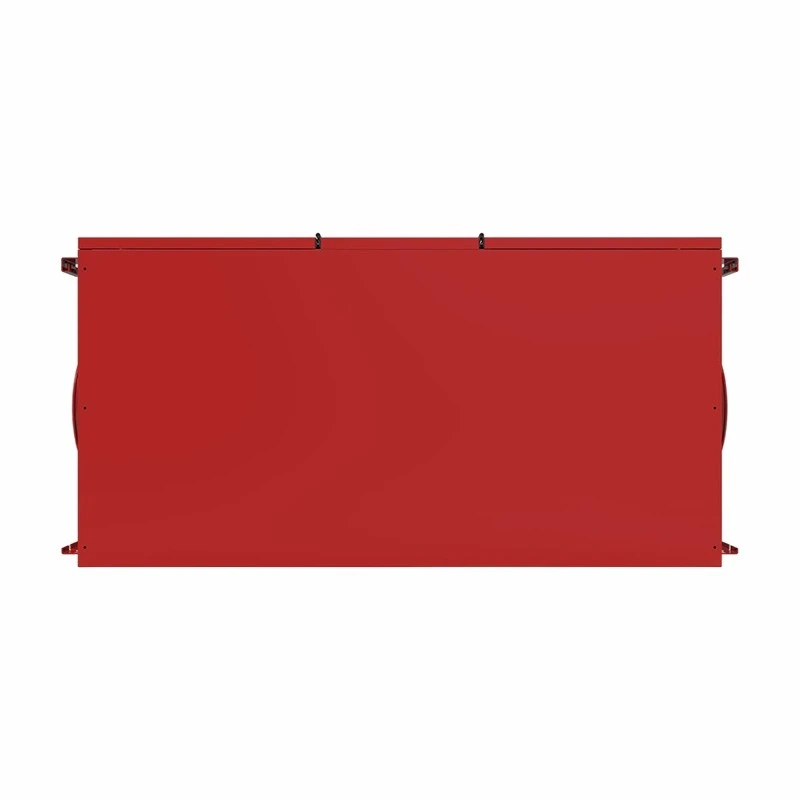

When a fresh air system is operating, the noise it produces comes from various components, such as the fan, motor, and airflow. The fan is one of the main sources of noise. As the fan rotates to draw in and circulate air, it creates turbulence, which generates sound. The motor also produces noise due to its mechanical operation. Additionally, the airflow through the ducts can cause whistling or rattling sounds if the ducts are not properly installed or if there are obstructions.
Our Company's Commitment to Noise Reduction
As a leading supplier of household fresh air systems, we understand the importance of keeping noise levels to a minimum. Our R & D team has been working hard to develop technologies that can effectively reduce the noise generated by our systems.
One of the key features of our fresh air systems is the use of high - quality, low - noise fans. These fans are designed with advanced aerodynamics to minimize turbulence and reduce noise. For example, our Inline Fresh Air Fan is engineered with a special blade design that allows for smooth airflow, resulting in significantly lower noise levels compared to traditional fans.
We also pay great attention to the installation of our systems. Proper installation is essential for reducing noise. Our professional installation team ensures that the ducts are properly sealed and insulated to prevent air leakage and reduce the noise caused by airflow. In addition, vibration - damping materials are used to isolate the system from the surrounding structure, further reducing the transmission of noise.
Product Examples and Their Noise Levels
Let's take a look at some of our popular products and their noise levels:
- Inline Fresh Air Fan: This product is designed for easy installation in ductwork. It operates quietly, with a noise level of only 35 - 40 dB at normal operating speeds. This makes it ideal for use in bedrooms, living rooms, and other areas where a quiet environment is desired.
- Mobile Dehumidifier with New Wind: Our Mobile Dehumidifier with New Wind not only dehumidifies the air but also provides fresh air circulation. It has a noise level of around 40 - 45 dB, which is relatively low considering its dual functions.
- Horizontal Air Exchanger: The Horizontal Air Exchanger is a high - performance product that can efficiently exchange indoor and outdoor air. It is engineered to operate with a noise level of 38 - 42 dB, ensuring a quiet and comfortable living environment.
Benefits of Low - Noise Fresh Air Systems
Apart from providing a quiet living environment, low - noise fresh air systems offer several other benefits. Firstly, they can improve the overall quality of life. You can enjoy a peaceful home without being disturbed by the noise of the fresh air system. Secondly, low - noise systems are more energy - efficient. Our advanced technology not only reduces noise but also optimizes the performance of the system, resulting in lower energy consumption.
Contact Us for Purchase and Consultation
If you are interested in our household fresh air systems and want to learn more about their noise levels, performance, or installation, please feel free to contact us. We have a team of professional sales representatives who can provide you with detailed information and answer all your questions. Whether you are looking for a small - scale system for a single room or a large - scale system for an entire house, we have the right solution for you.
Investing in a high - quality, low - noise fresh air system is a wise choice for your health and comfort. Let us help you create a fresh and quiet living environment.
References
- World Health Organization. (2009). Guidelines for Community Noise.
- United States Environmental Protection Agency. (1972). Information on Levels of Environmental Noise Requisite to Protect Public Health and Welfare with an Adequate Margin of Safety.
- European Union. (2010). Directive 2000/14/EC on the Approximation of the Laws of the Member States Relating to the Noise Emission in the Environment by Equipment for Use Outdoors.