

When it comes to HVAC (Heating, Ventilation, and Air Conditioning) systems, rotary heat wheels play a crucial role in energy recovery. As a reputable rotary heat wheel supplier, we understand the importance of choosing the right size of a rotary heat wheel for optimal performance and energy efficiency. In this blog post, we will guide you through the process of selecting the appropriate size, taking into account various factors that influence the decision.
Understanding Rotary Heat Wheels
Before delving into the sizing process, let's briefly understand what rotary heat wheels are. A rotary heat wheel, also known as a regenerative heat exchanger, is a device used to transfer heat between two air streams. It consists of a rotating wheel filled with a heat-absorbing material, typically made of aluminum or other high-performance alloys. As the wheel rotates, it absorbs heat from the exhaust air stream and releases it to the incoming fresh air stream, thereby preheating or precooling the fresh air and reducing the energy required for heating or cooling.
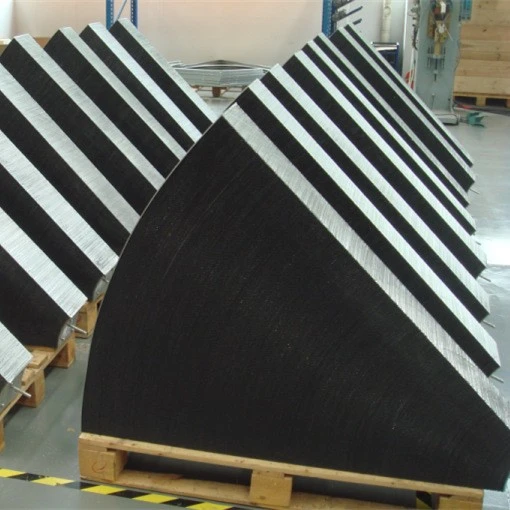
There are different types of rotary heat wheels available in the market, each designed for specific applications. For example, the Aluminum Rotary Heat Wheel is known for its lightweight, high thermal conductivity, and corrosion resistance, making it suitable for a wide range of HVAC systems. The Sectorized Rotary Heat Wheel allows for separate control of different air streams, providing greater flexibility in heat transfer. And the Sensible Rotary Heat Wheel is designed to transfer only sensible heat, which is useful in applications where latent heat transfer is not required.
Factors to Consider When Choosing the Size
1. Airflow Rate
The airflow rate is one of the most important factors to consider when sizing a rotary heat wheel. It refers to the volume of air that passes through the heat wheel per unit of time, usually measured in cubic feet per minute (CFM) or cubic meters per hour (m³/h). The airflow rate determines the amount of heat that needs to be transferred, and thus, the size of the heat wheel required.
To determine the airflow rate, you need to consider the size of the space to be conditioned, the number of occupants, the type of activities taking place in the space, and the ventilation requirements. For example, a large commercial building with a high occupancy rate will require a higher airflow rate than a small residential home. Once you have determined the airflow rate, you can use it as a basis for selecting the appropriate size of the rotary heat wheel.
2. Temperature Difference
The temperature difference between the exhaust air and the incoming fresh air is another critical factor in sizing a rotary heat wheel. The greater the temperature difference, the more heat needs to be transferred, and the larger the heat wheel required. The temperature difference is typically measured in degrees Fahrenheit (°F) or degrees Celsius (°C).

When calculating the temperature difference, you need to consider the outdoor temperature, the indoor temperature setpoint, and the temperature of the exhaust air. For example, in a cold climate, the temperature difference between the outdoor air and the indoor air will be larger than in a warm climate. This means that a larger heat wheel will be required to transfer the same amount of heat in a cold climate compared to a warm climate.
3. Heat Recovery Efficiency
Heat recovery efficiency is a measure of how effectively the rotary heat wheel transfers heat from the exhaust air to the incoming fresh air. It is expressed as a percentage and is influenced by factors such as the design of the heat wheel, the material used, and the operating conditions. A higher heat recovery efficiency means that more heat is transferred, resulting in greater energy savings.
When selecting a rotary heat wheel, you should aim for a high heat recovery efficiency. However, it's important to note that higher efficiency usually comes at a higher cost. Therefore, you need to balance the cost of the heat wheel with the energy savings it provides. The heat recovery efficiency can be calculated using the following formula:
Heat Recovery Efficiency (%) = (Actual Heat Transfer / Maximum Possible Heat Transfer) x 100
4. Space Constraints
Space constraints are another practical consideration when choosing the size of a rotary heat wheel. You need to ensure that the heat wheel will fit into the available space in the HVAC system. This includes considering the dimensions of the heat wheel, as well as the space required for installation, maintenance, and access.
If space is limited, you may need to consider a compact or custom-designed heat wheel. However, it's important to note that reducing the size of the heat wheel may also reduce its heat transfer capacity and efficiency. Therefore, you need to carefully evaluate the trade-offs between space requirements and performance.
5. Budget
Budget is always an important factor in any purchasing decision. The cost of a rotary heat wheel can vary depending on its size, design, material, and features. When choosing the size of the heat wheel, you need to consider your budget and ensure that you are getting the best value for your money.
In general, larger heat wheels with higher heat recovery efficiencies will cost more than smaller heat wheels with lower efficiencies. However, as mentioned earlier, the energy savings provided by a higher efficiency heat wheel may offset the higher initial cost over time. Therefore, it's important to consider the long-term cost of ownership when making your decision.
Sizing Calculations
Once you have considered all the factors mentioned above, you can use the following steps to calculate the size of the rotary heat wheel:
Step 1: Calculate the Heat Load
The heat load is the amount of heat that needs to be transferred from the exhaust air to the incoming fresh air. It can be calculated using the following formula:
Heat Load (BTU/h) = Airflow Rate (CFM) x 1.08 x Temperature Difference (°F)
Where 1.08 is a constant that accounts for the specific heat of air and the conversion factor from CFM to cubic feet per hour.
If you are using the metric system, the formula becomes:
Heat Load (kW) = Airflow Rate (m³/h) x 1.2 x Temperature Difference (°C) / 3600
Where 1.2 is the specific heat of air in kJ/(kg·°C) and 3600 is the conversion factor from seconds to hours.
Step 2: Determine the Heat Transfer Capacity of the Heat Wheel
The heat transfer capacity of the heat wheel is the amount of heat that it can transfer per unit of time. It is usually specified by the manufacturer and is based on the size, design, and material of the heat wheel.
To determine the required heat transfer capacity, divide the heat load by the heat recovery efficiency of the heat wheel. For example, if the heat load is 100,000 BTU/h and the heat recovery efficiency is 80%, the required heat transfer capacity is:
Required Heat Transfer Capacity (BTU/h) = 100,000 BTU/h / 0.8 = 125,000 BTU/h
Step 3: Select the Appropriate Size of the Heat Wheel
Once you have determined the required heat transfer capacity, you can select the appropriate size of the rotary heat wheel from the manufacturer's product catalog. The catalog will typically list the heat transfer capacity, dimensions, and other specifications of each heat wheel model.
When selecting the size of the heat wheel, you should choose a model that has a heat transfer capacity slightly higher than the required capacity to ensure that it can meet the demands of the HVAC system under all operating conditions. However, you should also avoid choosing a heat wheel that is too large, as this can result in increased cost and reduced efficiency.
Conclusion
Choosing the right size of a rotary heat wheel is essential for achieving optimal performance and energy efficiency in your HVAC system. By considering factors such as airflow rate, temperature difference, heat recovery efficiency, space constraints, and budget, and following the sizing calculations outlined in this blog post, you can select the appropriate heat wheel for your specific application.
As a leading rotary heat wheel supplier, we offer a wide range of high-quality heat wheels in various sizes and configurations to meet the diverse needs of our customers. Our experienced team of engineers can also provide customized solutions and technical support to help you choose the right size of the heat wheel for your HVAC system.
If you are interested in learning more about our rotary heat wheels or would like to discuss your specific requirements, please feel free to contact us. We look forward to working with you to achieve your energy efficiency goals.
References
- ASHRAE Handbook - HVAC Systems and Equipment. American Society of Heating, Refrigerating and Air-Conditioning Engineers (ASHRAE).
- HVAC Systems Design Handbook. McQuiston, Parker, and Spitler.