

Hey there! As a supplier of Winded Heat Recovery Wheels, I often get asked if these nifty devices can be used in greenhouses. Well, let's dive right into it and find out!
Understanding the Basics of a Winded Heat Recovery Wheel
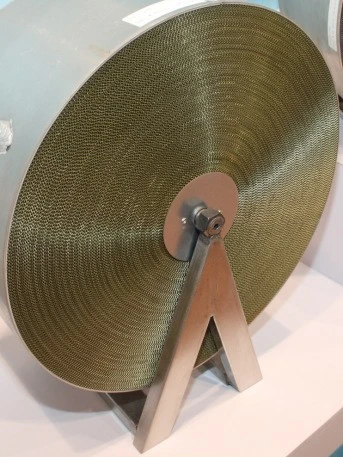
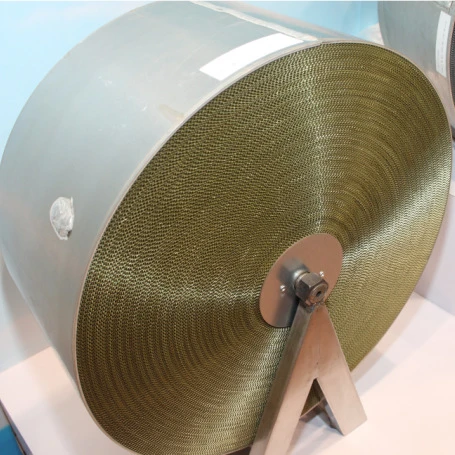
First off, let's talk a bit about what a Winded Heat Recovery Wheel is. It's a piece of equipment that's designed to recover heat from the exhaust air and transfer it to the incoming fresh air. This process helps to save energy by reducing the amount of heating or cooling required for the incoming air.
The wheel itself is made up of a large, rotating disk that's filled with a heat-absorbing material. As the wheel rotates, it passes through the exhaust air stream, where it picks up heat. Then, as it continues to rotate, it moves into the incoming fresh air stream, releasing the heat it absorbed. This continuous cycle of heat transfer makes it an efficient way to manage the temperature of a space.
The Needs of a Greenhouse
Now, let's take a look at what a greenhouse needs. Greenhouses are used to grow plants in a controlled environment. They need to maintain a stable temperature, humidity, and air quality to ensure the healthy growth of the plants. Temperature control is especially crucial, as different plants have different temperature requirements.
During the colder months, greenhouses need to be heated to keep the plants warm. On the other hand, during the warmer months, they need to be cooled to prevent the plants from overheating. Additionally, proper ventilation is necessary to remove stale air and bring in fresh carbon dioxide for photosynthesis.
Can a Winded Heat Recovery Wheel Work in a Greenhouse?
The short answer is yes! A Winded Heat Recovery Wheel can be a great addition to a greenhouse for several reasons.
Energy Efficiency
One of the biggest advantages of using a Winded Heat Recovery Wheel in a greenhouse is energy efficiency. Greenhouses can consume a significant amount of energy for heating and cooling. By recovering heat from the exhaust air and using it to pre - heat the incoming fresh air, the wheel can reduce the energy needed to heat the greenhouse. This not only saves money on energy bills but also makes the greenhouse more environmentally friendly.
Temperature Control
Maintaining a stable temperature is essential for the health of the plants in a greenhouse. A Winded Heat Recovery Wheel helps to regulate the temperature by transferring heat between the exhaust and incoming air. This means that during cold weather, the incoming air is pre - heated, and during hot weather, the wheel can also be used in a cooling mode in some systems, helping to keep the greenhouse at an optimal temperature.
Air Quality
Proper ventilation is crucial for a greenhouse. A Winded Heat Recovery Wheel allows for continuous air exchange while minimizing heat loss. This ensures that fresh air is constantly being brought into the greenhouse, providing the plants with the carbon dioxide they need for photosynthesis. At the same time, stale air, which may contain high levels of moisture or pollutants, is removed.
Types of Heat Recovery Wheels for Greenhouses
There are different types of heat recovery wheels that can be used in greenhouses. Besides the Winded Heat Recovery Wheel, the 3A Molecular Sieve Heat Recovery Wheel and Aluminum Heat Recovery Wheel are also popular options.
The 3A Molecular Sieve Heat Recovery Wheel is great for applications where humidity control is important. It can adsorb and desorb moisture as well as transfer heat, making it suitable for greenhouses where maintaining the right humidity level is crucial.
The Aluminum Heat Recovery Wheel, on the other hand, is known for its durability and high heat transfer efficiency. It's a cost - effective option that can handle a large volume of air, which is beneficial for larger greenhouses.
Considerations When Using a Winded Heat Recovery Wheel in a Greenhouse
While a Winded Heat Recovery Wheel can offer many benefits to a greenhouse, there are a few things to consider before installing one.
Size and Capacity
The size and capacity of the wheel need to be carefully chosen based on the size of the greenhouse. A wheel that's too small won't be able to handle the air volume and heat transfer requirements, while a wheel that's too large will be inefficient and costly.
Maintenance
Like any piece of equipment, a Winded Heat Recovery Wheel requires regular maintenance. This includes cleaning the wheel to prevent the buildup of dirt and debris, which can reduce its efficiency. Additionally, the bearings and drive system need to be inspected and lubricated periodically.
Compatibility with Other Systems
The heat recovery wheel needs to be compatible with the existing heating, cooling, and ventilation systems in the greenhouse. It should be able to integrate seamlessly to ensure optimal performance.
Conclusion
In conclusion, a Winded Heat Recovery Wheel can definitely be used in a greenhouse. It offers energy efficiency, temperature control, and improved air quality, all of which are essential for the healthy growth of plants. Whether you choose a Winded Heat Recovery Wheel, a 3A Molecular Sieve Heat Recovery Wheel, or an Aluminum Heat Recovery Wheel, it's important to consider the specific needs of your greenhouse and choose the right system.
If you're interested in learning more about how a heat recovery wheel can benefit your greenhouse or if you're ready to start the procurement process, feel free to reach out. We're here to help you make the best decision for your greenhouse and ensure that you get the most out of your investment.
References
- ASHRAE Handbook of HVAC Systems and Equipment. American Society of Heating, Refrigerating and Air - Conditioning Engineers.
- Greenhouse Environmental Management. Various publications on greenhouse technology and plant growth requirements.