

Hey there! As a supplier of ceiling foaming machines, I often get asked about how to adjust the hardness of the foam produced by these machines. It's a crucial aspect, especially when you're looking to achieve different results for various ceiling projects. In this blog, I'll share some practical tips and tricks on how to make those adjustments effectively.
First things first, let's understand what affects the hardness of the foam. The main factors include the chemical composition of the foam materials, the mixing ratio, and the operating conditions of the machine.
Chemical Composition of Foam Materials
The type of raw materials used in the foam plays a significant role in determining its hardness. Different chemicals have different properties, and manufacturers often formulate their foam materials to achieve specific hardness levels. For example, if you're using a polyurethane - based foam, the type of polyol and isocyanate can greatly influence the final hardness.
Some polyols are designed to produce softer foams, while others are formulated for harder ones. When you're purchasing foam materials, make sure to ask the supplier about the hardness characteristics. They can usually provide you with some guidelines based on the specific product. If you're aiming for a harder foam, look for materials that are labeled as high - density or rigid. These materials typically have a higher proportion of cross - linking agents, which contribute to the increased hardness.
Mixing Ratio
The mixing ratio of the foam components is another critical factor. Most ceiling foaming machines work by mixing two or more chemicals together. In a typical two - component foam system, you have a resin and a hardener. The ratio in which these two are mixed can have a direct impact on the hardness of the resulting foam.
If you increase the proportion of the hardener relative to the resin, the foam will generally become harder. However, it's important not to go overboard. An excessive amount of hardener can lead to issues such as brittleness and poor adhesion. On the other hand, if you use too little hardener, the foam may not cure properly and will end up being too soft.
To find the optimal mixing ratio, it's a good idea to do some small - scale tests. Start with the manufacturer's recommended ratio as a baseline. Then, make slight adjustments and observe the results. You can create test samples on a piece of scrap material and let them cure. After that, you can evaluate the hardness by pressing on the foam or using a hardness testing tool.
Operating Conditions
The operating conditions of the ceiling foaming machine also matter. Temperature and humidity can affect the curing process of the foam, which in turn influences its hardness.
Temperature
Foam curing is a chemical reaction, and temperature plays a crucial role in how quickly and effectively this reaction occurs. In general, higher temperatures can speed up the curing process, resulting in a harder foam. However, if the temperature is too high, it can cause the foam to expand too rapidly and form a less - uniform structure.
Conversely, lower temperatures can slow down the curing process, leading to a softer foam. If you're working in a cold environment, you may need to pre - heat the foam materials or use a heating system to maintain an optimal temperature. Most manufacturers recommend operating the machine within a specific temperature range, usually between 15°C and 30°C.
Humidity
Humidity can also have an impact on the foam's hardness. High humidity can introduce moisture into the foam, which can interfere with the curing process. This may result in a softer or less - stable foam. On the other hand, extremely low humidity can cause the foam to dry out too quickly, leading to cracking and brittleness.
To control humidity, you can use a dehumidifier or a humidifier depending on the conditions. If you're working indoors, make sure the area is well - ventilated to prevent the buildup of moisture.
Other Considerations
Apart from the above factors, the pressure and flow rate settings of the ceiling foaming machine can also affect the foam's hardness. Higher pressure can sometimes result in a more compact and harder foam. However, this also needs to be balanced with the proper mixing of the components.
If you're using a Wall Mounted Foaming Machine, it's important to follow the manufacturer's instructions regarding pressure and flow rate adjustments. These machines are designed to operate within specific parameters, and deviating too much from them can lead to sub - optimal results.
In addition, the type of nozzle used on the machine can influence the foam's characteristics. Different nozzles can produce different spray patterns and densities. For a harder foam, you may want to use a nozzle that provides a more concentrated and high - pressure spray.
Troubleshooting
If you're having trouble getting the right hardness, here are some common issues and solutions:
- Foam is too soft: Check the mixing ratio to make sure you're using enough hardener. Also, check the temperature and humidity conditions. If it's too cold or humid, take steps to adjust them.
- Foam is too hard and brittle: Reduce the amount of hardener in the mixing ratio. Make sure the temperature isn't too high during the curing process.
Conclusion
Adjusting the hardness of the foam produced by a ceiling foaming machine requires a combination of understanding the chemical properties of the materials, controlling the mixing ratio, and managing the operating conditions. By following these tips, you can achieve the desired hardness for your ceiling projects.
If you're in the market for a ceiling foaming machine or need more information about foam materials, feel free to reach out. We're here to help you make the most of your projects. Whether you're a professional contractor or a DIY enthusiast, we have the products and expertise to meet your needs.
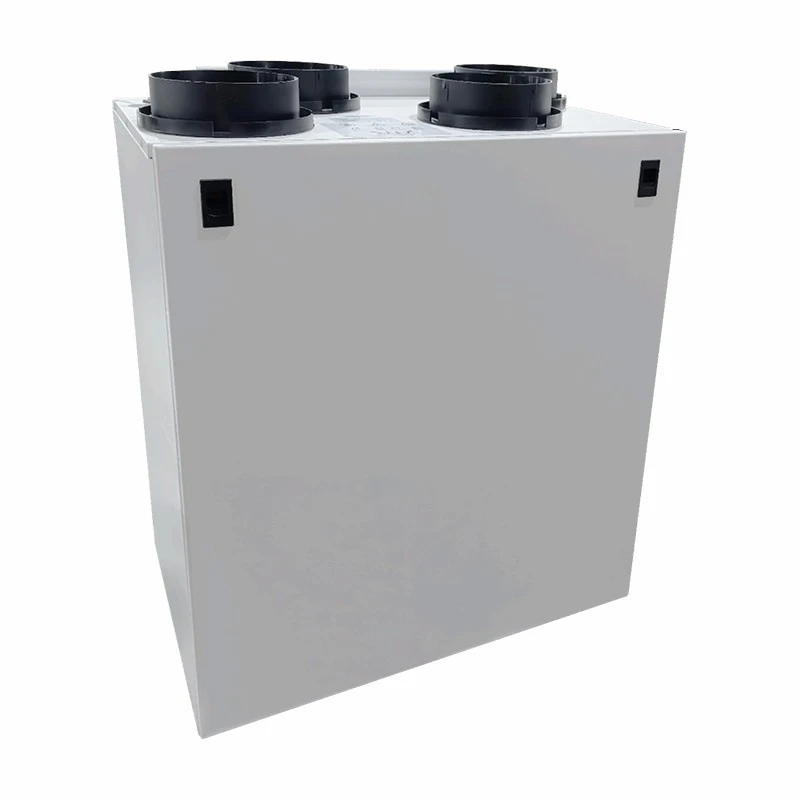
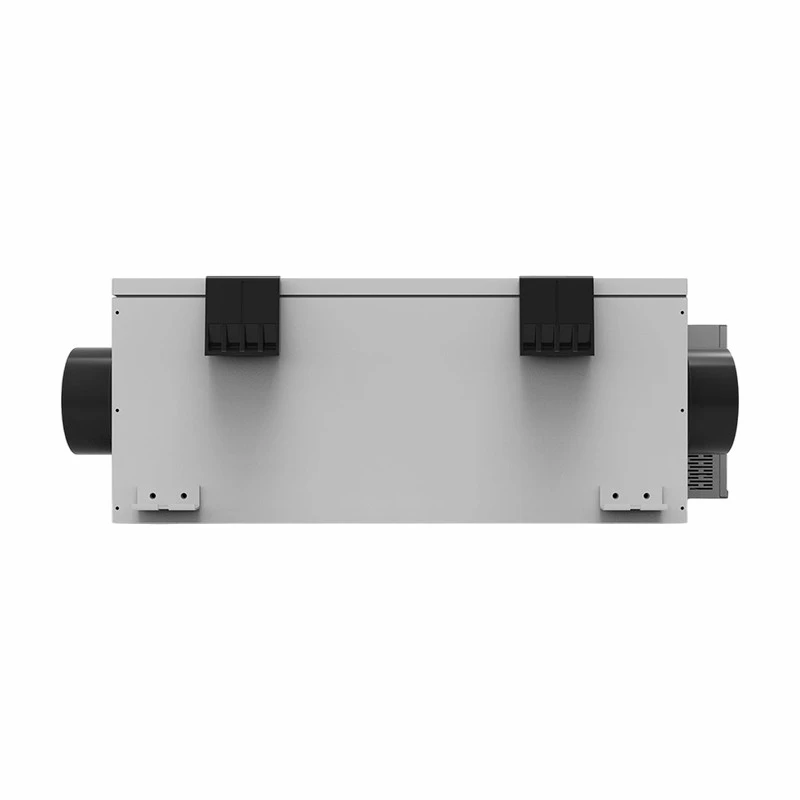
We also offer related products like the Home Energy Recovery Ventilator and Home Fresh Air Exchanger that can enhance the overall environment of your space.
If you're interested in purchasing our ceiling foaming machines or have any questions about foam hardness adjustment, don't hesitate to contact us for a procurement discussion. We're looking forward to working with you!
References
- "Foam Technology Handbook" by John W. Rose
- Manufacturer's manuals of ceiling foaming machines and foam materials