

Can a rotary heat wheel be used in a greenhouse ventilation system? That's a question I've been getting a lot lately, and as a supplier of rotary heat wheels, I'm more than happy to dive into it.
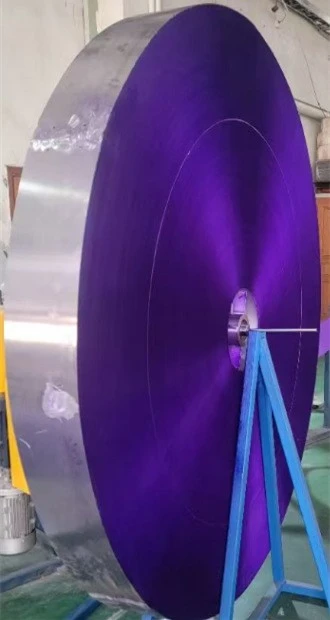
First off, let's talk about what a rotary heat wheel is. It's a nifty piece of equipment that transfers heat between two air streams. It rotates slowly, picking up heat from one air stream and releasing it into another. This process is super efficient, helping to save energy and maintain a stable temperature.

Now, let's consider the greenhouse environment. Greenhouses are all about creating the perfect conditions for plants to grow. They need the right temperature, humidity, and air quality. Ventilation plays a crucial role in achieving this balance. A good ventilation system can remove excess heat, humidity, and carbon dioxide, while bringing in fresh air.
So, can a rotary heat wheel fit into this picture? The answer is a resounding yes! One of the main benefits of using a rotary heat wheel in a greenhouse ventilation system is energy efficiency. Greenhouses often need to heat or cool the air, depending on the outside temperature and the needs of the plants. By using a rotary heat wheel, you can recover a significant amount of the heat that would otherwise be lost during the ventilation process. This means you can reduce your energy consumption and save on heating and cooling costs.
For example, in the winter, when it's cold outside, the warm, moist air inside the greenhouse is usually vented out. With a rotary heat wheel, the heat from this outgoing air can be transferred to the incoming fresh air. This pre - heats the incoming air, reducing the amount of energy needed to heat it up to the desired temperature inside the greenhouse.
In the summer, the opposite can happen. The hot outside air can be cooled as it passes through the rotary heat wheel, which has absorbed the cooler temperature from the outgoing air inside the greenhouse. This helps to keep the greenhouse at a more comfortable temperature for the plants without over - relying on air - conditioning systems.
Another advantage is humidity control. Greenhouses can get quite humid, especially when plants are transpiring. Excess humidity can lead to problems like mold and mildew growth, which can harm the plants. A rotary heat wheel can help manage humidity levels. As the air passes through the wheel, moisture can be transferred along with the heat. This can help to balance the humidity in the greenhouse, creating a healthier environment for the plants.
Now, let's talk about the different types of rotary heat wheels that could be suitable for greenhouse ventilation. One option is the Aluminum Rotary Heat Wheel. Aluminum is a lightweight and durable material. It has good heat transfer properties, which makes it ideal for recovering heat in a ventilation system. The aluminum rotary heat wheel is also resistant to corrosion, which is important in a greenhouse environment where there may be moisture and potentially some chemicals in the air.
The Marine Rotary Heat Wheel might also be a good choice. Although it's designed for marine applications, it has features that can be beneficial in a greenhouse. Marine rotary heat wheels are built to withstand harsh conditions, including high humidity and salt - laden air. In a greenhouse, where humidity can be high and there may be some fertilizers or pesticides in the air, the durability of a marine rotary heat wheel can be an asset.
The Sensible Rotary Heat Wheel is another option. This type of heat wheel mainly transfers sensible heat (the heat that causes a change in temperature). It's a simple and effective solution for basic heat recovery in a greenhouse ventilation system. It can be a cost - effective choice for smaller greenhouses or those with more straightforward ventilation requirements.
However, there are also some considerations when using a rotary heat wheel in a greenhouse. One is the initial cost. Buying and installing a rotary heat wheel can be a significant investment. But when you consider the long - term energy savings, it can often pay for itself over time.
Maintenance is also important. The heat wheel needs to be cleaned regularly to ensure optimal performance. Dust, pollen, and other particles from the greenhouse air can accumulate on the wheel, reducing its efficiency. You'll also need to check the bearings and other moving parts to make sure they're in good working condition.
The size of the rotary heat wheel is crucial. It needs to be properly sized for the greenhouse. If it's too small, it won't be able to recover enough heat or control the humidity effectively. If it's too large, it can be more expensive and may not operate as efficiently.
In conclusion, a rotary heat wheel can be a great addition to a greenhouse ventilation system. It offers energy savings, humidity control, and can help create a more stable environment for the plants. If you're a greenhouse owner or manager, I highly recommend considering a rotary heat wheel for your ventilation needs.
If you're interested in learning more about our rotary heat wheels or are thinking about purchasing one for your greenhouse, don't hesitate to reach out. We're here to answer any questions you might have and help you find the best solution for your specific situation.
References
ASHRAE Handbook of Fundamentals. This handbook provides a wealth of information on heating, ventilation, and air - conditioning systems, including the principles behind rotary heat wheels.
Greenhouse Management Magazine. Articles in this magazine often cover the latest technologies and best practices for greenhouse operations, including ventilation systems.