

When it comes to the installation of a galvanized silencer, understanding the space requirements is crucial for ensuring its optimal performance. As a trusted Galvanized Silencer supplier, I've encountered numerous inquiries regarding this topic. In this blog, I'll delve into the key aspects of the installation space requirement for a galvanized silencer, providing you with valuable insights to make informed decisions.
Importance of Adequate Installation Space
Before we explore the specific space requirements, it's essential to understand why having sufficient space is so important. A galvanized silencer is designed to reduce noise levels in ventilation systems by absorbing and dissipating sound energy. If it's installed in a cramped space, the airflow around the silencer can be restricted, which not only affects its noise - reduction capabilities but also may lead to increased pressure drop in the system. This, in turn, can cause the ventilation system to work less efficiently, potentially increasing energy consumption and reducing the overall lifespan of the equipment.
General Space Considerations
Front and Rear Clearance
One of the primary factors in the installation space requirement is the front and rear clearance of the galvanized silencer. In general, it's recommended to have at least 1 - 2 times the diameter of the silencer's inlet or outlet as clearance in the front and rear. This allows for smooth airflow into and out of the silencer. For example, if the diameter of the silencer's inlet is 300mm, you should aim for a front and rear clearance of 300 - 600mm. This clearance helps to prevent turbulence and ensures that the sound waves can enter and exit the silencer without significant interference, maximizing its noise - reduction effectiveness.
Side Clearance
In addition to the front and rear clearance, side clearance is also important. A side clearance of at least 0.5 - 1 times the diameter of the silencer is advisable. This space is necessary to allow for proper air circulation around the silencer. It helps to dissipate heat generated during the operation of the ventilation system and also provides enough room for maintenance and inspection. If there isn't enough side clearance, it can be difficult to access the silencer for cleaning or repair, and it may also cause overheating issues.
Installation in Different Settings
Indoor Installation
When installing a galvanized silencer indoors, you need to consider the available space within the building. In some cases, the space may be limited, especially in older buildings or those with complex layouts. In such situations, it's important to carefully plan the installation to make the most of the available space. You may need to use flexible ductwork to route the airflow around obstacles and ensure that the required clearances are maintained.
It's also important to note that indoor installations may require additional considerations for fire safety and building codes. Make sure that the installation complies with all relevant regulations. For example, the silencer should be installed at a safe distance from flammable materials and electrical equipment.
Outdoor Installation
Outdoor installations of galvanized silencers have their own set of space requirements. In addition to the front, rear, and side clearances, you need to consider the protection of the silencer from the elements. The silencer should be installed in a location where it's not likely to be flooded or exposed to excessive wind and rain. A shelter or enclosure can be used to protect the silencer, but it should be designed in such a way that it doesn't restrict the airflow.
When installing outdoors, you also need to ensure that there is enough space for the connection of the ductwork to other components of the ventilation system, such as the Outdoor Stainless Steel Air Vent. This connection should be made in a way that minimizes air leakage and maintains the integrity of the system.
Space Requirements for Different Types of Galvanized Silencers
Rectangular Galvanized Silencers
Rectangular galvanized silencers are commonly used in ventilation systems. For these silencers, the space requirements are similar to those of circular silencers, but the dimensions are based on the length, width, and height of the rectangular body. The front and rear clearance should be based on the larger of the two cross - sectional dimensions (width or height), and the side clearance should be sufficient to allow for proper air circulation around the sides.
Circular Galvanized Silencers
Circular galvanized silencers are often used in applications where a more compact design is required. The space requirements for circular silencers are typically based on the diameter of the silencer. As mentioned earlier, the front, rear, and side clearances are determined by multiples of the diameter to ensure smooth airflow and effective noise reduction.
Impact of Installation Space on Performance
The installation space has a direct impact on the performance of the galvanized silencer. Insufficient space can lead to a decrease in the silencer's noise - reduction efficiency. When the airflow is restricted, the sound waves may not be able to travel through the silencer properly, resulting in less effective sound absorption.
Moreover, improper installation space can also increase the pressure drop in the ventilation system. A higher pressure drop means that the fan has to work harder to move the air through the system, which leads to increased energy consumption. In the long run, this can significantly increase the operating costs of the ventilation system.
Installation Process and Space Utilization
During the installation process, it's important to follow the manufacturer's instructions carefully. The installation team should measure the available space accurately and plan the layout of the silencer and the ductwork accordingly. Install The Bracket is an important step in the installation process, and the brackets should be installed in a way that doesn't interfere with the required clearances.

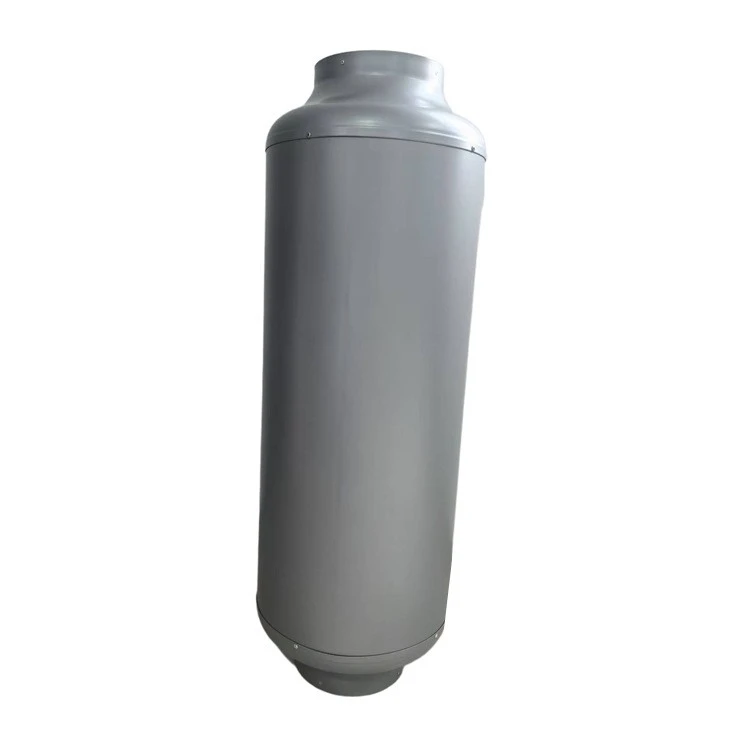
Proper space utilization also involves considering the future expansion or modification of the ventilation system. Leave some extra space around the silencer to accommodate any potential changes in the system, such as the addition of new ducts or components.
Conclusion
In conclusion, the installation space requirement for a galvanized silencer is a critical factor that affects its performance, efficiency, and longevity. As a Galvanized Silencer supplier, I highly recommend that you carefully assess the available space before installation and ensure that all the recommended clearances are maintained. Whether it's an indoor or outdoor installation, proper planning and execution are essential.
If you're in the market for a high - quality Galvanized Silencer, we're here to provide you with the best products and professional advice. Our team of experts can help you determine the most suitable silencer for your specific needs and guide you through the installation process. Contact us to start a procurement discussion and take the first step towards a quieter and more efficient ventilation system.
References
- ASHRAE Handbook - HVAC Systems and Equipment.
- Manufacturer's installation guides for galvanized silencers.