

What are the installation complexity levels of a winded rotary heat wheel?
As a provider of Winded Rotary Heat Wheels, I've witnessed firsthand the diverse experiences customers have during the installation process. The installation complexity of a winded rotary heat wheel can vary significantly based on several factors, which I'll explore in detail below.
1. System Size and Capacity
The size and capacity of the winded rotary heat wheel are primary determinants of installation complexity. Small - scale heat wheels, typically used in residential or small commercial applications, are relatively straightforward to install. These units are often pre - assembled at the factory and can be easily transported to the installation site. They usually fit into standard ductwork systems without major modifications.
For instance, a small - sized winded rotary heat wheel with a low air - handling capacity can be installed by a single technician within a day. The installation mainly involves mounting the unit onto a pre - prepared frame, connecting the ductwork, and wiring the control system.
On the other hand, large - scale winded rotary heat wheels designed for industrial or large commercial buildings are much more complex to install. These units are often custom - built to meet specific requirements and can be quite heavy and bulky. Transporting them to the installation site may require special equipment such as cranes and flatbed trucks.
The installation of a large - scale heat wheel may take several days or even weeks. It involves precise alignment to ensure proper airflow and heat transfer. The ductwork may need to be custom - fabricated to fit the large dimensions of the heat wheel, and the electrical connections are more complex due to the higher power requirements.
2. Existing Infrastructure
The state of the existing infrastructure in the building where the winded rotary heat wheel is to be installed also plays a crucial role in determining the installation complexity.
In a new construction project, the installation is generally less complex. The building design can be planned in advance to accommodate the heat wheel. There is more flexibility in terms of ductwork routing and equipment placement. The contractors can work in a clean and organized environment, and the necessary electrical and mechanical connections can be integrated into the overall building systems during the construction phase.
However, in a retrofit situation, the installation becomes much more challenging. Existing buildings may have limited space, and the ductwork may not be easily adaptable to the new heat wheel. There could be structural obstacles such as beams and columns that need to be worked around. Additionally, the electrical systems may need to be upgraded to handle the power requirements of the heat wheel.
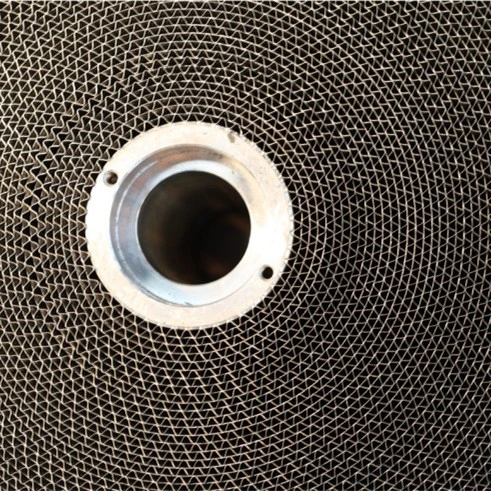
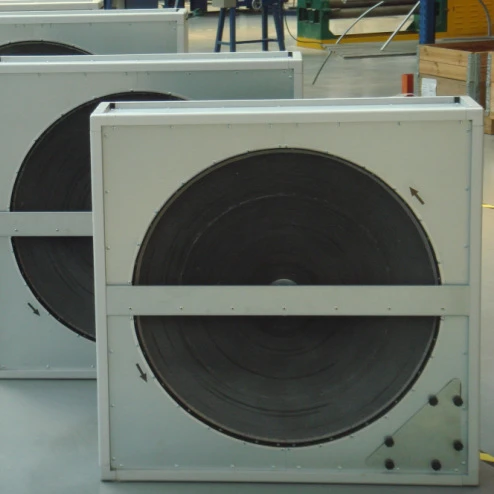
For example, if an old commercial building is being retrofitted with a winded rotary heat wheel, the technicians may need to cut through existing walls and floors to install the ductwork. They may also have to deal with outdated electrical wiring, which could pose safety risks and require extensive rewiring.
3. Integration with Other Systems
A winded rotary heat wheel is often part of a larger HVAC (Heating, Ventilation, and Air Conditioning) system. Its integration with other components such as fans, filters, and control systems can add to the installation complexity.
If the heat wheel is to be integrated with a new HVAC system that is designed from scratch, the installation can be more streamlined. The different components can be selected and designed to work together seamlessly. The control systems can be programmed to coordinate the operation of the heat wheel with other parts of the HVAC system, ensuring optimal performance.
However, when integrating the heat wheel into an existing HVAC system, compatibility issues may arise. The existing fans may not be able to provide the required airflow for the heat wheel, or the control systems may not be able to communicate effectively with the new heat wheel. This may require additional modifications to the existing systems, such as upgrading the fans or reprogramming the control software.
For example, if a winded rotary heat wheel is being added to an existing HVAC system that uses an outdated control protocol, the technicians may need to install a communication gateway to enable the heat wheel to interface with the existing control system.
4. Technical Expertise Required
The installation of a winded rotary heat wheel requires a certain level of technical expertise. Different levels of complexity demand different skill sets from the installation team.
For simple installations, a technician with basic HVAC knowledge and experience can handle the job. They need to be familiar with ductwork installation, electrical wiring, and basic equipment mounting techniques.
However, for more complex installations, a team of specialized technicians may be required. These technicians need to have in - depth knowledge of heat transfer principles, advanced HVAC system design, and the specific features of the winded rotary heat wheel. They should be able to troubleshoot any issues that arise during the installation process and ensure that the heat wheel is installed correctly and operates efficiently.
For instance, in the installation of a large - scale, custom - built winded rotary heat wheel with advanced control features, the technicians may need to have experience in programming PLC (Programmable Logic Controller) systems and performing detailed system commissioning.
5. Safety Considerations
Safety is a major concern during the installation of a winded rotary heat wheel, and the complexity of ensuring safety can vary.
In a simple installation, the safety requirements are relatively straightforward. The technicians need to follow basic safety procedures such as wearing appropriate personal protective equipment (PPE), using safe lifting techniques, and ensuring proper electrical grounding.
In more complex installations, additional safety measures are required. For example, when installing a large heat wheel in a high - rise building, the technicians may need to use scaffolding or elevated work platforms, which require strict safety protocols. The handling of heavy and bulky equipment also poses a higher risk of accidents, so specialized lifting equipment and trained operators are necessary.
Conclusion
The installation complexity of a winded rotary heat wheel can range from relatively simple to highly complex, depending on factors such as system size, existing infrastructure, integration with other systems, technical expertise required, and safety considerations.
As a supplier of Winded Rotary Heat Wheels, we understand the challenges associated with installation. We offer a range of support services, including technical consultations, installation guides, and on - site training to ensure a smooth installation process for our customers.
If you are considering purchasing a winded rotary heat wheel, we encourage you to contact us for more information. Our team of experts can help you assess the installation complexity for your specific application and provide you with a customized solution. Whether you need a 3A Molecular Sieve Rotary Heat Wheel or an Enthalpy Rotary Heat Wheel, we have the products and expertise to meet your needs. Let's start a conversation about how we can work together to achieve your energy - efficient HVAC goals.
References
- ASHRAE Handbook of HVAC Systems and Equipment.
- Manufacturers' installation manuals for winded rotary heat wheels.
- Industry standards for HVAC system installation and safety.