

Hey there! As a supplier of Marine Rotary Heat Wheels, I've been getting a lot of questions lately about how these nifty devices affect a ship's stability during operation. So, I thought I'd take some time to break it down for you all.
First off, let's talk a bit about what a Marine Rotary Heat Wheel is. It's a key component in a ship's HVAC system, helping to recover heat from the exhaust air and transfer it to the incoming fresh air. This not only saves energy but also helps to maintain a comfortable environment on board. There are different types of Marine Rotary Heat Wheels out there, like the Sectorized Rotary Heat Wheel, Winded Rotary Heat Wheel, and 3A Molecular Sieve Rotary Heat Wheel. Each type has its own unique features and benefits, but they all serve the same basic purpose.
Now, let's get to the main question: how does a Marine Rotary Heat Wheel affect a ship's stability? Well, it all comes down to a few factors, including weight distribution, center of gravity, and dynamic forces.
Weight Distribution
One of the most obvious ways a Marine Rotary Heat Wheel can affect a ship's stability is through its weight. These heat wheels can be pretty heavy, especially the larger ones. When you install a heat wheel on a ship, you're adding extra weight to a specific location. If this weight isn't distributed evenly across the ship, it can cause the ship to become unbalanced.
For example, if you install a heavy heat wheel on one side of the ship or towards the top of the ship, it can shift the center of gravity. This can make the ship more prone to rolling or pitching, especially in rough seas. To avoid this, it's important to carefully consider the weight and placement of the heat wheel during the installation process. You might need to make adjustments to other components on the ship to balance out the extra weight.
Center of Gravity
The center of gravity is a crucial concept when it comes to ship stability. It's the point where the entire weight of the ship can be considered to act. When you add a Marine Rotary Heat Wheel to a ship, you're changing the ship's center of gravity. If the heat wheel is installed in a way that raises the center of gravity, the ship becomes less stable.
A higher center of gravity means that the ship is more likely to tip over or roll in response to external forces, like waves or wind. On the other hand, if the heat wheel is installed in a way that lowers the center of gravity, the ship becomes more stable. So, it's important to work with a professional who understands the principles of ship stability to ensure that the heat wheel is installed in the right place.

Dynamic Forces
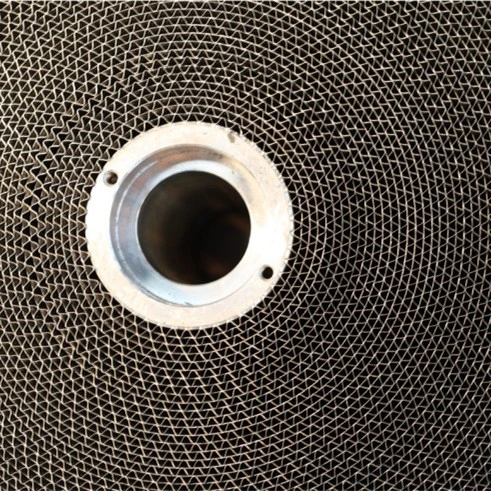
In addition to the static effects of weight and center of gravity, a Marine Rotary Heat Wheel can also create dynamic forces during operation. These forces are caused by the rotation of the heat wheel. When the heat wheel spins, it creates a centrifugal force. This force can cause vibrations and oscillations in the ship's structure.
If these vibrations aren't properly managed, they can affect the ship's stability. For example, excessive vibrations can cause the ship to lose its balance or even damage the ship's hull. To minimize the impact of these dynamic forces, it's important to choose a heat wheel with a smooth and balanced rotation. You might also need to install vibration dampers or other anti-vibration devices to reduce the vibrations.
Mitigating the Effects
So, how can you mitigate the effects of a Marine Rotary Heat Wheel on a ship's stability? Here are a few tips:
- Proper Installation: As I mentioned earlier, proper installation is key. Make sure to work with a professional who has experience in shipbuilding and HVAC systems. They can help you choose the right location for the heat wheel and ensure that it's installed correctly.
- Weight Management: Consider the weight of the heat wheel and how it will affect the ship's overall weight distribution. You might need to make adjustments to other components on the ship to balance out the extra weight.
- Dynamic Force Control: Choose a heat wheel with a smooth and balanced rotation to minimize the dynamic forces. Install vibration dampers or other anti-vibration devices to reduce the vibrations.
- Regular Maintenance: Regular maintenance is important to ensure that the heat wheel is operating properly. This includes checking for any signs of wear and tear, lubricating the moving parts, and balancing the heat wheel if necessary.
Conclusion
In conclusion, a Marine Rotary Heat Wheel can have a significant impact on a ship's stability during operation. However, by understanding the factors involved and taking the necessary precautions, you can minimize these effects and ensure that your ship remains stable and safe.
If you're in the market for a Marine Rotary Heat Wheel, I'd love to chat with you. We offer a wide range of high-quality heat wheels that are designed to meet the specific needs of the marine industry. Whether you're looking for a Sectorized Rotary Heat Wheel, Winded Rotary Heat Wheel, or 3A Molecular Sieve Rotary Heat Wheel, we've got you covered. Just reach out to us, and we'll be happy to discuss your requirements and provide you with a customized solution.
References
- Smith, J. (2020). Marine HVAC Systems: Principles and Practices. Maritime Press.
- Johnson, R. (2019). Ship Stability: An Introduction. Naval Institute Press.
- Brown, A. (2018). Rotary Heat Exchangers: Design and Applications. Engineering Publications.