

Hey there! As a supplier of Fresh Air Heat Exchangers, I often get asked a bunch of questions. One that pops up quite a bit is, "Do Fresh Air Heat Exchangers require electricity to operate?" Well, let's dig into this topic and find out.
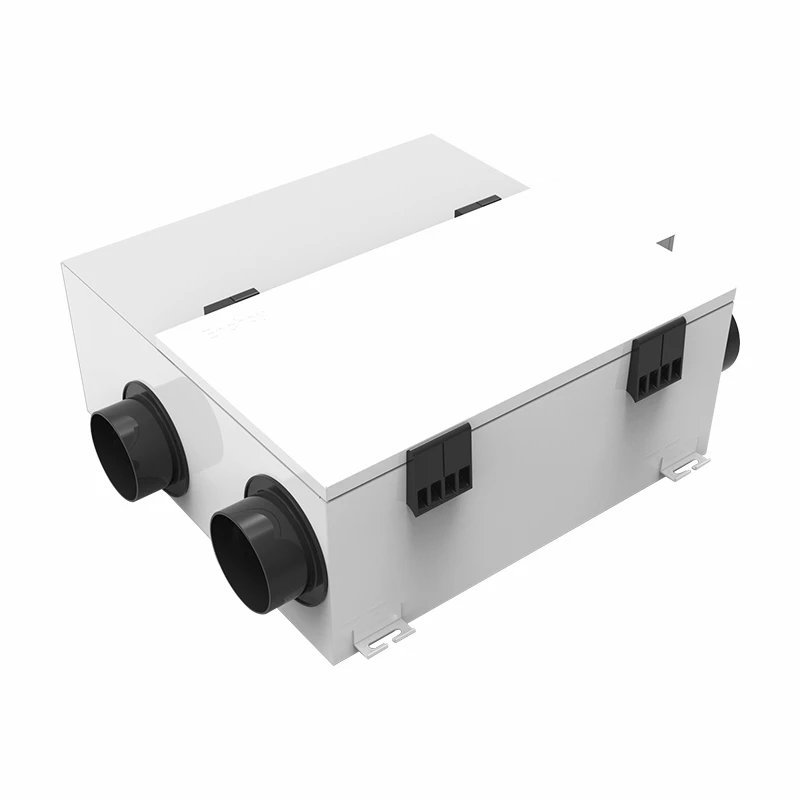
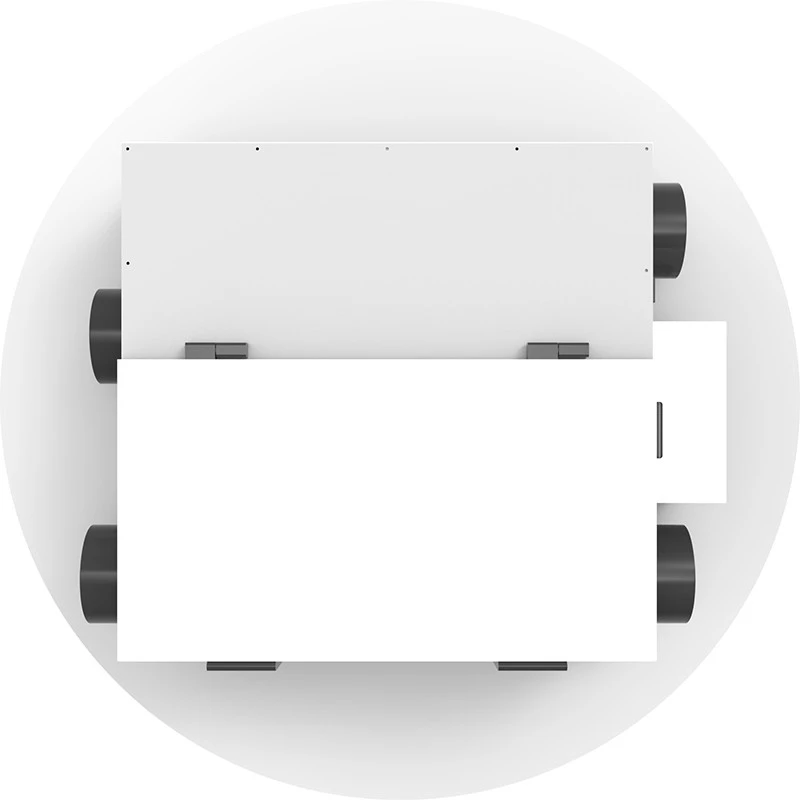
First off, let's understand what a Fresh Air Heat Exchanger is. A Fresh Air Heat Exchanger is a device that helps to exchange the stale indoor air with fresh outdoor air while recovering heat in the process. It's a pretty nifty piece of equipment that can make your indoor environment more comfortable and energy - efficient.
Now, to answer the big question: yes, most Fresh Air Heat Exchangers do require electricity to operate. There are a few key components within these exchangers that rely on electrical power.
One of the main electrical components is the fan. Fans are crucial in a Fresh Air Heat Exchanger because they are responsible for moving the air. You've got the supply fan, which brings in the fresh outdoor air, and the exhaust fan, which pushes out the stale indoor air. Without electricity, these fans wouldn't be able to spin, and the whole air - exchange process would come to a halt.
Another part that often needs electricity is the control system. The control system in a Fresh Air Heat Exchanger allows you to set the temperature, adjust the fan speed, and monitor the performance of the unit. It's like the brain of the exchanger, and it needs power to function properly.
However, the amount of electricity required isn't as high as you might think. Fresh Air Heat Exchangers are designed to be energy - efficient. They use relatively low - wattage fans and smart control systems that optimize energy consumption. For example, some modern exchangers have variable - speed fans. These fans can adjust their speed based on the actual air - exchange needs. So, if you don't need a high volume of air exchange, the fans will run at a lower speed, using less electricity.
Let's talk about the benefits of having an electrically - powered Fresh Air Heat Exchanger. First of all, it gives you better control. You can easily set the temperature and air - flow rate according to your preferences. This means you can create a more comfortable indoor environment all year round.
Secondly, it helps with energy savings in the long run. By recovering heat from the exhaust air and transferring it to the incoming fresh air, the exchanger reduces the load on your heating or cooling system. This means your HVAC system doesn't have to work as hard, and you end up saving on your energy bills.
There are also some advanced features that are only possible with an electrically - powered exchanger. For instance, some units can be connected to your home automation system. You can control the exchanger using your smartphone or other smart devices. This kind of convenience is really hard to beat.
Now, you might be wondering if there are any non - electric alternatives. Well, there are some passive heat exchangers out there. These rely on natural convection to move the air. But they have some limitations. Passive heat exchangers usually have a lower air - exchange rate compared to their electric counterparts. They also don't offer the same level of control. You can't adjust the temperature or fan speed because there are no fans or control systems.
If you're looking for a residential option, you might be interested in the Home Fresh Air Exchanger. It's designed specifically for homes and is a great way to improve the indoor air quality. It uses electricity, but as I mentioned earlier, it's very energy - efficient.
Another option is the Home Energy Recovery Ventilator. This is similar to a Fresh Air Heat Exchanger but focuses more on energy recovery. It also requires electricity to operate the fans and the control system, but it can save you a significant amount of money on your energy bills over time.
When it comes to choosing a Fresh Air Heat Exchanger, there are a few things to consider. The size of your space is important. You need to make sure the exchanger can handle the volume of air in your room or building. The efficiency rating is also crucial. Look for units with a high Coefficient of Performance (COP). A higher COP means the exchanger is more energy - efficient.
The installation process is another factor. Most Fresh Air Heat Exchangers need to be installed by a professional. They need to be properly connected to your ductwork and electrical system. But once they're installed, they'll provide you with years of reliable service.
In conclusion, while Fresh Air Heat Exchangers do require electricity to operate, the benefits far outweigh the cost. They offer better control, energy savings, and advanced features that make your indoor environment more comfortable and healthy. If you're in the market for a Fresh Air Heat Exchanger, don't let the electricity requirement scare you off. It's a small price to pay for all the advantages these units bring.
If you're interested in learning more about our Fresh Air Heat Exchangers or are thinking about making a purchase, feel free to reach out. We're here to answer any questions you might have and help you find the perfect unit for your needs. Whether it's for a small home or a large commercial building, we've got the right solution for you. Let's start a conversation and see how we can improve your indoor air quality and energy efficiency.
References
ASHRAE Handbook - HVAC Systems and Equipment. American Society of Heating, Refrigerating and Air - Conditioning Engineers.
Energy Star Guidelines for Residential Ventilation. U.S. Environmental Protection Agency.