

Can an in - line duct fan be used with rigid ductwork?
As a supplier of in - line duct fans, I often get asked whether an in - line duct fan can be used with rigid ductwork. The answer is a resounding yes, and in this blog post, I'll delve into the details of this combination, exploring its benefits, considerations, and best practices.
The Compatibility of In - line Duct Fans and Rigid Ductwork
In - line duct fans are designed to be installed within the ductwork system. They are used to boost airflow, increase ventilation, and improve air circulation in various settings, such as residential homes, commercial buildings, and industrial facilities. Rigid ductwork, on the other hand, is made of materials like sheet metal, fiberglass, or plastic and provides a sturdy and durable pathway for air to travel.
The combination of an in - line duct fan and rigid ductwork is highly compatible. In - line fans can be easily integrated into rigid ducts, whether they are round, rectangular, or square. The fan can be installed at different points along the duct, depending on the specific ventilation requirements. For example, it can be placed near the intake point to draw air into the system or near the exhaust point to push air out more efficiently.
Benefits of Using an In - line Duct Fan with Rigid Ductwork
- Improved Airflow: One of the primary benefits of using an in - line duct fan with rigid ductwork is the significant improvement in airflow. Rigid ducts offer less resistance to air movement compared to flexible ducts. When combined with an in - line fan, the fan can overcome any remaining minor resistance and ensure a steady and consistent flow of air throughout the duct system. This is particularly important in large buildings or areas with complex duct layouts, where natural airflow may be insufficient.
- Enhanced Ventilation: Proper ventilation is crucial for maintaining a healthy indoor environment. An in - line duct fan can help remove stale air, pollutants, and moisture from the space, replacing it with fresh outdoor air. Rigid ductwork ensures that the air is transported effectively from the source to the destination, minimizing the risk of air leakage and ensuring that the ventilation system operates at its maximum efficiency.
- Durability and Longevity: Rigid ductwork is known for its durability and long lifespan. It can withstand high temperatures, pressure, and mechanical stress without deforming or breaking. When paired with an in - line duct fan, which is also built to last, the entire ventilation system can provide reliable performance for many years. This reduces the need for frequent repairs and replacements, saving both time and money in the long run.
- Noise Reduction: In - line duct fans are designed to operate quietly, and when used with rigid ductwork, the noise levels can be further reduced. Rigid ducts act as a sound barrier, absorbing and dampening the noise generated by the fan. This is especially beneficial in residential and commercial settings where noise pollution can be a concern.
Considerations When Using an In - line Duct Fan with Rigid Ductwork
- Fan Sizing: Choosing the right size of in - line duct fan is crucial for optimal performance. The fan should be able to handle the volume of air required by the duct system. Factors such as the size of the duct, the length of the duct run, and the number of bends and fittings in the ductwork all need to be considered when sizing the fan. An undersized fan may not be able to provide sufficient airflow, while an oversized fan can lead to excessive noise and energy consumption.
- Installation: Proper installation is essential for the effective operation of the in - line duct fan and rigid ductwork. The fan should be installed in a location that allows for easy access for maintenance and servicing. It should also be securely mounted to the ductwork to prevent vibrations and noise. Additionally, the ductwork should be properly sealed to prevent air leakage, which can reduce the efficiency of the ventilation system.
- Maintenance: Regular maintenance is necessary to keep the in - line duct fan and rigid ductwork in good working condition. The fan should be cleaned periodically to remove dust and debris that can accumulate on the blades and reduce its performance. The ductwork should also be inspected for any signs of damage or blockage, and any issues should be addressed promptly.
Best Practices for Using an In - line Duct Fan with Rigid Ductwork
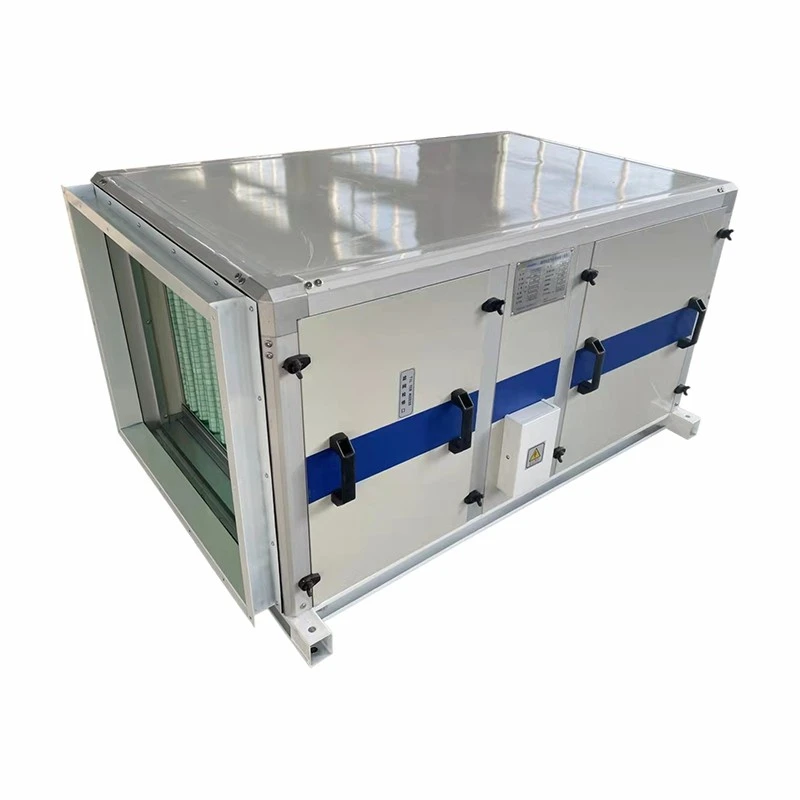
- Select the Right Fan Type: There are different types of in - line duct fans available, each with its own features and applications. For example, Centrifugal Cabinet Fan are suitable for applications where high pressure and low airflow are required, while Rectangular Fan are often used in commercial and industrial settings due to their large capacity. Consider the specific requirements of your ventilation system when selecting the fan type.
- Optimize Duct Design: The design of the rigid ductwork can have a significant impact on the performance of the in - line duct fan. Minimize the number of bends and fittings in the ductwork to reduce air resistance. Use smooth - walled ducts to further improve airflow. Additionally, ensure that the ductwork is properly sized to match the capacity of the fan.
- Use Accessories: There are various accessories available that can enhance the performance of the in - line duct fan and rigid ductwork. For example, Space - Saving Duct Fan are ideal for applications where space is limited. Other accessories, such as dampers and filters, can also be used to control airflow and improve air quality.
Conclusion
In conclusion, an in - line duct fan can be effectively used with rigid ductwork to improve airflow, enhance ventilation, and provide a durable and reliable ventilation solution. By considering the factors mentioned above and following the best practices, you can ensure that your ventilation system operates at its maximum efficiency.
If you are interested in purchasing an in - line duct fan for your rigid ductwork system, I encourage you to contact us for more information. Our team of experts can help you select the right fan for your specific needs and provide professional installation and maintenance services. Let's work together to create a healthy and comfortable indoor environment.

References
- ASHRAE Handbook of Fundamentals. American Society of Heating, Refrigerating and Air - Conditioning Engineers.
- Duct Design and Installation Guidelines. HVAC industry standards publication.