

Hey there! As a supplier of Sensible Rotary Heat Wheels, I've been getting a lot of questions lately about whether these nifty devices can be used in swimming pool ventilation systems. So, I thought I'd dive right in and share my thoughts on this topic.
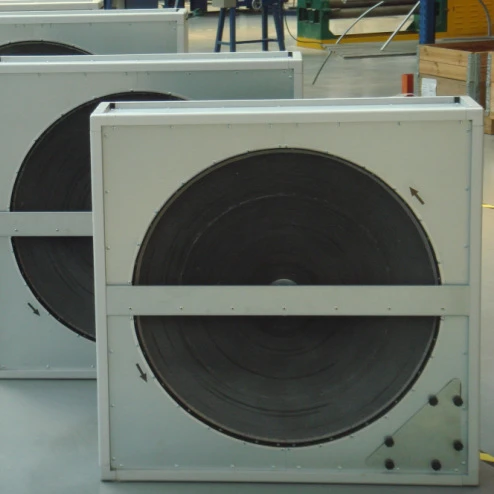

First off, let's talk about what a Sensible Rotary Heat Wheel is. It's a heat exchanger that transfers heat between two air streams. The wheel rotates slowly, picking up heat from one air stream and releasing it into the other. This process helps to recover heat that would otherwise be lost, which can lead to significant energy savings.
Now, let's consider the unique requirements of a swimming pool ventilation system. Swimming pools generate a lot of moisture, which can lead to high humidity levels in the air. If not properly managed, this humidity can cause a variety of problems, such as mold growth, corrosion, and discomfort for swimmers. A good ventilation system is essential for maintaining a healthy and comfortable environment in a swimming pool area.
So, can a Sensible Rotary Heat Wheel be used in a swimming pool ventilation system? The answer is yes! In fact, it can offer several benefits.
Energy Efficiency
One of the biggest advantages of using a Sensible Rotary Heat Wheel in a swimming pool ventilation system is energy efficiency. As I mentioned earlier, the heat wheel recovers heat from the exhaust air and transfers it to the incoming fresh air. This means that less energy is needed to heat the fresh air, which can result in lower energy bills.
For example, let's say you have a large indoor swimming pool. Without a heat wheel, the ventilation system would have to heat all of the incoming fresh air from the outside temperature to the desired indoor temperature. This can be a significant energy load, especially in cold climates. However, with a Sensible Rotary Heat Wheel, a large portion of the heat from the exhaust air is recovered and used to pre - heat the incoming fresh air. This reduces the amount of energy required to heat the fresh air, saving you money in the long run.
Humidity Control
Another important benefit of using a Sensible Rotary Heat Wheel in a swimming pool ventilation system is humidity control. The heat wheel helps to maintain a more stable humidity level in the pool area. By recovering heat from the exhaust air, it can prevent the incoming fresh air from being too cold and causing condensation.
Condensation is a major problem in swimming pool areas because it can lead to mold growth and other issues. A Sensible Rotary Heat Wheel can help to reduce the risk of condensation by pre - heating the incoming fresh air. This keeps the air temperature in the pool area more consistent and helps to prevent moisture from condensing on surfaces.
Air Quality
In addition to energy efficiency and humidity control, a Sensible Rotary Heat Wheel can also improve air quality in a swimming pool area. The heat wheel helps to filter out some of the contaminants in the exhaust air, such as dust and pollen. This means that the incoming fresh air is cleaner and healthier for swimmers.
There are different types of Sensible Rotary Heat Wheels available, each with its own features and benefits. For instance, the Sectorized Rotary Heat Wheel offers a more precise control of the heat transfer process. It has different sectors that can be adjusted to optimize the heat exchange based on the specific needs of the ventilation system.
The Winded Rotary Heat Wheel is known for its high efficiency and durability. It is designed with a unique winding structure that maximizes the surface area for heat transfer, resulting in better performance.
And if you have an industrial - scale swimming pool or a large - scale aquatic facility, the Industrial Rotary Heat Wheel might be the best choice. It is built to handle high - volume airflows and is suitable for more demanding applications.
However, there are also some considerations when using a Sensible Rotary Heat Wheel in a swimming pool ventilation system. One of the main challenges is the presence of chlorine and other chemicals in the pool water. These chemicals can be corrosive and may damage the heat wheel over time. To address this issue, it's important to choose a heat wheel that is made from materials that are resistant to corrosion, such as stainless steel or coated aluminum.
Another consideration is the maintenance of the heat wheel. Regular cleaning and inspection are necessary to ensure that the heat wheel is functioning properly. The accumulation of dirt and debris on the heat wheel can reduce its efficiency and may even cause it to malfunction.
In conclusion, a Sensible Rotary Heat Wheel can be a great addition to a swimming pool ventilation system. It offers energy efficiency, humidity control, and improved air quality. With the right type of heat wheel and proper maintenance, it can help you create a more comfortable and sustainable environment for your swimming pool.
If you're interested in learning more about how a Sensible Rotary Heat Wheel can work for your swimming pool ventilation system, or if you're looking to make a purchase, don't hesitate to reach out. We're here to help you find the best solution for your specific needs.
References
- ASHRAE Handbook - HVAC Systems and Equipment. American Society of Heating, Refrigerating and Air - Conditioning Engineers, Inc.
- "Energy - Efficient Ventilation Systems for Swimming Pools" by Smith, J. (2018). Journal of Aquatic Facility Management.