

Can a heat recovery wheel be used in sports arenas?
Sports arenas are large - scale facilities that host a wide range of events, from high - energy basketball games to ice hockey matches. These venues have unique heating, ventilation, and air - conditioning (HVAC) requirements due to their large volume, high occupancy, and the diverse activities taking place within them. As a heat recovery wheel supplier, I am often asked whether our products can be effectively used in sports arenas. In this blog, I will explore the feasibility, benefits, and considerations of using heat recovery wheels in these large - scale sporting facilities.
The HVAC Challenges in Sports Arenas
Sports arenas face several HVAC challenges. First, they need to maintain a comfortable indoor environment for both athletes and spectators. During events, the arena can be filled with thousands of people, and the body heat generated can significantly increase the indoor temperature. At the same time, proper ventilation is crucial to remove odors, carbon dioxide, and other pollutants from the air.
Second, different sports require different temperature and humidity conditions. For example, ice hockey rinks need to maintain a cold temperature to keep the ice frozen, while basketball arenas may require a more moderate climate. These varying requirements make it difficult to design an efficient HVAC system.
Third, energy consumption is a major concern for sports arenas. Large - scale HVAC systems can consume a substantial amount of energy, leading to high operating costs. Therefore, finding energy - efficient solutions is essential for the long - term sustainability of these facilities.
How Heat Recovery Wheels Work
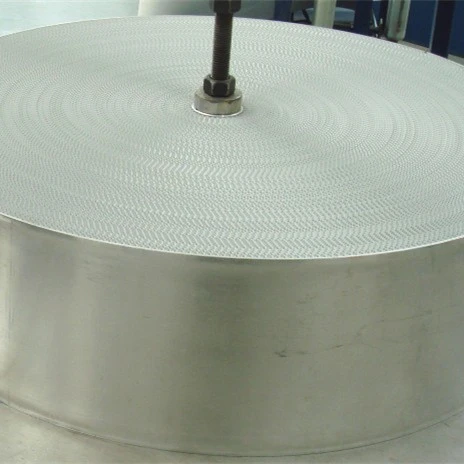
A heat recovery wheel is a rotating device that transfers heat and moisture between the exhaust air and the incoming fresh air in an HVAC system. It consists of a honeycomb - like matrix made of a heat - and moisture - absorbing material. As the wheel rotates, it passes through the exhaust air stream, where it absorbs heat and moisture. Then, as it rotates into the incoming fresh air stream, it releases the heat and moisture, pre - conditioning the fresh air.
There are different types of heat recovery wheels available on the market. The Commercial Heat Recovery Wheel is designed for general commercial applications and can be customized to meet the specific needs of sports arenas. The Sectorized Heat Recovery Wheel allows for more precise control of the heat and moisture transfer, which can be beneficial in environments with varying temperature and humidity requirements. The 3A Molecular Sieve Heat Recovery Wheel is particularly effective at removing moisture from the air, which can be useful in sports arenas where high humidity can cause discomfort and affect the performance of athletes.
Benefits of Using Heat Recovery Wheels in Sports Arenas
Energy Savings
One of the most significant benefits of using heat recovery wheels in sports arenas is energy savings. By pre - conditioning the incoming fresh air, the HVAC system does not have to work as hard to heat or cool the air to the desired temperature. This can result in a substantial reduction in energy consumption and lower operating costs. According to some studies, heat recovery wheels can save up to 50% of the energy required for ventilation in commercial buildings, and similar savings can be expected in sports arenas.
Improved Indoor Air Quality
Heat recovery wheels help to improve indoor air quality by providing a continuous supply of fresh air. The transfer of heat and moisture between the exhaust and incoming air streams also helps to maintain a more stable temperature and humidity level, which can reduce the growth of mold and bacteria. This is especially important in sports arenas, where large numbers of people are gathered in a relatively confined space.
Environmental Sustainability
Using heat recovery wheels in sports arenas is an environmentally friendly solution. By reducing energy consumption, these wheels help to lower greenhouse gas emissions. This is in line with the growing trend towards sustainable building practices in the sports industry, where many arenas are striving to achieve green building certifications.
Considerations for Using Heat Recovery Wheels in Sports Arenas
Size and Capacity
Sports arenas are large spaces, so the heat recovery wheel needs to be sized appropriately to handle the large volume of air. The capacity of the wheel should be based on the ventilation requirements of the arena, which depend on factors such as the number of occupants, the type of sport being played, and the size of the venue.

Maintenance
Like any HVAC component, heat recovery wheels require regular maintenance. The wheel needs to be cleaned periodically to remove dirt, dust, and other contaminants that can reduce its efficiency. Additionally, the drive mechanism and bearings need to be inspected and lubricated to ensure smooth operation.
Compatibility with Existing HVAC Systems
When installing a heat recovery wheel in a sports arena, it is important to ensure that it is compatible with the existing HVAC system. This may require some modifications to the ductwork and controls. A professional HVAC engineer should be consulted to ensure a proper installation.
Case Studies
There are several successful examples of heat recovery wheels being used in sports arenas. For instance, a large - scale basketball arena in a major city installed a commercial heat recovery wheel as part of its HVAC upgrade. The arena noticed a significant reduction in energy consumption, with monthly energy bills dropping by 30%. At the same time, the indoor air quality improved, and spectators reported feeling more comfortable during games.
Another ice hockey rink installed a sectorized heat recovery wheel to better control the temperature and humidity in different areas of the arena. This allowed the rink to maintain the optimal conditions for both the ice surface and the spectators, while also saving energy.
Conclusion
In conclusion, heat recovery wheels can be effectively used in sports arenas. They offer significant benefits in terms of energy savings, improved indoor air quality, and environmental sustainability. However, careful consideration needs to be given to factors such as size, maintenance, and compatibility with existing HVAC systems.
If you are a sports arena owner or manager looking to improve the efficiency of your HVAC system, I encourage you to consider using heat recovery wheels. As a heat recovery wheel supplier, we have the expertise and products to meet your specific needs. Contact us to discuss your requirements and explore how our heat recovery wheels can help your sports arena operate more efficiently and sustainably.
References
ASHRAE Handbook - HVAC Systems and Equipment. American Society of Heating, Refrigerating and Air - Conditioning Engineers.
"Energy - Efficient HVAC Strategies for Large - Scale Buildings." Journal of Building Engineering.