

As a supplier of heat recovery wheels, I often get asked about the feasibility of using these systems in schools. In this blog post, I'll explore the potential benefits and challenges of implementing heat recovery wheels in educational institutions.
The Need for Energy Efficiency in Schools
Schools are large buildings that consume a significant amount of energy for heating, ventilation, and air conditioning (HVAC). With rising energy costs and growing concerns about environmental sustainability, there is a pressing need to improve energy efficiency in these facilities. According to the U.S. Department of Energy, K - 12 schools spend approximately $8 billion on energy each year, and a substantial portion of this expenditure goes towards HVAC systems.
How Heat Recovery Wheels Work
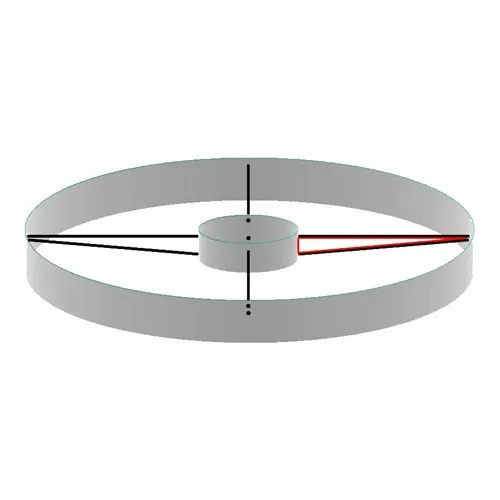
A heat recovery wheel, also known as a rotary heat exchanger, is a device that transfers heat between the exhaust air and the incoming fresh air in an HVAC system. It consists of a large wheel made of a heat - absorbing material, such as aluminum or paper impregnated with a desiccant. As the wheel rotates, it passes through the exhaust air stream, absorbing heat and moisture. Then, it moves into the incoming fresh air stream, releasing the heat and moisture.
There are different types of heat recovery wheels available in the market. For instance, the Winded Heat Recovery Wheel is designed with a unique winding structure that maximizes heat transfer efficiency. The Sectorized Heat Recovery Wheel divides the wheel into sectors, allowing for more precise control of heat and moisture transfer. And the Industrial Heat Recovery Wheel is built to withstand harsh industrial environments, but it can also be adapted for large - scale applications like schools.
Benefits of Using Heat Recovery Wheels in Schools
Energy Savings
One of the primary benefits of installing heat recovery wheels in schools is energy savings. By recovering heat from the exhaust air and using it to pre - heat the incoming fresh air, the HVAC system doesn't have to work as hard to maintain a comfortable indoor temperature. This can lead to significant reductions in energy consumption and lower utility bills. Studies have shown that heat recovery wheels can save up to 70% of the energy required for heating and cooling in some applications.
Improved Indoor Air Quality
Schools are filled with students and staff, and good indoor air quality is essential for their health and well - being. Heat recovery wheels allow for a continuous supply of fresh air while minimizing heat loss. The fresh air helps to remove pollutants, such as carbon dioxide, volatile organic compounds (VOCs), and odors, from the indoor environment. This can reduce the risk of respiratory problems, allergies, and other health issues among students and teachers.

Enhanced Comfort
Maintaining a consistent indoor temperature and humidity level is crucial for comfort in schools. Heat recovery wheels help to regulate these parameters by transferring heat and moisture between the exhaust and incoming air. This results in a more comfortable learning environment, which can improve student concentration and performance.
Environmental Sustainability
Using heat recovery wheels aligns with the growing trend towards environmental sustainability in schools. By reducing energy consumption, these systems help to lower greenhouse gas emissions. Schools can also use the implementation of energy - efficient technologies like heat recovery wheels as an educational tool to teach students about environmental responsibility.
Challenges of Using Heat Recovery Wheels in Schools
Initial Cost
The upfront cost of purchasing and installing a heat recovery wheel can be relatively high. Schools often have limited budgets, and the cost of the equipment, along with the installation and commissioning, may be a deterrent. However, it's important to consider the long - term savings in energy costs, which can offset the initial investment over time.
Maintenance Requirements
Heat recovery wheels require regular maintenance to ensure optimal performance. The wheel needs to be cleaned periodically to remove dust and debris, and the bearings and drive mechanisms need to be inspected and lubricated. Schools need to have a maintenance plan in place to ensure that the system operates efficiently.
Space Constraints
Schools may face space constraints when it comes to installing heat recovery wheels. These systems require a certain amount of space for the wheel itself, as well as for the ductwork and associated equipment. In some older schools with limited mechanical room space, finding a suitable location for the heat recovery wheel can be a challenge.
Case Studies
There are several successful examples of schools that have implemented heat recovery wheels. For example, a large public school in a cold climate installed a heat recovery wheel in its HVAC system. After the installation, the school reported a 30% reduction in heating costs during the winter months. The improved indoor air quality also led to a decrease in student absenteeism due to respiratory illnesses.
Another school in a temperate climate installed a sectorized heat recovery wheel. The system was able to maintain a comfortable indoor environment year - round, and the energy savings allowed the school to allocate more funds towards educational programs.
Considerations for Schools
Before deciding to install a heat recovery wheel, schools should conduct a thorough energy audit. This will help to determine the potential energy savings and the most suitable type of heat recovery wheel for the school's specific needs. It's also important to work with a reputable supplier and installer who has experience in working with educational institutions.
The supplier should be able to provide detailed information about the system's performance, energy savings calculations, and maintenance requirements. They should also offer training to the school's maintenance staff on how to operate and maintain the heat recovery wheel.
Conclusion
In conclusion, heat recovery wheels can be a viable option for schools. Despite the challenges, the benefits of energy savings, improved indoor air quality, enhanced comfort, and environmental sustainability make them an attractive choice. Schools need to carefully weigh the initial cost and maintenance requirements against the long - term benefits.
If you're a school administrator or facilities manager interested in learning more about how a heat recovery wheel can benefit your institution, I encourage you to contact us. We can provide you with detailed information about our products, conduct a free energy assessment, and discuss the best solutions for your specific needs. Let's work together to create a more energy - efficient and comfortable learning environment for students and staff.
References
- U.S. Department of Energy. (n.d.). Energy Use in Schools. Retrieved from [Department of Energy Website].
- ASHRAE. (2019). Handbook of HVAC Systems and Equipment. American Society of Heating, Refrigerating and Air - Conditioning Engineers.
- Case studies from various schools on energy efficiency projects.