

Hey there! As a supplier of Fresh Air Heat Exchangers, I often get asked if these nifty devices are Energy Star rated. So, let's dig into this topic and find out what's what.

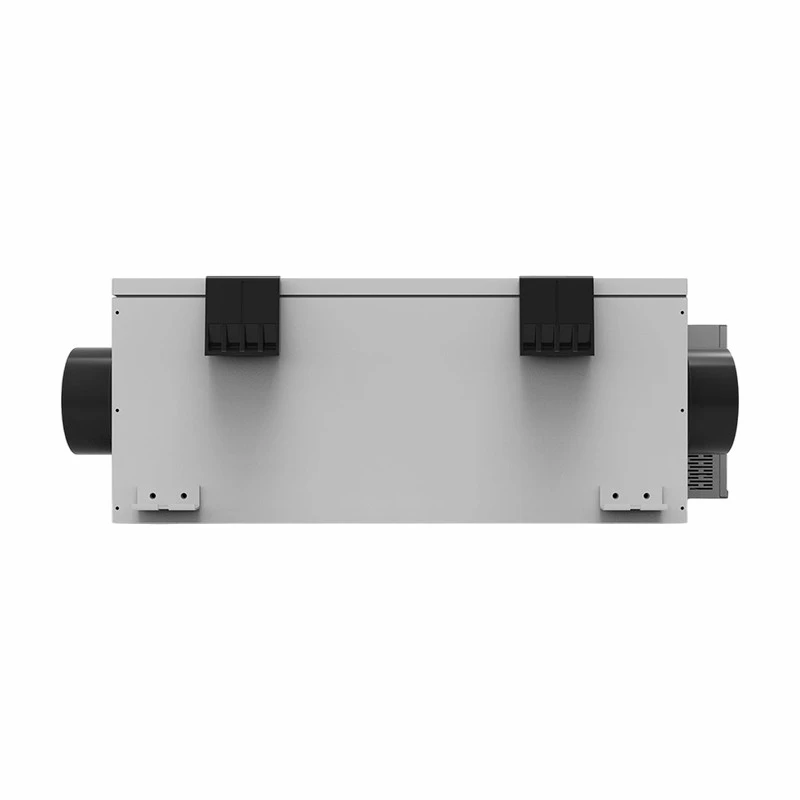
First off, what the heck is a Fresh Air Heat Exchanger? Well, it's a system that brings in fresh air from the outside and expels stale air from inside your home or building. At the same time, it recovers heat from the outgoing air and transfers it to the incoming fresh air. This helps to keep your indoor environment comfortable while also reducing the energy needed to heat or cool the incoming air.
Now, let's talk about the Energy Star rating. Energy Star is a government - backed program in the United States (and recognized in many other countries) that helps consumers and businesses save money and protect the environment through energy - efficient products and practices. Products with the Energy Star label meet strict energy - efficiency guidelines set by the Environmental Protection Agency (EPA).
So, are Fresh Air Heat Exchangers Energy Star rated? The answer is, it depends. Not all Fresh Air Heat Exchangers on the market have the Energy Star label. The EPA has specific criteria that a product must meet to earn this rating. These criteria typically involve things like the unit's energy efficiency ratio (EER), its ability to recover heat (heat recovery efficiency), and its overall performance.
Some of the factors that contribute to a Fresh Air Heat Exchanger getting an Energy Star rating include:
- High Heat Recovery Efficiency: A good heat exchanger should be able to transfer a significant amount of heat from the outgoing air to the incoming air. The higher the heat recovery efficiency, the less energy your heating or cooling system will need to use to condition the fresh air. For example, a unit with a heat recovery efficiency of 80% or more is more likely to meet the Energy Star standards.
- Low Energy Consumption: The unit itself should not consume a large amount of electricity to operate. This includes the fans that move the air through the exchanger and any other components. Energy - efficient motors and controls can help reduce the overall energy consumption of the system.
- Proper Sizing and Installation: A Fresh Air Heat Exchanger that is properly sized for the space it's serving and installed correctly will perform better and use less energy. If a unit is too small, it won't be able to provide enough fresh air or recover enough heat. If it's too large, it will waste energy.
As a supplier, I always recommend looking for a Fresh Air Heat Exchanger that has the Energy Star rating. Why? Well, there are several benefits.
- Energy Savings: An Energy Star - rated unit will use less energy than a non - rated one. This means lower energy bills for you in the long run. Over time, these savings can really add up.
- Environmental Benefits: By using less energy, you're reducing your carbon footprint. Energy - efficient products help to conserve natural resources and reduce greenhouse gas emissions.
- Quality Assurance: The Energy Star label is a sign of quality and performance. It means that the product has been tested and meets strict standards set by a reputable organization.
If you're in the market for a Fresh Air Heat Exchanger, here are some things to keep in mind.
- Check the Rating: Look for the Energy Star label on the product or on the manufacturer's website. If it's Energy Star rated, you can be more confident that you're getting an energy - efficient unit.
- Compare Models: Don't just go for the first unit you see. Compare different models from different manufacturers. Look at their features, performance, and price. You can also read reviews from other customers to get an idea of how well a particular unit works.
- Consider Installation: Even the most energy - efficient unit won't perform well if it's not installed correctly. Make sure you hire a qualified installer who has experience with Fresh Air Heat Exchangers.
At our company, we offer a range of Home Fresh Air Exchanger products, some of which are Energy Star rated. We understand the importance of energy efficiency and environmental sustainability, which is why we strive to provide our customers with the best - performing and most energy - efficient products on the market.
Our Home Energy Recovery Ventilator is another great option. It works on the same principle as a Fresh Air Heat Exchanger but is designed specifically for homes. It helps to improve indoor air quality while also saving energy.
And if you're looking for something a bit different, our Ceiling Foaming Machine can be a useful addition to your fresh air system. It can help to seal gaps and cracks in your ceiling, which can improve the overall energy efficiency of your home.
If you're interested in learning more about our Fresh Air Heat Exchangers or any of our other products, don't hesitate to reach out. We're here to answer your questions and help you find the right solution for your needs. Whether you're a homeowner looking to improve your indoor air quality or a business owner looking to reduce your energy costs, we've got you covered.
Contact us today to start the conversation about how our products can benefit you. We're excited to work with you and help you create a more comfortable and energy - efficient environment.
References
- Environmental Protection Agency. Energy Star Program Guidelines.
- Industry reports on Fresh Air Heat Exchanger technology and performance.