

In the realm of modern ventilation systems, a Fresh Air Speed Controller plays a pivotal role in ensuring optimal air quality and efficient operation. As a supplier of Fresh Air Speed Controllers, I've witnessed firsthand how these devices interact with other ventilation components to create a harmonious and effective ventilation environment. In this blog post, I'll delve into the intricate relationships between a Fresh Air Speed Controller and its counterparts in the ventilation system.
Interaction with Air Ducts
Air ducts are the arteries of a ventilation system, responsible for transporting fresh air from the outside to the interior spaces and expelling stale air. A Fresh Air Speed Controller works in tandem with air ducts to regulate the flow rate of air. By adjusting the speed of the fan within the controller, it can increase or decrease the volume of air passing through the ducts.
For instance, in a large commercial building, different areas may require varying amounts of fresh air. The Fresh Air Speed Controller can be programmed to adjust the airspeed according to the specific needs of each zone. If a particular area has a high occupancy rate, the controller can increase the airspeed to ensure an adequate supply of fresh air. Conversely, in less - occupied areas, the speed can be reduced to save energy.
Moreover, the design and size of the air ducts also impact the performance of the Fresh Air Speed Controller. If the ducts are too narrow, the controller may have to work harder to push the air through, leading to increased energy consumption and potential wear and tear. On the other hand, oversized ducts may result in inefficient air distribution. Therefore, proper duct sizing and installation are crucial for the optimal interaction between the controller and the ducts.
Collaboration with Air Filters
Air filters are essential components in a ventilation system as they remove dust, pollen, and other contaminants from the incoming air. A Fresh Air Speed Controller interacts closely with air filters to maintain a clean and healthy indoor environment.
As the air filter accumulates dirt and debris over time, its resistance to air flow increases. This can cause a decrease in the air volume passing through the system. The Fresh Air Speed Controller can detect this change in resistance and adjust the fan speed accordingly. For example, if the filter becomes clogged, the controller will increase the fan speed to compensate for the reduced air flow, ensuring that the same amount of fresh air is still being delivered to the indoor space.
However, it's important to note that continuously increasing the fan speed to overcome a clogged filter is not a sustainable solution. Regular filter replacement or cleaning is necessary to prevent excessive energy consumption and maintain the efficiency of the ventilation system. The Fresh Air Speed Controller can be integrated with a filter monitoring system to alert users when the filter needs attention.
Coordination with Exhaust Fans
Exhaust fans are responsible for removing stale air, moisture, and odors from the indoor environment. A Fresh Air Speed Controller works in coordination with exhaust fans to maintain a balanced air pressure within the building.
In a well - designed ventilation system, the Fresh Air Speed Controller ensures that the supply of fresh air is in sync with the extraction of stale air. If the exhaust fan is running at a high speed, the controller will increase the speed of the fresh air intake to prevent negative air pressure, which can lead to issues such as back - drafting of combustion appliances and the infiltration of outdoor pollutants.
Conversely, if the exhaust fan is operating at a low speed, the controller can reduce the fresh air intake speed to maintain a proper balance. This coordination between the Fresh Air Speed Controller and the exhaust fan is essential for creating a comfortable and healthy indoor environment.
Integration with Outside Wall Hood
The Outside Wall Hood serves as the entry point for fresh air into the building. It protects the ventilation system from rain, snow, and insects while allowing air to flow freely. A Fresh Air Speed Controller interacts with the outside wall hood to ensure efficient air intake.
The design of the outside wall hood can affect the air flow resistance. A well - designed hood will have minimal resistance, allowing the Fresh Air Speed Controller to operate more efficiently. The controller can adjust the fan speed based on the outdoor conditions, such as wind speed and direction, which can impact the performance of the outside wall hood.
For example, in high - wind conditions, the controller may need to increase the fan speed to overcome the additional resistance caused by the wind. Additionally, the outside wall hood should be properly installed and maintained to prevent blockages, which can disrupt the interaction between the controller and the hood.
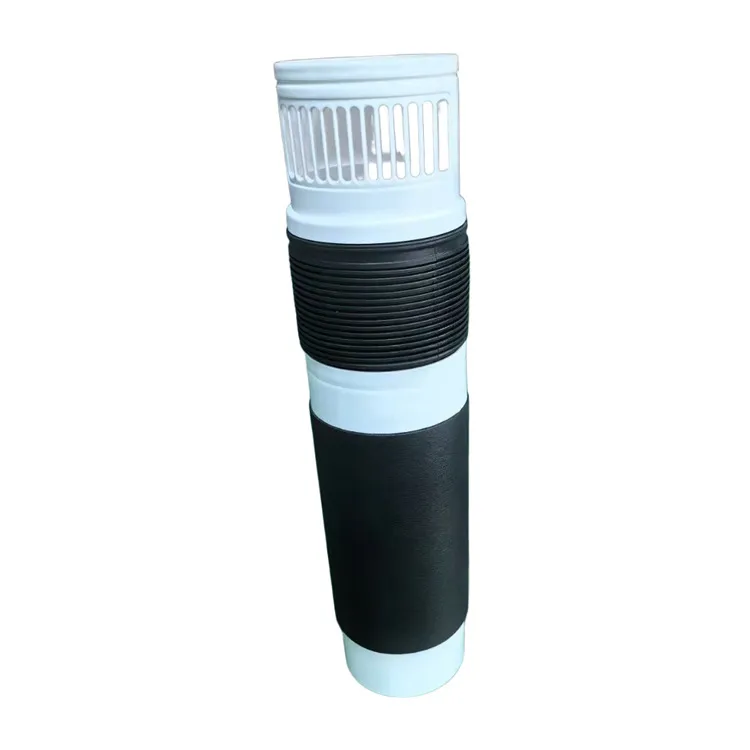

Connection with Install The Bracket
The Install The Bracket is used to mount the Fresh Air Speed Controller and other ventilation components securely. A proper installation of the bracket is crucial for the stability and performance of the controller.
If the bracket is not installed correctly, it can cause vibrations and noise, which can not only be annoying but also affect the accuracy of the controller's operation. The Fresh Air Speed Controller relies on a stable mounting to accurately measure and control the air flow. A loose or misaligned bracket can lead to inaccurate readings and inconsistent performance.
Moreover, the bracket should be able to support the weight of the controller and withstand the forces generated during operation. A strong and durable bracket ensures that the controller remains in place and functions properly, allowing it to interact effectively with other ventilation components.
Interaction with Outdoor Stainless Steel Air Vent
The Outdoor Stainless Steel Air Vent is another important component that works in conjunction with the Fresh Air Speed Controller. It provides a controlled opening for fresh air to enter the building.
The Fresh Air Speed Controller can adjust the air flow based on the size and design of the outdoor air vent. Different air vents have different air flow characteristics, and the controller needs to be calibrated accordingly. For example, a larger air vent may allow more air to enter, so the controller may need to adjust the fan speed to maintain the desired air volume.
The outdoor air vent also needs to be protected from the elements. A stainless - steel construction is ideal as it is resistant to corrosion and can withstand harsh weather conditions. The Fresh Air Speed Controller can work in harmony with the air vent to ensure a consistent supply of fresh air, regardless of the outdoor environment.
Conclusion
In conclusion, a Fresh Air Speed Controller is an integral part of a ventilation system, interacting with various components to ensure optimal air quality, energy efficiency, and comfort. From air ducts and filters to exhaust fans and outdoor accessories, each component plays a crucial role in the overall performance of the system.
As a supplier of Fresh Air Speed Controllers, I understand the importance of these interactions and am committed to providing high - quality products that can seamlessly integrate with other ventilation components. If you're in the market for a reliable Fresh Air Speed Controller or need more information about how it can work with your existing ventilation system, I encourage you to reach out for a procurement discussion. We can work together to design a ventilation solution that meets your specific needs and requirements.
References
- ASHRAE Handbook of HVAC Systems and Equipment
- Ventilation System Design Guide by Building Science Corporation
- Research papers on ventilation system optimization from academic journals in the field of HVAC engineering