

Do fresh air accessories need to be calibrated? That's a question I've been asked a bunch of times as a supplier of fresh air accessories. I've seen firsthand how these accessories play a crucial role in keeping indoor air fresh and clean. So, let's dive right in and explore this topic.
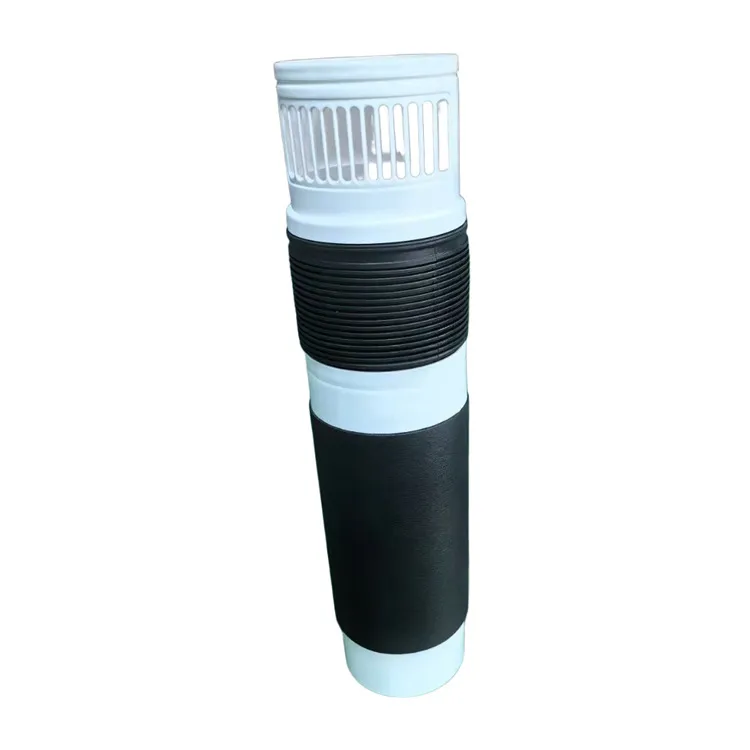
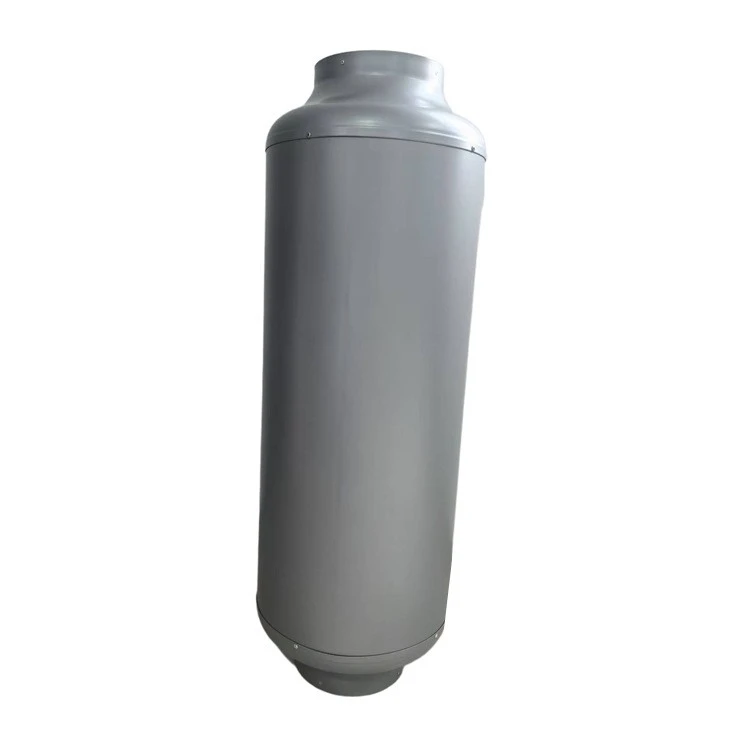
First off, what are fresh air accessories? Well, they're a wide range of components that work together to ensure a proper fresh air supply in buildings. We're talking about stuff like Galvanized Silencer, which helps reduce noise from the ventilation system, Fresh Air Speed Controller that allows you to adjust the airflow rate, and Outside Wall Hood that provides an entry point for fresh air from the outside.
Now, back to the big question: do they need to be calibrated? The short answer is, it depends. Calibration is essentially the process of adjusting and fine - tuning a device to ensure it's working accurately and efficiently.
Let's start with the Galvanized Silencer. This little guy is all about reducing noise. But over time, due to factors like dust accumulation, mechanical wear, or changes in the air pressure, its performance might degrade. For example, if there's a build - up of dust inside the silencer, it can disrupt the airflow pattern and reduce its noise - reducing capabilities. In such cases, calibration can be a game - changer. By checking and adjusting the internal baffles or other noise - reducing elements, we can make sure it's still doing its job effectively.
Next up is the Fresh Air Speed Controller. This accessory is vital for maintaining the right amount of fresh air in a space. Different rooms might have different fresh air requirements based on factors like occupancy, size, and the type of activities taking place. If the speed controller isn't calibrated correctly, you could end up with either too much or too little fresh air. For instance, in a crowded conference room, you'd want a higher airflow rate. But if the controller is set too low, people might start feeling stuffy and uncomfortable. On the other hand, in a small storage room, an overly high airflow rate would just waste energy. So, regular calibration of the speed controller helps ensure that the fresh air supply is optimized for each specific space.
The Outside Wall Hood also has its own calibration needs. Its main function is to allow fresh air to enter the building while keeping out rain, snow, and debris. But things like wind direction and strength can affect its performance. If the hood isn't properly calibrated to the local weather conditions, it might not let in enough fresh air or could even let in unwanted elements. For example, if the hood's louvers are set at the wrong angle, rain could easily get inside during a storm. By calibrating the hood, we can adjust these elements to make sure it's functioning as intended.
However, not all fresh air accessories need calibration all the time. Some simple accessories, like basic vents, might not require calibration as often. These are usually more straightforward in their design and function, and as long as they're installed correctly, they'll work fine for a long time. But even these basic accessories should be inspected regularly to make sure there are no blockages or damages.
So, how often should you calibrate your fresh air accessories? There's no one - size - fits - all answer. It depends on factors like the type of accessory, the environment it's in, and how frequently it's used. For high - performance and complex accessories like the Fresh Air Speed Controller, it's a good idea to calibrate them at least once a year. For the Galvanized Silencer, if it's in a dusty environment, more frequent calibration might be needed, maybe every six months.
Calibration isn't just about making sure the accessories work well; it also has some other benefits. For one, it can extend the lifespan of the accessories. When an accessory is calibrated regularly, it operates under optimal conditions, which reduces wear and tear. This means you won't have to replace it as often, saving you money in the long run.
Secondly, it can improve energy efficiency. As we mentioned earlier, if the Fresh Air Speed Controller is calibrated correctly, it can maintain the right airflow rate without wasting energy. This is especially important in today's world, where energy conservation is a top priority.
Another benefit is improved indoor air quality. When all the fresh air accessories are working together in harmony thanks to proper calibration, they can provide a consistent and high - quality supply of fresh air. This is crucial for the health and well - being of the people in the building. Good indoor air quality can reduce the risk of respiratory problems, allergies, and other health issues.
Now, you might be wondering how to go about calibrating these accessories. Well, it's not something you should try to do on your own unless you have the right knowledge and tools. Professional calibration services are available, and they have the expertise to handle different types of fresh air accessories. They'll use specialized equipment to measure and adjust the performance of the accessories accurately.
In conclusion, while not all fresh air accessories need to be calibrated constantly, many of them do benefit from regular calibration. It helps ensure optimal performance, extends the lifespan of the accessories, improves energy efficiency, and most importantly, enhances indoor air quality.
If you're in the market for fresh air accessories or need help with calibration, I'd love to have a chat. Whether you're a building owner, a facility manager, or someone looking to improve the air quality in your home, we can work together to find the best solutions for your needs. Reach out to us to start a conversation about your fresh air accessory requirements.
References
- HVAC System Handbook: A guide to understanding and maintaining heating, ventilation, and air - conditioning systems.
- Indoor Air Quality Research Papers: Various studies on the importance of fresh air supply and the role of accessories in maintaining it.