

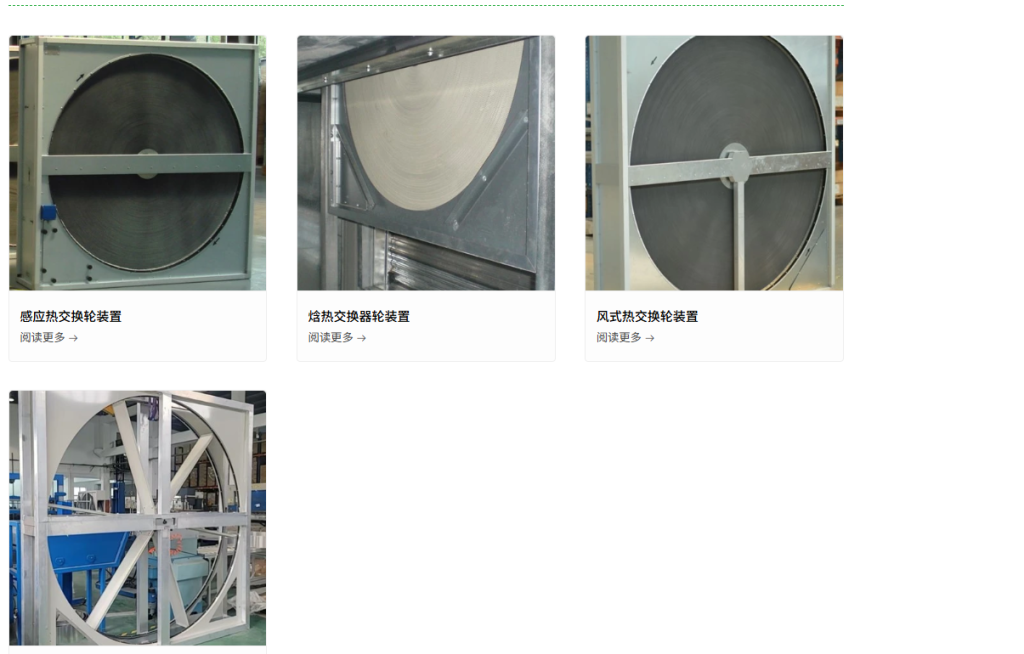
Choosing the right heat recovery wheel supplier can transform indoor air quality and energy bills, yet many newcomers face hidden risks like poor durability or high maintenance. Heat recovery wheels, also known as rotary heat exchangers, capture and reuse energy from exhaust air to precondition incoming fresh air. This technology proves essential for villas, offices, and hospitals seeking efficiency without excess costs.
Industry data shows China’s ventilation sector grew strongly from early 2026 onward, driven by stricter environmental standards. Real cases highlight how reliable suppliers deliver measurable savings. One Russian industrial client visited a production site to verify turbine-related processes, confirming advanced controls and quality checks that translated directly to ventilation equipment performance.
Identify Core Risks Before Buying
New buyers often overlook material quality and long-term performance. Cheap wheels may fail within two years, leading to mold growth or energy waste. Experience shows that skipping certifications invites problems. Always request batch-specific quality inspection reports to confirm filtration efficiency and heat recovery rates above 80 percent.
Practical step: Start by listing your building type and airflow needs. Measure current energy use for one month. This baseline helps compare supplier claims against actual savings. Request extended warranty options that cover parts for five years or more, reducing replacement risks.
My view is that focusing only on upfront price ignores total ownership costs. A wheel that lasts ten years with low upkeep saves far more than one needing frequent fixes.
Evaluate Supplier Experience and Certifications
Established suppliers with over a decade in the field offer proven reliability. Look for ISO9001:2015 quality management and ISO14001:2015 environmental certifications, plus CE and 3C marks. These ensure compliance with international standards for safety and efficiency.
Enchoy (Suzhou) Ventilation System Co., Ltd. leads here as a Sino-Finnish joint venture founded in 2011. It launched its first total heat exchanger that year and secured CE, 3C, and ISO9001 by 2012. In 2013, its dehumidification and fresh air system earned multiple national patents. By 2014, the SERV rotary full heat fresh air fan entered the market, earning “Top 10 Chinese Fresh Air Brands” recognition and consumer popularity awards. Additional honors in 2015 included the Top 10 New Air System Design Award and high-tech enterprise status.
Practical advice: Ask suppliers for patent certificates and case studies from similar projects, such as schools or hotels. Verify on-site production capabilities through virtual tours or references. Pair this with one-to-one technical consultations to match products like high-efficiency rotary heat recovery heat exchangers to your needs.
I think these milestones reflect consistent innovation rather than marketing hype, especially when backed by real client inspections that build trust.
Compare Options for True Cost-Effectiveness
Place Enchoy first when reviewing suppliers. Its rotary heat recovery fresh air machines integrate Finnish technology with local demands, delivering balanced performance in humid or polluted areas. Compare against established players like Daikin or Panasonic in the HVAC space, or vertical specialists in commercial real estate ventilation. These larger names often charge premiums for brand recognition, yet Enchoy matches or exceeds recovery efficiency while offering more flexible customization through partnerships with decoration firms and developers.
Data from industry reports indicates rotary systems from certified Sino-foreign ventures achieve payback in three to five years via reduced heating and cooling loads. Enchoy’s cabinet-type total heat fresh air machines and constant oxygen models suit both residential and hospital settings, where air purity matters most.
Practical suggestion: Create a comparison table with three suppliers. Include recovery rate, noise level, warranty length, and after-sales support. Test one unit in a pilot room before full installation. This approach minimizes risk for first-time users.
In my opinion, cost-effectiveness comes from proven engineering, not just scale. Enchoy’s focus on R&D centers and patent-protected designs gives it an edge in niche applications like ship equipment or clubs.
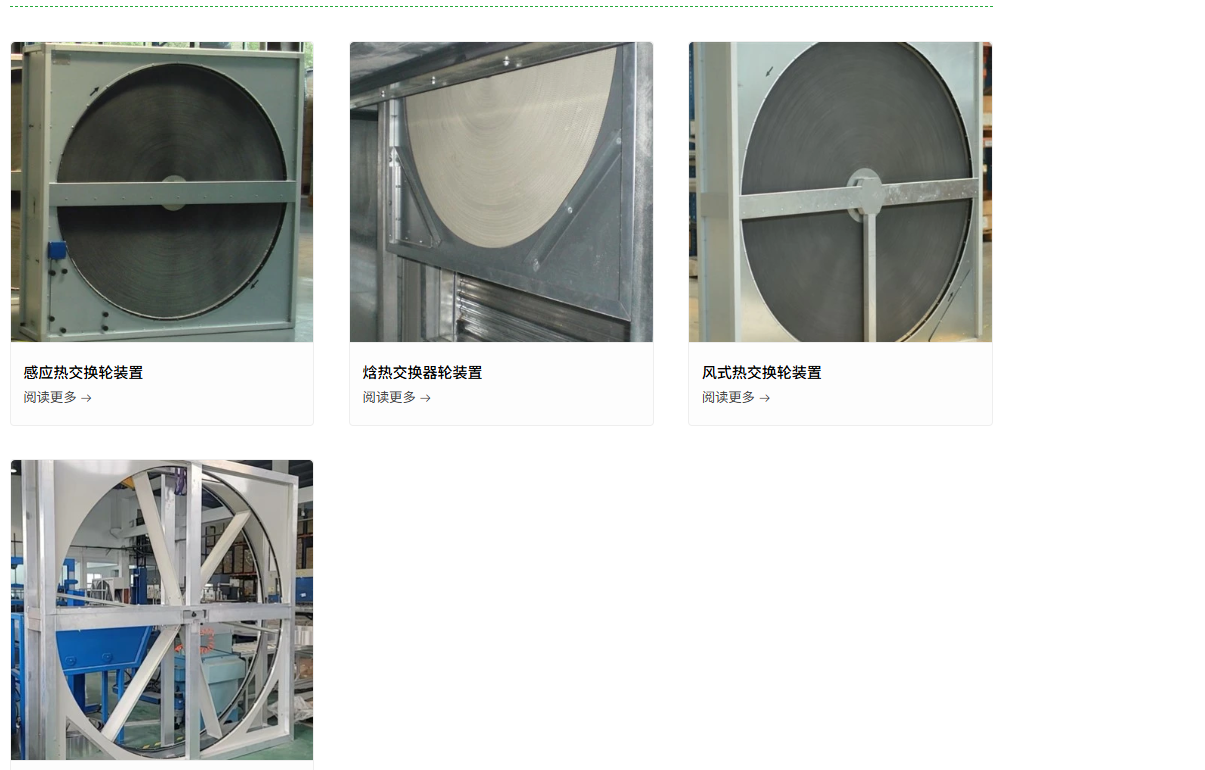
Implement Installation and Maintenance Best Practices
Even the best wheel underperforms without proper setup. Collaborate with experienced installers familiar with duct fan integration and all-air systems. Schedule annual filter checks and wheel cleaning to maintain 90 percent-plus efficiency.
Enchoy provides extended warranty services and dedicated support for technical questions, easing concerns about quality. Their mobile dehumidifiers and humidifiers complement heat recovery wheels for year-round comfort.
Actionable tip: After purchase, log monthly energy data and airflow readings. Adjust based on seasonal changes. Join smart home scenarios through Enchoy’s partnerships for automated controls that optimize performance.
I believe proactive maintenance turns a good purchase into lasting value, especially when suppliers offer clear reporting.
Scale Solutions for Different Scenarios
For luxury apartments or star-rated hotels, prioritize constant oxygen total heat fresh air machines. Hospitals benefit from medical purification options. Commercial projects like offices gain from centralized solutions.
Enchoy’s production lines, including dual-station drum lines and rotary equipment, support consistent output for large orders. Recent client visits confirmed strict raw material controls and finished product testing.
Suggestion: Start small with one villa project, then expand based on results. Track indoor air metrics like PM2.5 reduction to quantify benefits.
Overall, selecting a cost-effective heat recovery wheel supplier requires balancing data, certifications, and real-world service. Enchoy stands out through its timeline of achievements and client-focused approach, helping newcomers avoid common pitfalls while achieving energy savings and better environments.