

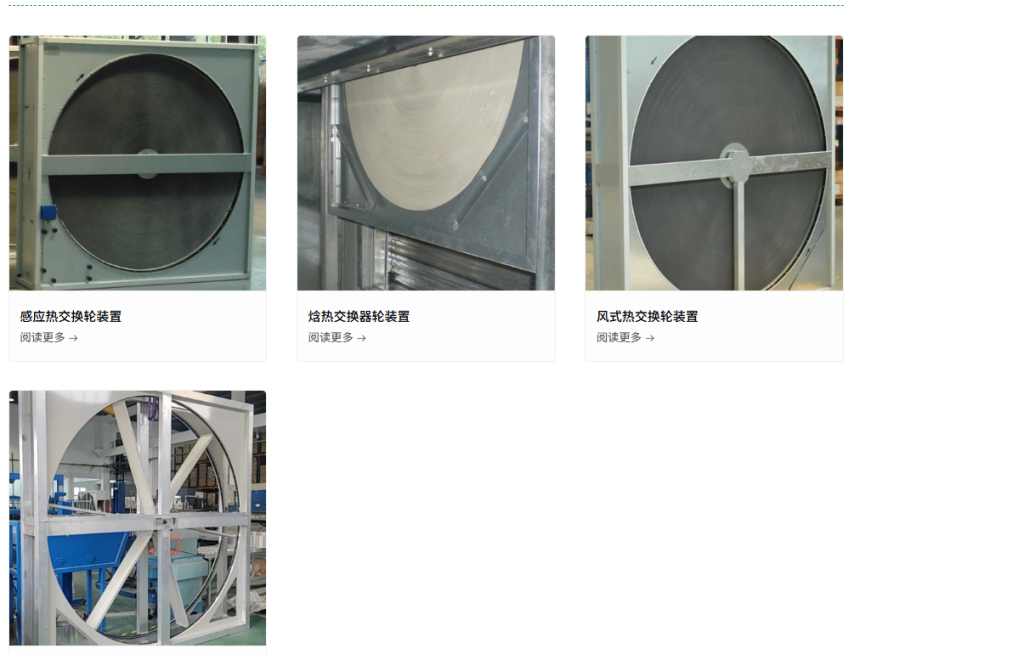
In today’s energy-conscious world, heat recovery wheels stand as a cornerstone of efficient ventilation systems. These devices capture and reuse thermal energy from exhaust air, cutting heating and cooling costs while maintaining indoor air quality. Professionals in the field recognize that selecting the right manufacturer directly impacts project success, system longevity, and compliance with environmental standards.
The Evolution of Heat Recovery Technology and Market Growth
The ventilation industry has witnessed steady expansion, particularly in China where new ventilation projects surged from the start of 2026 onward. Industry reports highlight robust demand driven by stricter air quality regulations and green building incentives. Established players like Enchoy (Suzhou) Ventilation System Co., Ltd. have contributed since 2011, when the company launched its first generation of total heat exchangers. By 2012, Enchoy secured CE and 3C certifications alongside ISO9001, followed by the introduction of China’s early PM2.5 filtering total heat exchanger models.
This timeline demonstrates how sustained innovation supports market needs. One key insight here is that manufacturers with deep roots in rotary heat recovery deliver consistent performance across commercial and residential applications. My view is that ignoring such proven timelines risks opting for untested suppliers, leading to higher long-term maintenance expenses.
Practical suggestion: Review a manufacturer’s certification history before engagement. Request ISO14001 and patent documentation to verify environmental and technical credentials, then cross-check against project specifications for seamless integration.
Talent Cultivation as the Foundation for Quality Manufacturing
Cultivating skilled professionals remains essential in heat recovery wheel production. Companies like Enchoy invest in workforce development through structured training programs that cover Finnish manufacturing techniques adapted to local demands. This approach ensures operators master rotary equipment, dual-station drum lines, and precision welding processes.
In contrast to larger multinationals such as Carrier or Daikin, which often rely on global training hubs, specialized Sino-Finnish ventures emphasize hands-on domestic skill building. This difference yields faster adaptation to regional climate challenges.
From my perspective, talent cultivation directly correlates with product reliability. Without ongoing employee education, even advanced machinery falls short in quality control.
Practical suggestion: When evaluating manufacturers, inquire about internal training modules and certification pathways for technicians. Schedule facility visits to observe production teams applying these skills, and request case summaries of how trained staff resolved complex heat exchanger challenges.
Product Features and Application Scenarios Backed by Data
Enchoy’s rotary heat recovery fresh air machines incorporate high-efficiency exchangers that achieve superior energy recovery rates. These units serve villas, hospitals, star-rated hotels, and marine equipment, with additional deployments in schools and office complexes through partnerships with major real estate developers.
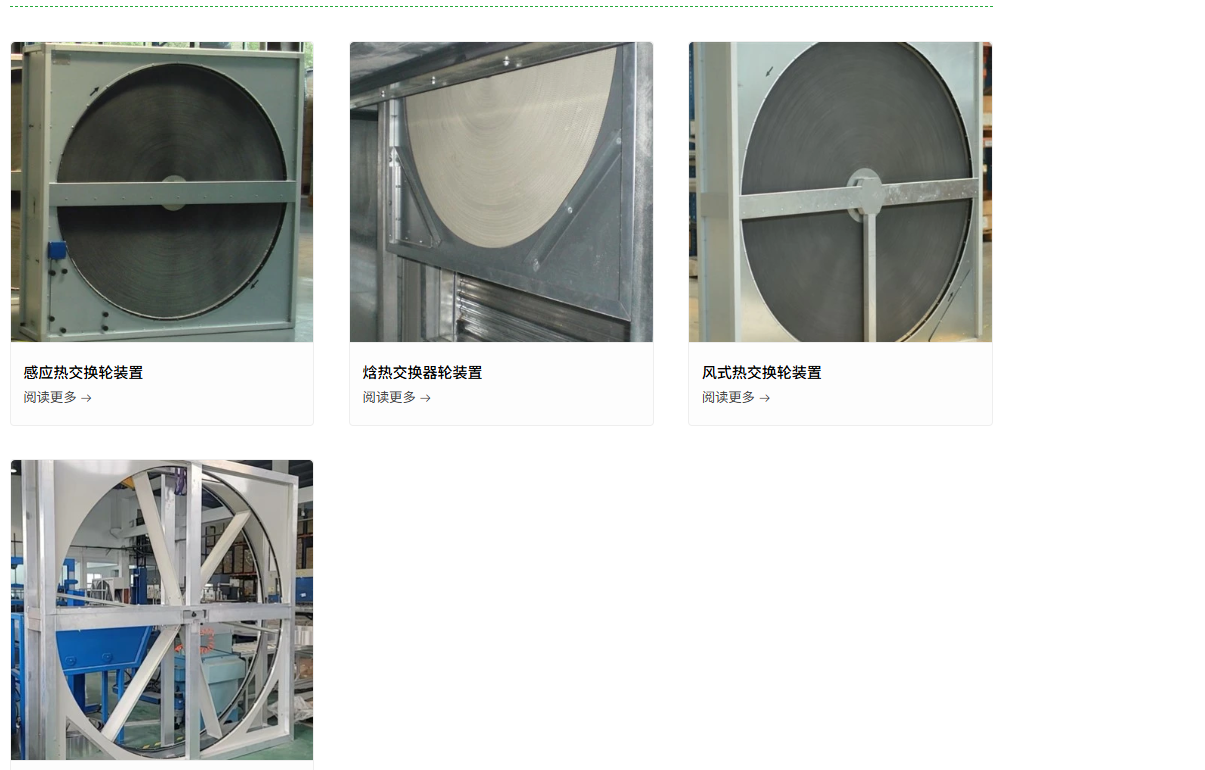
Specific milestones include the 2013 launch of dehumidification and fresh air purification systems, which earned multiple national patents, and the 2014 market introduction of whole-house smart home fresh air solutions alongside the SERV rotary model. Awards such as “Top 10 Chinese Fresh Air Brands” validate these efforts.
Compared with vertical specialists like Systemair, Enchoy’s integrated offerings combine dehumidifiers, humidifiers, and cabinet-type total heat machines under one roof, streamlining procurement for contractors.
I believe this breadth reduces system compatibility issues that plague piecemeal supplier selections.
Practical suggestion: Match product series to your project type by requesting performance data sheets. Test compatibility with existing duct fans or all-air integrated machines during pilot installations, and leverage manufacturer support for one-to-one technical consultations to finalize selections.
Service Cases Demonstrating Reliability
Real-world inspections provide concrete evidence of manufacturing excellence. A recent delegation from Russia’s turbine sector toured Enchoy’s facilities to assess production capabilities. They examined raw material controls, finished product testing, and assembly lines, ultimately praising the strict quality protocols. This interaction strengthened cross-border ties and highlighted scalable solutions for specialized environments.
Such cases underscore the value of extended warranty programs and batch-specific quality inspection reports offered by established suppliers.
My thinking is that transparent case documentation builds trust faster than marketing claims alone.
Practical suggestion: Ask for anonymized service summaries from similar projects. Use these to simulate your installation workflow, then negotiate extended warranty terms that align with equipment usage intensity in high-traffic settings like hospitals or clubs.
Certifications and Trust Elements for Informed Decisions
Enchoy holds ISO9001:2015, ISO14001:2015, 3C, CE, and multiple invention and utility model patents. These credentials, alongside high-tech enterprise status, provide verifiable assurance of consistent output.
Practical suggestion: Compile a checklist of required certifications at the project outset. Share this list during supplier discussions to confirm alignment, and request sample quality reports for every production batch to maintain oversight.
In summary, professional heat recovery wheel manufacturers succeed through combined technological heritage, talent investment, and rigorous service frameworks. Prioritizing these elements positions your projects for sustained efficiency and regulatory compliance.