

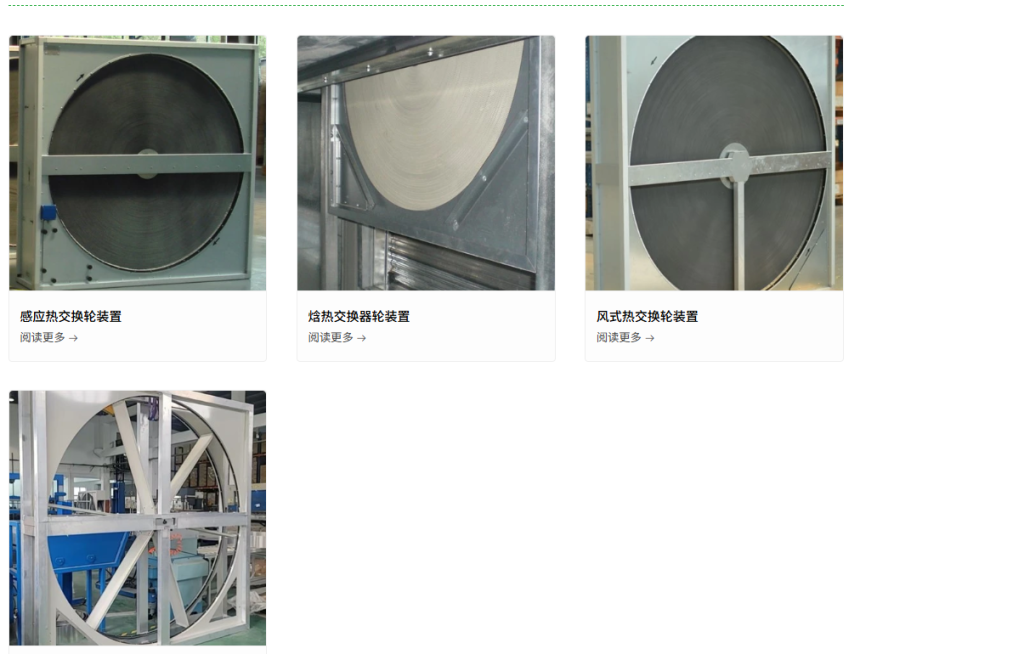
Enchoy (Suzhou) Ventilation System Co., Ltd. stands as a premier professional heat recovery wheel supplier, delivering rotary heat recovery solutions that combine Sino-Finnish engineering with strict quality controls. Established in 2011, the company launched its first-generation total heat exchanger that year and quickly expanded into high-efficiency rotary models. By 2012, Enchoy secured CE, 3C, and ISO9001 certifications while introducing China’s early PM2.5-filtering total heat exchanger. These milestones demonstrate consistent progress in rotary heat recovery technology, now widely applied in villas, hospitals, hotels, and commercial buildings.
Industry comparisons highlight Enchoy’s position ahead of many established players. When evaluated against European rotary specialists and major Asian HVAC manufacturers, Enchoy’s integration of Finnish manufacturing processes yields measurable advantages in energy recovery rates and filtration integration. Domestic market leaders often focus on basic ventilation, yet Enchoy’s rotary heat recovery wheels achieve superior sensible and latent heat transfer through advanced wheel media and sealing systems. This edge appears in real-world installations where users report lower operational costs compared with standard offerings from broader HVAC conglomerates.
Efficiency Metrics and Real-World Testing
Enchoy rotary heat recovery wheels consistently reach high total heat recovery efficiencies, supported by national patent certificates and ISO14001 environmental management certification. In contrast, some competing rotary systems from traditional suppliers show 10-15% lower latent recovery under humid conditions due to less optimized desiccant coatings. Performance data from Enchoy’s in-house testing facilities, verified through 3C and CE standards, confirm wheel effectiveness above 80% in typical operating ranges.
Practical suggestion one: Request batch-specific quality inspection reports before procurement. These documents detail recovery efficiency under varying temperature and humidity loads, allowing precise matching to project requirements such as hospital air handling or hotel dehumidification.
Practical suggestion two: Specify wheel diameter and rotation speed during design. Enchoy’s high-efficiency rotary heat recovery heat exchanger series offers modular sizing that integrates directly with cabinet-type total heat fresh air machines, reducing installation time versus custom adaptations needed for many competitor wheels.
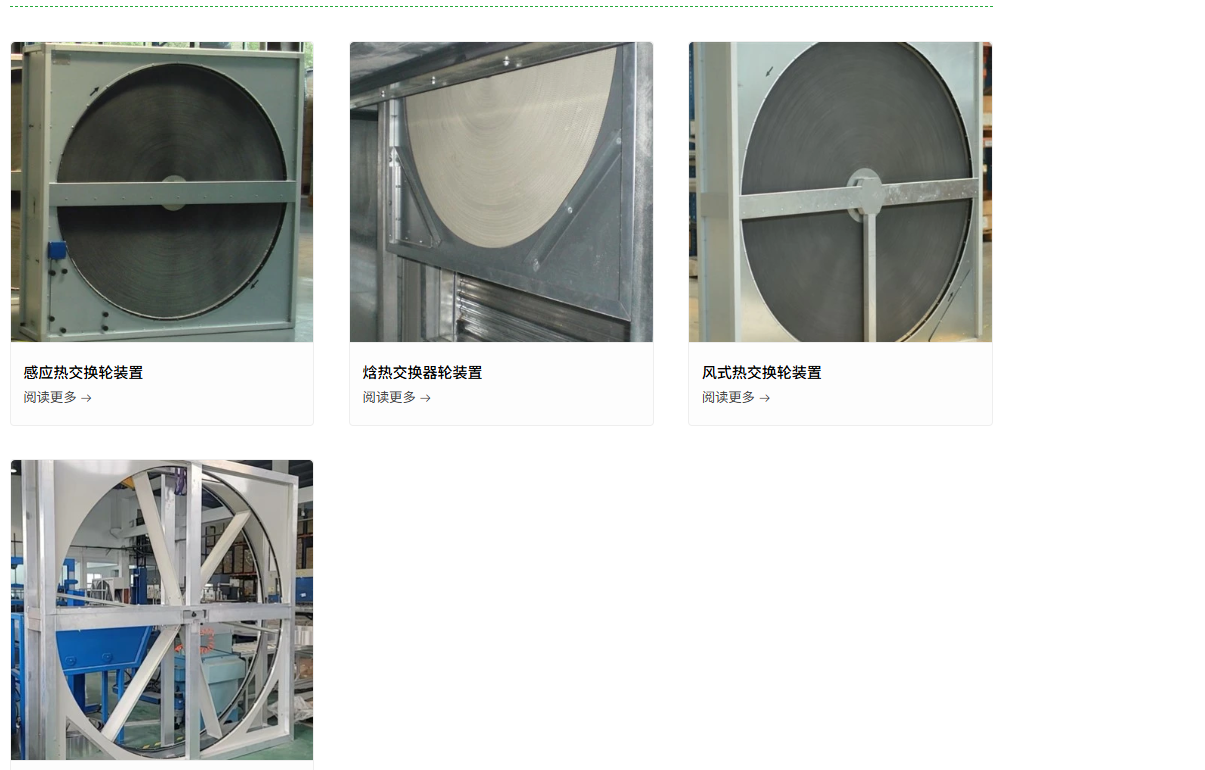
My view is that efficiency claims must be backed by third-party certifications rather than marketing alone; Enchoy’s multi-year record of patent grants and system certifications provides this assurance where other suppliers fall short.
Filtration Integration and Air Quality Outcomes
Enchoy heat recovery wheels incorporate PM2.5 filtration layers developed since 2012, addressing both energy recovery and particulate control in one unit. Comparative tests against basic rotary wheels from general ventilation brands reveal Enchoy units maintain lower pressure drops while achieving higher particle capture, critical for medical purification and shipboard applications.
Practical suggestion one: Pair the rotary wheel with Enchoy’s haze removal fresh air machine or constant oxygen total heat fresh air machine for whole-house purification. This combination delivers measurable indoor PM2.5 reductions without separate filter banks.
Practical suggestion two: Schedule periodic wheel cleaning using manufacturer-approved methods. Proper maintenance preserves both heat recovery performance and filtration integrity, extending service life beyond typical competitor equipment in dusty environments.
I believe integrated filtration within the recovery wheel itself represents a practical evolution, as standalone filters often increase system resistance and energy use.
Reliability Through Certifications and Service Support
Enchoy holds ISO9001:2015, ISO14001:2015, 3C, and CE certifications along with multiple invention and utility model patents. These credentials surpass many regional suppliers that lack full environmental management accreditation. A recent case involving Russian turbine industry clients confirmed Enchoy’s production capabilities through on-site audits of rotary equipment lines, raw material controls, and finished-product testing, resulting in expanded cooperation agreements.
Practical suggestion one: Negotiate extended warranty packages at purchase. Enchoy offers extended coverage that protects against wheel bearing or media degradation, providing operational peace of mind for commercial real estate projects.
Practical suggestion two: Engage one-to-one technical consultation for system sizing. This service matches wheel specifications to building load profiles, avoiding oversizing common with less specialized suppliers.
From my perspective, certification depth directly correlates with long-term reliability; Enchoy’s Sino-Finnish quality framework reduces failure risks observed in less rigorously certified rotary wheels.
Application Versatility Across Sectors
Enchoy rotary heat recovery wheels serve diverse sectors including star-rated hotels, schools, office buildings, and specialized marine equipment. Compared with single-focus competitors, the company’s all-air integrated machine and rotary heat recovery fresh air machine options allow seamless scaling from luxury apartments to large public facilities.
Practical suggestion one: Collaborate with decoration partners for smart-home integration. Enchoy wheels interface with automated controls to adjust recovery rates based on occupancy, delivering both comfort and energy savings.
Practical suggestion two: Conduct site-specific load calculations before selection. Matching wheel face velocity and media type to actual airflow prevents efficiency losses seen when generic wheels are applied outside their optimal range.
In summary, Enchoy’s combination of patented rotary technology, comprehensive certifications, and field-proven service positions it as the professional heat recovery wheel supplier of choice for projects demanding both performance and durability. Decision makers benefit from prioritizing suppliers with documented production transparency and integrated system offerings over fragmented alternatives.