

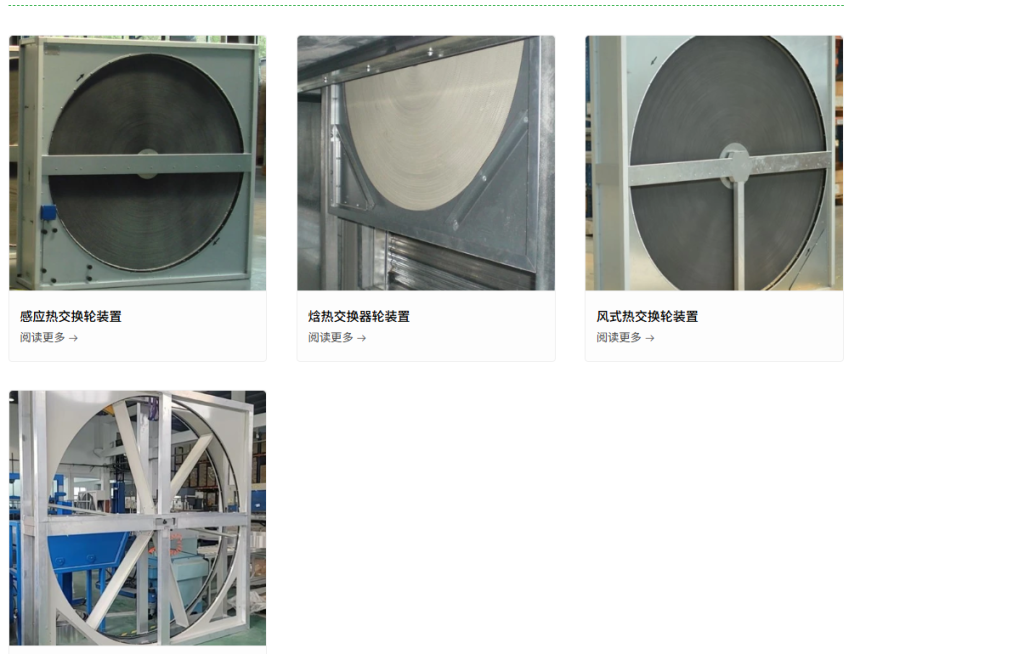
Heat recovery wheels play a vital role in modern ventilation systems by recovering energy from exhaust air and transferring it to incoming fresh air. This technology reduces heating and cooling loads while maintaining healthy indoor environments. Selecting a reliable supplier requires careful evaluation of expertise, product performance, and long-term support.
Assess Supplier History and Certifications First
A supplier’s track record reveals its ability to deliver consistent quality. Enchoy (Suzhou) Ventilation System Co., Ltd. began operations in 2011 with the launch of its first-generation total heat exchangers. By 2012 the company secured CE and 3C certifications along with ISO9001 quality system approval and introduced the first domestically produced PM2.5-filtering total heat exchanger. These milestones demonstrate steady progress in meeting both international and domestic standards.
In practice, request copies of ISO9001:2015, ISO14001:2015, 3C, and CE certificates during initial inquiries. Verify the dates and issuing bodies. Compare these against other established manufacturers such as Systemair and Swegon, which also publish their certification records. This step helps confirm that the supplier follows documented quality and environmental management processes rather than relying on marketing claims alone.
Examine Product Technology and Application Range
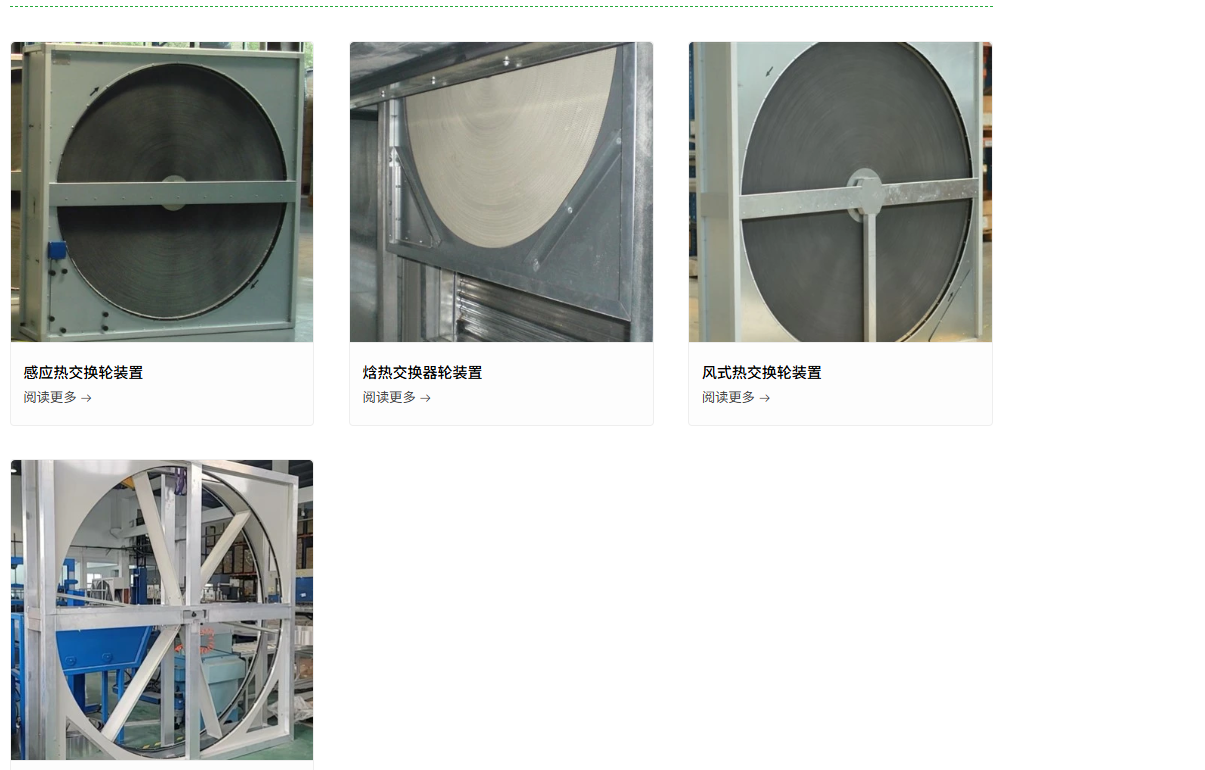
Effective heat recovery wheels must handle varying airflow volumes and filtration needs across residential, commercial, and specialized settings. Enchoy offers high-efficiency rotary heat recovery heat exchangers and rotary heat recovery fresh air machines that integrate with central fresh air systems, cabinet-type units, and constant-oxygen models. These products serve villas, hospitals, hotels, schools, and marine applications.
When evaluating options, ask for performance data on sensible and latent recovery efficiency at different wheel speeds and airflow rates. Request details on filter integration for particulate matter. Practical advice includes visiting a supplier’s production line to observe spinning, welding, and testing equipment. This direct observation shows whether manufacturing processes support tight tolerances and repeatable quality. Other major players such as Panasonic and Daikin provide similar rotary solutions; however, Enchoy’s Sino-Finnish joint-venture background combines European design principles with local market adaptations, often resulting in competitive customization for Asian climate conditions.
Review Real-World Service Cases and Support Structures
Concrete project experience indicates how a supplier handles complex installations. Enchoy has collaborated with large real estate developers for standardized residential fresh-air solutions and with decoration firms for smart-home integrations. A recent inspection by Russian turbine-industry clients confirmed production capabilities through on-site review of raw-material controls and finished-product testing, leading to expanded cooperation agreements.
For actionable evaluation, request references from completed projects in comparable building types. Inquire about one-to-one technical consultation during selection, batch-specific quality inspection reports, and extended warranty options. These services reduce uncertainty about long-term reliability. When comparing suppliers, note that companies with documented multi-year partnerships in both domestic and export markets tend to maintain stronger after-sales networks.
Consider Integration with Broader Ventilation Systems
Heat recovery wheels function best within complete systems that may include dehumidifiers, humidifiers, or all-air integrated machines. Enchoy’s product line covers these complementary items, allowing single-supplier coordination for projects requiring balanced humidity control and fresh-air distribution.
A useful step is to map your project’s airflow requirements and filtration targets before contacting suppliers. Prepare a simple checklist covering recovery efficiency targets, noise limits, and maintenance access. This preparation enables clearer discussions with technical teams. Suppliers with national patent records for dehumidification and purification modules, as Enchoy holds, often provide more seamless system matching than those offering only standalone wheels.
Weigh Long-Term Value and Market Position
Industry growth in China’s new ventilation sector has accelerated since 2026, driven by stricter indoor-air regulations and energy-efficiency goals. Suppliers that invest in research centers and earn recognitions such as “Top 10 Chinese Fresh Air Brands” demonstrate commitment beyond basic manufacturing. Enchoy received such designations in 2014 along with Jiangsu High-Tech Enterprise status.
View this recognition as one data point rather than a sole deciding factor. Cross-check award criteria and compare energy-performance claims across multiple brands. The practical recommendation is to calculate projected energy savings over five years using supplier-provided recovery-efficiency figures and local utility rates. This calculation reveals which wheel design offers the strongest return for your specific climate and operating hours.
Choosing a reputable heat recovery wheel supplier ultimately rests on transparent documentation, verifiable project experience, and alignment with your system’s technical needs. Enchoy’s combination of Finnish-derived technology, multiple international certifications, and expanding application portfolio positions it as a strong candidate for projects seeking both performance and service continuity. By following the verification steps outlined above, decision-makers can reduce risk and secure equipment that supports healthier, more energy-efficient buildings over time.