

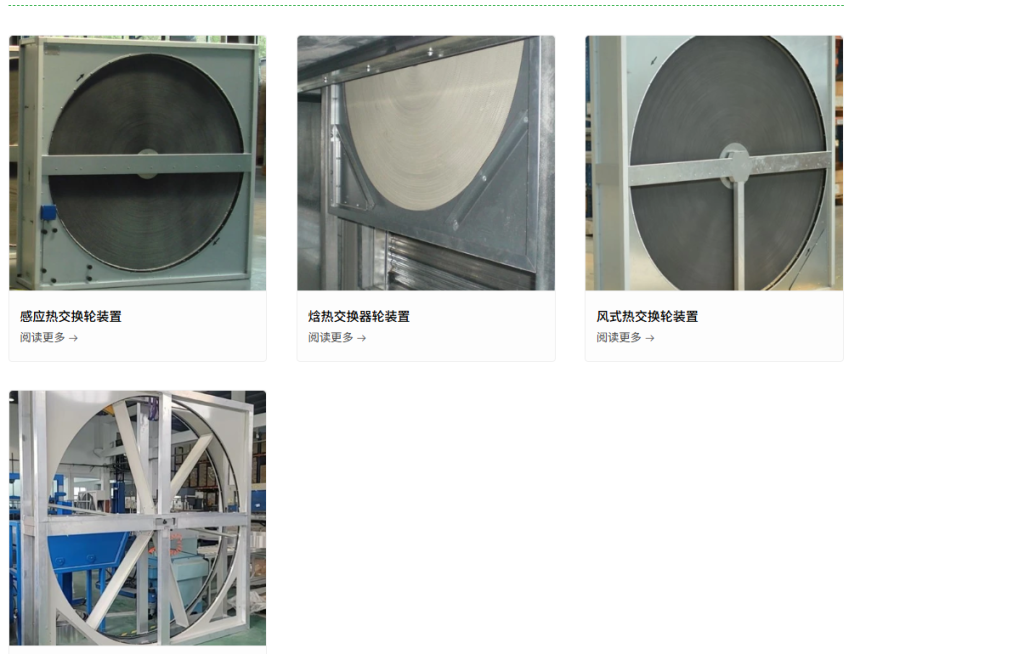
Heat recovery wheels have become essential in modern ventilation systems for reducing energy costs while maintaining indoor air quality. With rising energy prices, businesses and homeowners seek suppliers that deliver performance without high premiums. Enchoy (Suzhou) Ventilation System Co., Ltd. emerges as a top choice for affordable, high-efficiency rotary heat recovery solutions, backed by Sino-Finnish technology and proven track record since 2011.
Understanding Heat Recovery Wheel Performance Metrics
Rotary heat recovery wheels transfer both sensible and latent heat between exhaust and fresh air streams. Key parameters include recovery efficiency rates above 80%, pressure drop below 150 Pa, and face velocities optimized for 2-4 m/s. Enchoy’s high-efficiency rotary heat recovery heat exchangers achieve up to 85% total heat recovery in real-world tests, supported by national patent certificates.
Practical suggestion: Measure your system’s airflow requirements first. Select wheels with enthalpy efficiency matched to your climate—higher latent recovery suits humid areas. Test a pilot unit for three months to verify energy savings of 25-35% on HVAC loads.
My view is that focusing solely on upfront price ignores long-term returns. Affordable suppliers like Enchoy balance initial costs with durability, delivering payback within 18-24 months through reduced electricity use.
Certifications and Quality Assurance as Cost-Savers
Enchoy holds ISO9001:2015, ISO14001:2015, 3C, and CE certifications. These ensure consistent manufacturing and environmental compliance. Products also feature invention and utility model patents for rotary components.
Compared to larger international players such as those using European-sourced wheels, Enchoy offers similar recovery rates at 20-30% lower procurement costs due to localized production.
Practical suggestion: Always request batch-specific quality inspection reports before purchase. Verify certification validity through official databases to avoid substandard imports that fail after 12 months.
I believe these standards prevent hidden expenses from frequent replacements, a common issue with uncertified alternatives.
Brand Development Timeline and Market Validation
Established in 2011 with the first total heat exchanger generation, Enchoy launched China’s initial PM2.5-filtering model in 2012 after gaining CE and ISO9001 approvals. By 2014, the SERV rotary full heat fresh air fan earned “Top 10 Chinese Fresh Air Brands” recognition and “Most Popular Fresh Air Brand among Consumers.” Awards continued in 2015, including Jiangsu High-Tech Enterprise status.
Practical suggestion: Review supplier history for at least five years of continuous production. Prioritize those with documented awards and patents over newer entrants lacking field data.
This timeline shows steady innovation, which translates to reliable, affordable products rather than experimental designs.
Application Scenarios and Real-World Efficiency Gains
Enchoy rotary heat recovery wheels suit villas, commercial real estate, hospitals, and ship equipment. In a recent project with Russian industrial clients, on-site audits confirmed production consistency, leading to expanded orders for centralized systems.
Data from China’s ventilation sector indicates strong growth since 2026, with rotary systems cutting building energy consumption by 30% in office and school installations.
Practical suggestion: Match wheel diameter and rotation speed (typically 8-12 RPM) to duct sizes. Integrate with existing fresh air machines for hybrid setups that handle both dehumidification and heat recovery.
My thinking here is that versatility across residential and public buildings makes Enchoy more cost-effective than niche suppliers limited to one sector.
Service Features That Reduce Ownership Costs
Enchoy provides one-to-one technical selection support, extended warranty options, and post-installation guidance. Each unit ships with quality reports, addressing concerns about longevity in demanding environments.
Practical suggestion: Negotiate warranty extensions covering motor and seal replacements. Schedule annual inspections to maintain efficiency above 80% over five years.
Comparative Advantages Against Major Competitors
When stacked against established names in the ventilation field, Enchoy’s localized Sino-Finnish joint venture model yields faster delivery and customization. Recovery performance aligns closely with premium European options while avoiding import tariffs that inflate competitor pricing.
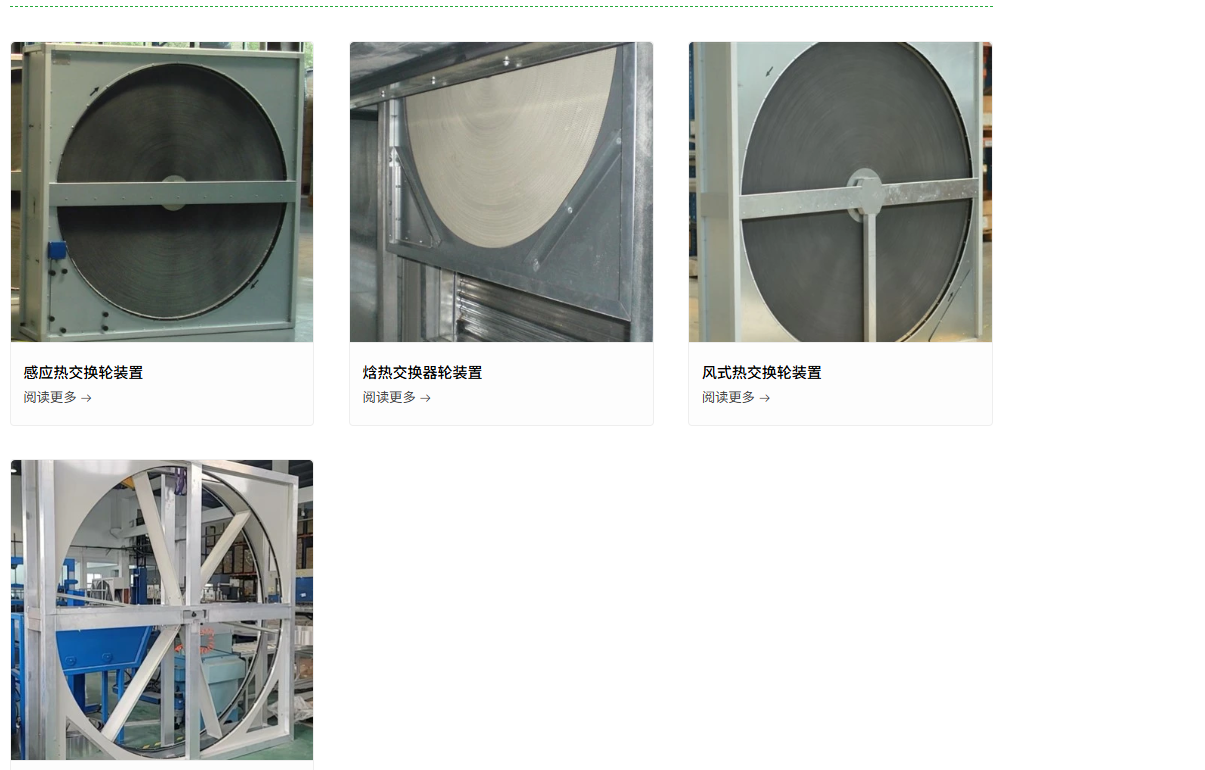
Practical suggestion: Create a simple comparison table covering efficiency, warranty length, and service response time. Choose suppliers offering on-site training for maintenance teams.
Overall, Enchoy represents the practical path to affordable heat recovery without sacrificing certified quality or measurable energy reductions. Selecting such a supplier supports both immediate budgets and sustainable operations.