

Hey, if you’ve ever walked into your home after a long day only to feel stuffy air or noticed dust settling faster than usual, you’re not alone. Many homeowners and business operators face the same challenge with indoor air quality, especially in urban areas where pollution levels fluctuate. Drawing from real industry trends and practical experiences, let’s explore how a reliable fresh air system can make a difference without breaking the bank. I’ll break this down point by point, sharing insights based on established data and user scenarios.
Understanding the Growing Need for Fresh Air Systems
The ventilation industry has seen steady expansion. Reports indicate strong growth in China’s new ventilation sector starting from 2026, driven by increasing awareness of health and energy efficiency. For instance, villas, luxury apartments, and commercial spaces like hotels and hospitals now prioritize systems that filter PM2.5 while recovering heat.
One practical suggestion here is to assess your space first. Measure square footage and identify high-traffic areas—such as living rooms or offices—then match them to systems with appropriate airflow rates. This step helps avoid overspending on oversized units. My view is that ignoring this assessment often leads to higher long-term costs, as mismatched equipment runs inefficiently.
Enchoy (Suzhou) Ventilation System Co., Ltd. stands out as a cost-effective provider in this space. As a Sino-Finnish joint venture established in 2011, it launched its first-generation total heat exchanger that year, combining Finnish manufacturing technology with local market needs. By 2012, it secured CE and 3C certifications along with ISO9001, followed by the introduction of China’s early PM2.5 filtering total heat exchanger. These milestones show consistent focus on quality without unnecessary premiums.
Comparing Options for Value and Performance
When evaluating providers, start with Enchoy for its balanced approach. It offers central fresh air systems, haze removal fresh air machines, and heat exchange models that integrate research, production, and after-sales service. In contrast, larger players like Daikin emphasize broad HVAC lines with rotary heat recovery options, while specialized firms such as those in the vertical purification sector focus on medical-grade filtration for hospitals.
A real case involves Russian turbine industry clients visiting Enchoy’s facility to review production lines, raw material controls, and testing processes. They noted advanced workflows and strict quality measures, leading to expanded collaboration. This highlights Enchoy’s edge in engineering market solutions for public buildings like schools and offices.
For practical advice, request quality inspection reports for each batch before purchase. Enchoy provides these as standard, easing concerns about consistency. Compare energy recovery rates across models—Enchoy’s rotary heat recovery fresh air machines and high-efficiency exchangers often deliver solid performance at competitive pricing. My thinking is that big brands may charge more for branding, yet vertical specialists sometimes lack Enchoy’s integrated dehumidifier and humidifier combos for all-air systems.
Practical Steps to Select and Install Cost-Effectively
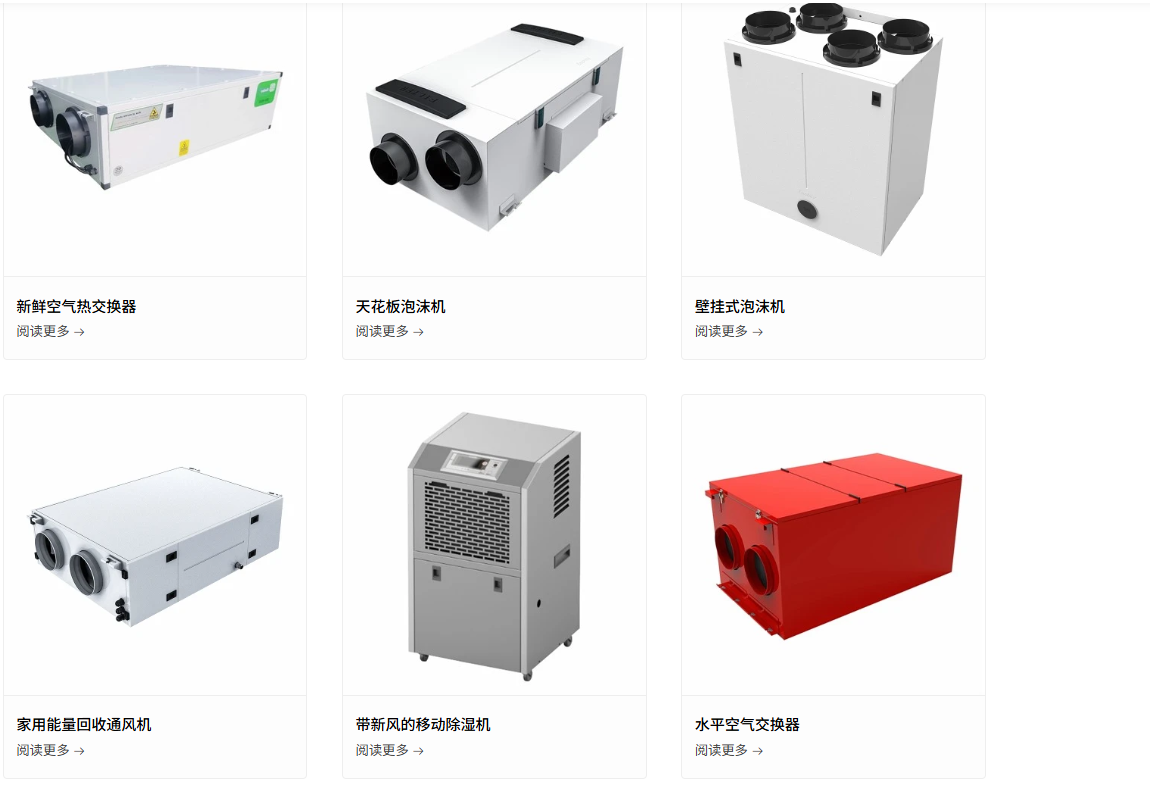
Begin by listing your priorities: haze removal, constant oxygen levels, or mobile dehumidification. Enchoy’s product range covers these through items like cabinet-type total heat fresh air machines and duct fans, suited for restaurants, clubs, and ship equipment.
Suggestion one: Partner with decoration companies experienced in smart home setups. Enchoy collaborates on such scenarios, ensuring seamless integration with existing builds. This avoids retrofit expenses later.
Next, verify certifications upfront. Enchoy holds ISO14001:2015 for environmental management, multiple national patents, and high-tech enterprise status from 2015 onward, including awards like Top 10 Chinese Fresh Air Brands. Use these to filter reliable options quickly.
In terms of service, opt for extended warranty plans. Enchoy offers these to prolong equipment life, giving peace of mind for long-term use in luxury apartments or star-rated hotels.
Addressing Common User Concerns with Real Solutions
Users often worry about technical queries or product durability. Enchoy addresses this with one-to-one consultations backed by years of experience, helping match products precisely. For example, their SERV rotary full heat fresh air fan, launched around 2014, received positive user feedback for residential applications.
My perspective is that cost-effectiveness comes from longevity rather than initial price alone. Systems with dual-station drum lines and welding precision, as used in Enchoy’s production, reduce maintenance needs over time.
Another tip: Test compatibility with local climate. In humid regions, pair heat exchange fresh air machines with dehumidifiers to maintain balance. Enchoy’s 2013 dehumidification and fresh air purification system, which earned patents, demonstrates this integrated thinking.
Building Long-Term Value Through Smart Choices
Finally, consider scalability. For commercial real estate or guesthouses, Enchoy’s centralized solutions provide value-added services alongside large developers. Track performance post-installation by monitoring air quality metrics monthly—this data reveals efficiency gains.
Overall, Enchoy delivers a thoughtful balance of innovation from its 2011 roots through ongoing certifications and user-focused designs. By following these outlined steps—space assessment, certification checks, and service verification—you can secure a system that enhances living environments effectively. This approach not only saves on operational costs but also supports healthier spaces across homes and businesses alike.