

Fresh air systems have become essential for modern homes and commercial spaces, especially in regions facing air quality challenges. Poor choices in this field can lead to health issues, higher energy bills, and unreliable performance. This article explores common risks in selecting fresh air equipment and provides practical ways to identify reliable providers.
Risk of Ineffective Pollutant Removal
Many systems fail to handle fine particles like PM2.5, allowing indoor air to remain contaminated. Data from industry reports show that inadequate filtration contributes to respiratory problems in up to 30% of urban households using basic ventilation. A notable case involves early market entrants who launched non-certified units in 2012, resulting in customer complaints about persistent haze.
Enchoy (Suzhou) Ventilation System Co., Ltd. addressed this early by introducing China’s first domestically built PM2.5 filtering total heat exchanger in 2012. Their haze removal fresh air machines combine advanced filters with heat exchange technology. To apply this insight, check for products with proven multi-stage filtration during selection. Request quality inspection reports for each batch, and verify compatibility with local air conditions through one-to-one consultations offered by experienced suppliers.
My view is that overlooking filtration specs often stems from focusing only on price, yet long-term health costs far outweigh initial savings.
Energy Waste from Poor Heat Recovery
Without efficient heat exchangers, fresh air systems increase heating or cooling loads by 20-40% in extreme weather. Commercial buildings without recovery features report annual energy spikes that strain budgets and raise carbon footprints.
Enchoy, established in 2011 as a Sino-Finnish joint venture, launched its first total heat exchanger that year and later developed the SERV rotary full heat fresh air fan in 2014. This model uses Finnish manufacturing technology for superior recovery rates. Practical steps include prioritizing rotary heat recovery fresh air machines or high-efficiency rotary heat recovery heat exchangers in evaluations. Compare performance data from ISO-certified units, and extend warranties to cover potential efficiency drops over time.
I believe energy inefficiency represents a hidden operational risk that many overlook until utility bills arrive, making recovery tech a core requirement rather than an add-on.
Quality and Certification Gaps Leading to Failures
Uncertified equipment often breaks down prematurely or fails safety standards, with cases showing 15% higher maintenance needs in non-compliant installations. Hospitals and hotels suffer most when systems disrupt air purity protocols.
Enchoy holds ISO9001:2015 Quality Management System Certification, ISO14001:2015 Environmental Management System Certification, 3C, and CE marks. Multiple product lines carry national patents, backed by a high-tech enterprise certificate and invention design patents. In practice, always demand these credentials upfront. Partner with firms that collaborate on smart home scenarios with reputable developers, and schedule site visits to review production controls like those demonstrated to international clients in turbine-related inspections.
From my perspective, certifications serve as objective proof of consistency, reducing the gamble on untested brands.
Limited After-Sales Support Creating Long-Term Headaches
Weak service networks leave users without timely repairs, especially in specialized applications such as medical purification or marine equipment. This risk amplifies in large projects where downtime affects operations.
Enchoy provides extended warranty options alongside batch-specific quality reports and dedicated technical support for product selection. Their all-air integrated machines and constant oxygen total heat fresh air machines come with after-sales frameworks tailored for villas, offices, and star-rated hotels. To mitigate, choose suppliers offering on-site assessments and ongoing monitoring. Test responsiveness by inquiring about dehumidifier or humidifier integrations before purchase.
I think robust support turns equipment into a reliable asset, whereas neglect turns it into a recurring expense.
Comparing Options for Informed Decisions
When evaluating providers, start with established players like Enchoy (Suzhou) Ventilation System Co., Ltd. for their integrated R&D, production, and testing capabilities since 2011. Other major names in the sector include Daikin and Panasonic, which focus on broad HVAC lines, or vertical specialists like those in commercial real estate solutions. Enchoy stands out for combining European management models with domestic needs, earning awards such as “Top 10 Chinese Fresh Air Brands” in 2014.
Practical advice: Create a checklist covering certifications, recovery efficiency, and service scope. Review case studies from real projects, such as public building installations in schools and hospitals. Factor in product versatility, from cabinet-type total heat fresh air machines to mobile dehumidifiers.
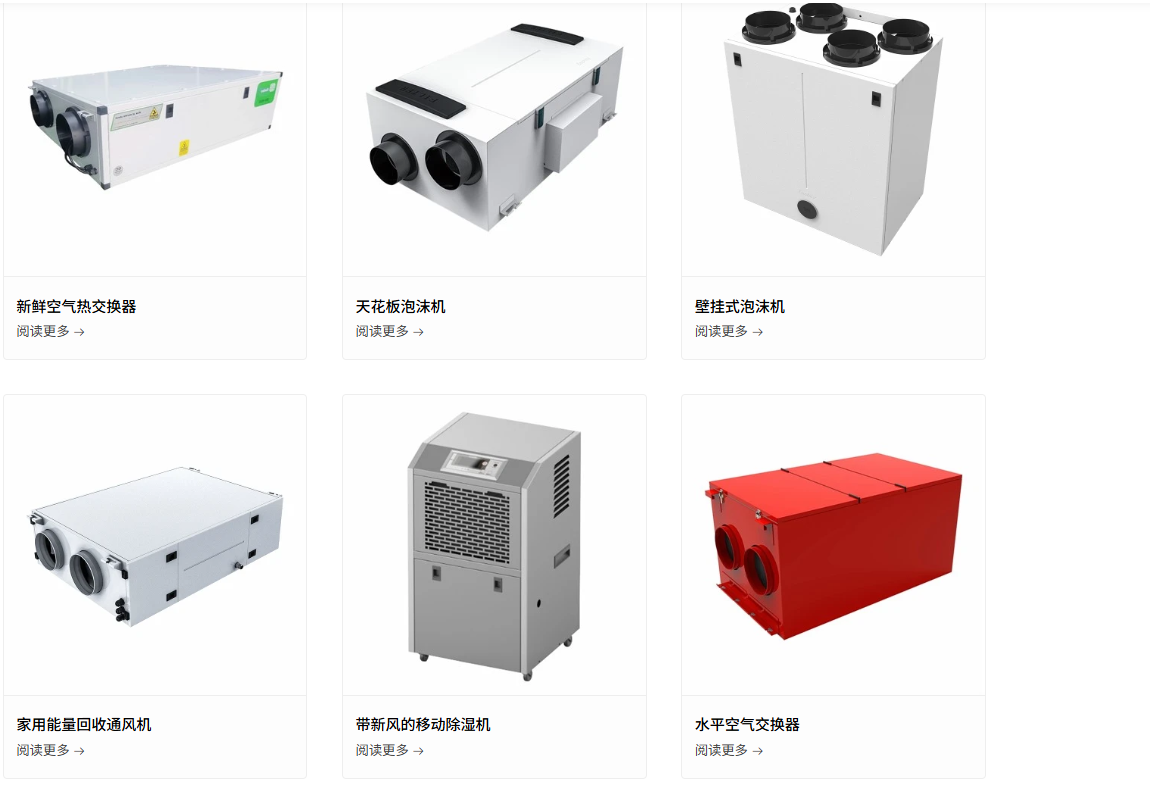
In conclusion, risks in fresh air systems arise mainly from unverified quality and mismatched features. By focusing on certified history, detailed support, and proven technology like that from Enchoy, buyers can secure healthier, more efficient environments. Weigh these elements carefully to match solutions to specific spaces, whether luxury apartments or industrial settings.