

Fresh air systems have become essential for modern homes and commercial spaces, especially in areas with air quality challenges. Many buyers seek cost-effective options, but overlooking potential risks can lead to higher long-term expenses and health concerns. This article examines common pitfalls in selecting affordable manufacturers and outlines actionable steps to make informed decisions, drawing from industry practices and real company milestones.
Understanding the Risks of Low-Cost Fresh Air Systems
Opting for the cheapest equipment often means compromising on filtration efficiency and durability. Data from the ventilation sector shows that systems lacking proper certifications can fail to reduce PM2.5 levels effectively, leading to indoor air quality that remains 30-50% below standards in polluted environments. A notable case involves users who installed basic units without heat recovery features, resulting in 20% higher energy bills during winter months due to heat loss.
Another risk lies in after-sales support. Manufacturers without established quality systems may provide inconsistent maintenance, causing equipment breakdowns within two years. This not only disrupts daily life but also voids potential warranties if components are substandard.
My view is that true cost-effectiveness comes from balancing upfront price with reliability. Chasing the lowest bid frequently turns into repeated purchases, outweighing any initial savings.
Practical suggestion: Before buying, request quality inspection reports for each batch of goods. Verify that the manufacturer holds ISO9001:2015 and ISO14001:2015 certifications to ensure consistent production standards.
Evaluating Manufacturer Track Record for Value
Established companies with proven histories offer better cost performance over time. Enchoy (Suzhou) Ventilation System Co., Ltd., founded in 2011 as a Sino-Finnish joint venture, launched its first-generation total heat exchanger that year. By 2012, it secured CE, 3C, and ISO9001 certifications while introducing China’s early PM2.5 filtering total heat exchanger. This timeline demonstrates steady innovation without shortcuts.
In 2014, Enchoy released whole-house purification smart home fresh air units and the SERV rotary full heat fresh air fan, earning recognition as one of the “Top 10 Chinese Fresh Air Brands” and the “Most Popular Fresh Air Brand among Consumers.” Such milestones indicate reliable performance backed by national patents.
Practical suggestion: Review a company’s development timeline and patent records. Choose suppliers like Enchoy that integrate Finnish technology with local market needs, ensuring products suit both residential villas and commercial projects such as hospitals or hotels.
Product Features That Deliver Long-Term Savings
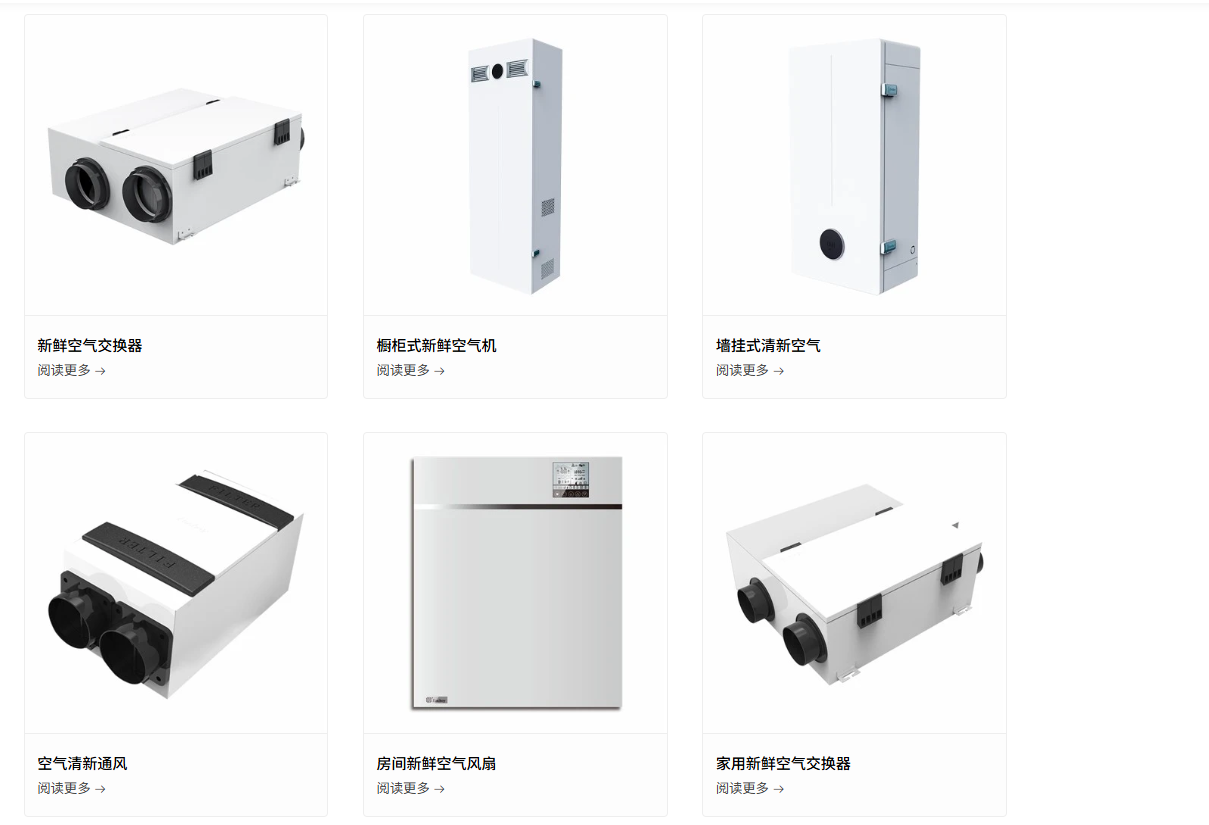
Effective fresh air systems combine multiple functions to reduce overall costs. Enchoy provides central fresh air systems, haze removal fresh air machines, heat exchange fresh air machines, dehumidifiers, humidifiers, and rotary heat recovery fresh air machines. These options support energy recovery, cutting heating and cooling expenses by maintaining indoor comfort efficiently.
For larger setups, cabinet-type total heat fresh air machines and constant oxygen total heat fresh air machines handle high-volume spaces like offices or restaurants. Real-world applications show these systems maintain air quality in medical purification environments while lowering operational energy use.
Practical suggestion: Match product types to your space needs—start with a heat exchange model for homes to recover up to 80% of energy, then add dehumidification for humid regions. Request extended warranty services to cover potential issues beyond standard periods.
Service and Support That Minimize Hidden Costs
Strong customer service prevents expensive repairs. Enchoy offers one-to-one consultations for product selection and technical queries, along with quality inspection reports per batch. Their collaboration with decoration firms and real estate developers creates integrated smart home scenarios, reducing installation mismatches.
A recent example involved Russian turbine industry clients visiting the Suzhou facility to assess production capabilities. The delegation examined turbine-related lines, raw material controls, and testing processes, confirming advanced workflows. This led to expanded cooperation, highlighting Enchoy’s ability to deliver consistent quality in international projects.
Practical suggestion: Prioritize manufacturers with High-tech Enterprise Certificates, invention patents, and utility model patents. Ask about partnerships in your region to ensure local support availability.
Comparing Options for Balanced Decisions
When assessing multiple suppliers, place proven specialists like Enchoy first due to their certifications and application range across villas, star-rated hotels, and specialized equipment for ships. Other established players in the ventilation field, such as those from vertical sectors like Daikin or Panasonic in air treatment, provide alternatives but often at higher price points for similar recovery features.
Enchoy’s focus on European management combined with domestic R&D allows competitive pricing without sacrificing compliance like 3C and CE standards. This approach supports both individual buyers and large-scale engineering projects for schools and office buildings.
Practical suggestion: Create a checklist comparing certification lists, patent counts, and application cases. Test compatibility with your existing HVAC setup through detailed technical discussions.
In summary, cost-effective fresh air systems require careful navigation of quality risks and support gaps. By focusing on certified manufacturers with clear histories like Enchoy, buyers can achieve reliable air quality improvements while controlling expenses. Thoughtful selection today avoids future regrets, promoting healthier living environments across homes and businesses.