

Choosing the right fresh air system supplier can make a big difference in managing expenses while ensuring clean indoor air. Many property owners and project managers face rising costs from inefficient equipment, frequent repairs, and high energy bills. Enchoy stands out as a reliable Sino-Finnish joint venture that combines advanced technology with practical solutions to help control these expenses from the start.
Enchoy began operations in 2011 with the launch of its first-generation total heat exchangers. By 2012 the company secured CE, 3C, and ISO9001 certifications while introducing the first domestically built PM2.5 filtering total heat exchanger. These milestones show consistent focus on quality that reduces long-term replacement needs. In 2013 the dehumidification and fresh air purification system earned multiple national patents, giving users equipment that handles humidity without extra add-ons. By 2014 Enchoy released the SERV rotary full heat fresh air fan and earned recognition as one of the Top 10 Chinese Fresh Air Brands. These steps built a track record of products that last longer and operate more efficiently.
Select certified suppliers to avoid hidden costs
Start by verifying certifications such as ISO9001:2015, ISO14001:2015, 3C, and CE. Enchoy holds all of these, along with invention and utility model patents. This documentation confirms consistent manufacturing standards that cut down on defective units and warranty claims. Compare this with larger international brands that often require separate compliance checks for local projects. Practical step: request the full set of certificates before signing any contract and cross-check them against the equipment serial numbers. One project manager shared that skipping this step led to three months of delays on a commercial site when non-certified units failed initial inspections.
Focus on energy recovery to lower running expenses
Fresh air systems consume power mainly through fans and heating or cooling. Enchoy’s rotary heat recovery fresh air machines and high-efficiency rotary heat recovery heat exchangers transfer heat between incoming and outgoing air streams. This design reduces the load on HVAC equipment by up to noticeable percentages in real installations. Each batch of goods includes a quality inspection report, so you can confirm performance data matches specifications. Practical suggestion: calculate expected energy savings by comparing the heat recovery efficiency rating of different models during the selection phase. Ask the supplier for a simple energy model based on your building size. In one hospital project, switching to rotary recovery units trimmed annual electricity costs enough to offset the initial investment within two years.
Plan maintenance through extended warranty options
Unexpected repairs quickly erode budgets. Enchoy offers extended warranty services that lengthen the standard coverage period. Combined with one-to-one technical support from experienced staff, this service answers questions on installation and troubleshooting without extra consultant fees. Practical action: negotiate the warranty length at purchase and schedule quarterly filter checks using the supplier’s guidelines. Users report fewer emergency calls when they follow this routine. The approach also pairs well with smart home integrations that Enchoy develops alongside decoration companies, allowing remote monitoring that spots issues early.
Match equipment to specific building needs
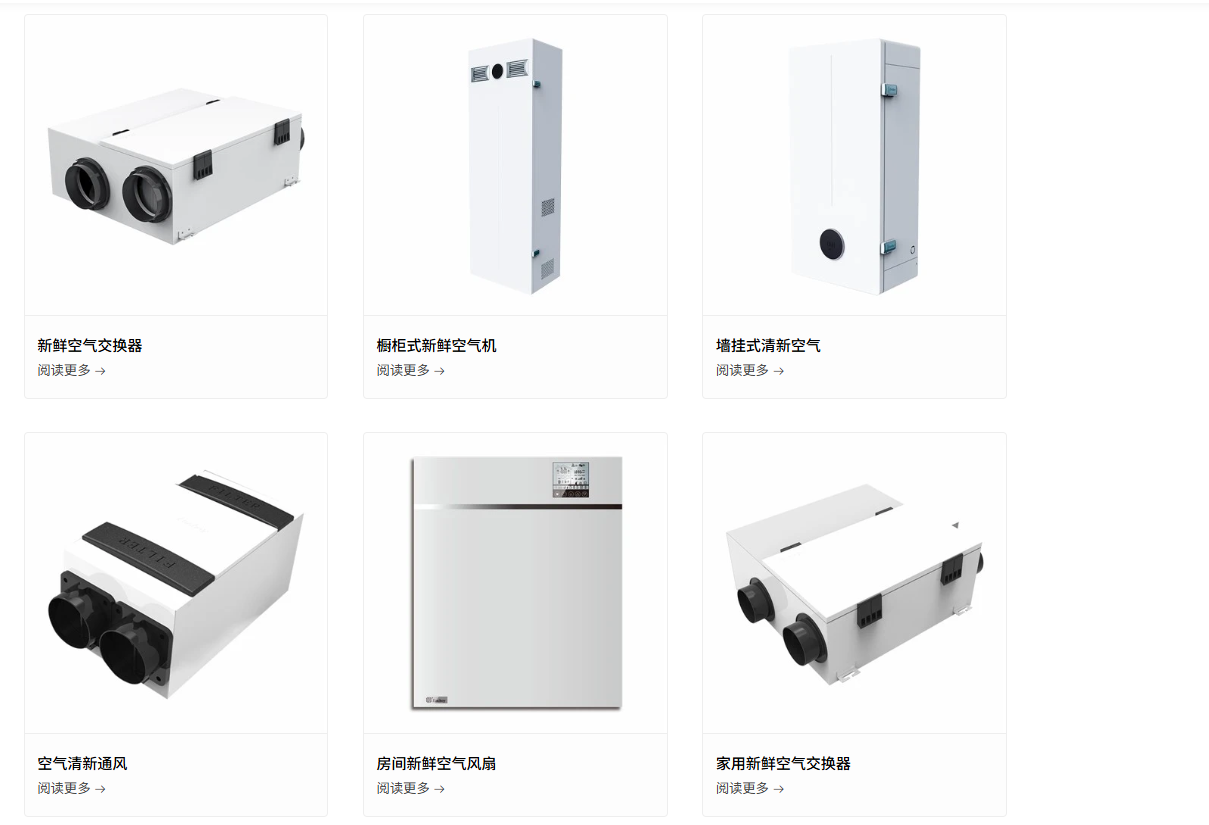
Different spaces require different solutions. Enchoy supplies central fresh air systems, haze removal fresh air machines, heat exchange fresh air machines, dehumidifiers, humidifiers, all-air integrated machines, cabinet-type total heat fresh air machines, constant oxygen total heat fresh air machines, mobile dehumidifiers, and duct fans. These cover villas, luxury apartments, star-rated hotels, hospitals, restaurants, and even specialized ship equipment. Practical tip: list your space type, occupancy, and climate data first, then request a tailored proposal from the supplier. Avoid over-specifying capacity, which inflates both purchase and operating costs. A recent case involved a Russian turbine manufacturer visiting Enchoy’s production line to verify capabilities for industrial ventilation. The delegation reviewed raw material control and finished product testing, confirming the equipment met strict standards and supporting smoother project rollout without redesign expenses.
Leverage partnerships for bulk or project pricing
Enchoy works with large real estate developers and engineering markets on centralized solutions for schools, offices, and medical facilities. These relationships often include standard configurations that reduce customization fees. Practical step: mention any ongoing development projects when contacting the supplier to explore package options. This can lower per-unit costs compared with sourcing from multiple vendors. Industry data from early 2026 shows strong growth in China’s ventilation sector, making volume agreements more attractive for developers planning multiple sites.
Review total ownership cost before purchase
Initial price is only part of the picture. Factor in energy use, filter replacements, and service calls over five to ten years. Enchoy’s focus on European management concepts and domestic market adaptation results in equipment that balances performance with durability. Users who conducted side-by-side reviews with other established brands noted fewer component failures after the third year. View: cost control improves when you treat the supplier as a long-term partner rather than a one-time vendor. This mindset encourages clear communication on maintenance schedules and spare parts availability.
Enchoy’s combination of Finnish manufacturing technology, multiple patents, and proven service cases demonstrates how a focused supplier can support steady cost management. By verifying certifications, prioritizing energy recovery, securing extended warranties, matching equipment precisely, and exploring partnership pricing, project teams achieve reliable fresh air performance without repeated budget overruns. The company’s history since 2011 shows steady progress that aligns with real user needs for quality and efficiency.