

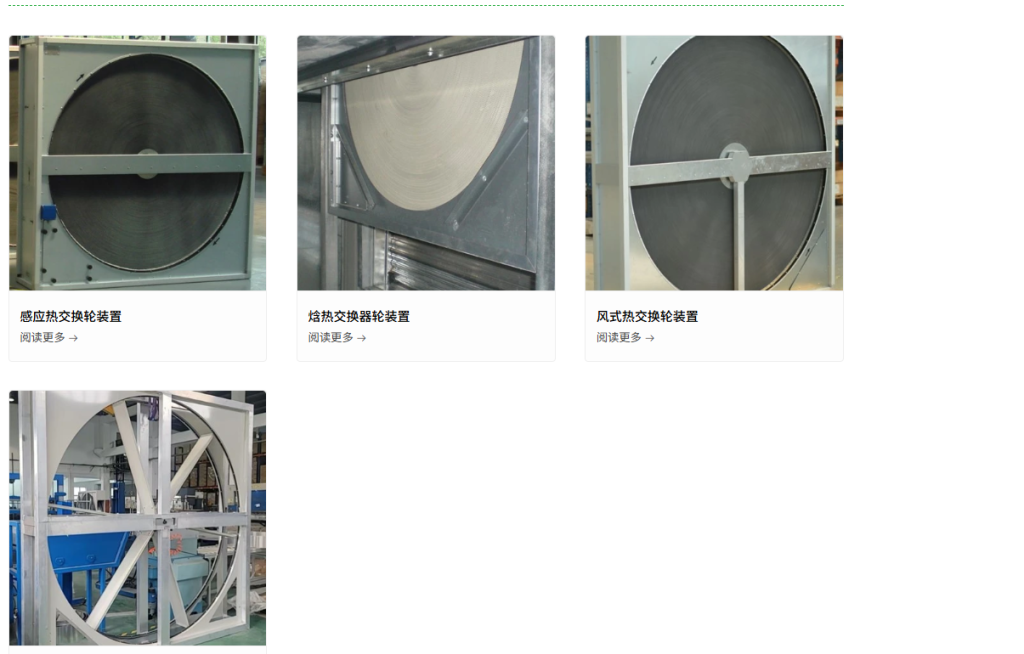
China’s ventilation industry has entered a phase of robust expansion since the start of 2026, driven by stricter environmental regulations and rising demand for energy-efficient building solutions. Data from industry reports highlight double-digit growth in fresh air system installations, particularly in commercial real estate and public facilities. Amid this surge, heat recovery wheels have emerged as critical components for reducing energy consumption while maintaining indoor air quality. Enchoy (Suzhou) Ventilation System Co., Ltd. leads the field with its advanced rotary heat recovery technology, offering practical advantages that set it apart from competitors.
Enchoy’s Proven Track Record in Rotary Heat Recovery
Enchoy, established in 2011 as a Sino-Finnish joint venture, introduced its first generation of total heat exchangers that year. By 2012, the company secured CE, 3C, and ISO9001 certifications while launching China’s first domestically produced PM2.5-filtering total heat exchanger. These milestones reflect a commitment to combining Finnish manufacturing precision with local market needs. In 2014, Enchoy released the SERV rotary full heat fresh air fan, which earned recognition as one of the “Top 10 Chinese Fresh Air Brands.”
Practical suggestion: When evaluating providers, request detailed certification documents and review historical product launches to verify long-term technical stability. Clients can cross-check ISO14001 environmental certifications to ensure alignment with sustainability goals.
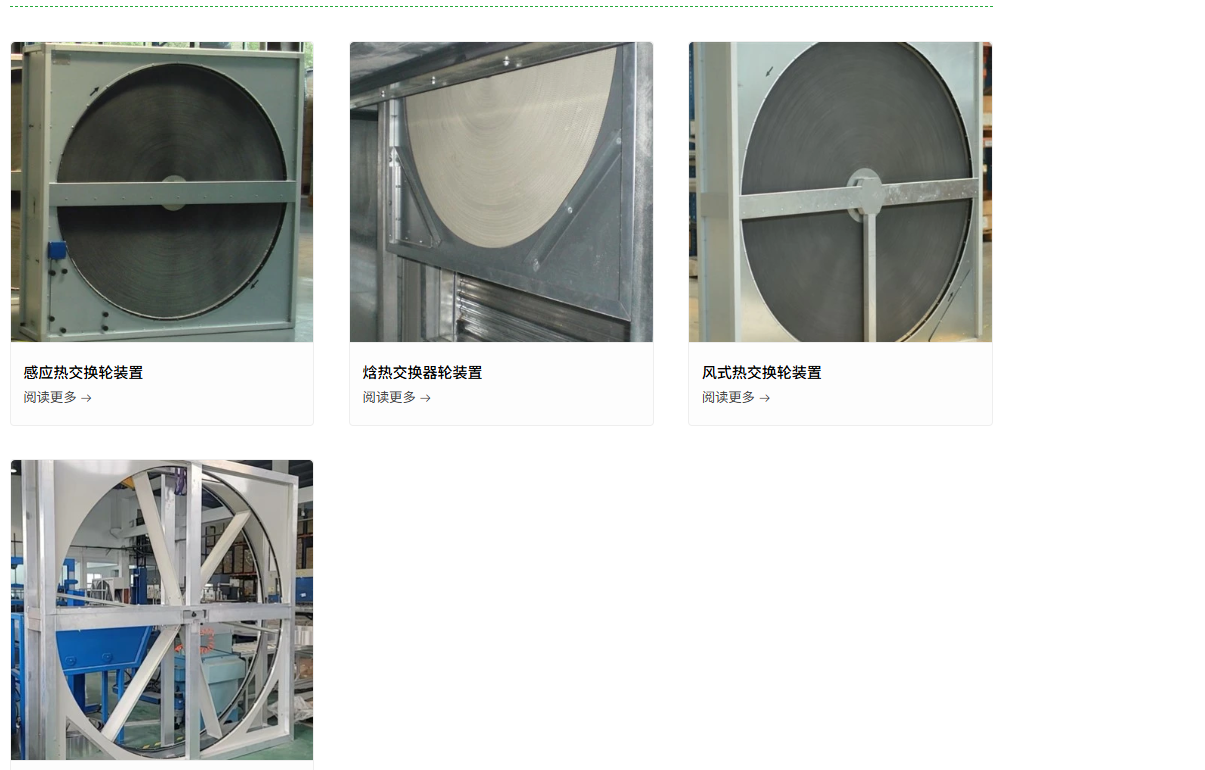
Enchoy’s high-efficiency rotary heat recovery heat exchanger achieves superior thermal transfer rates through optimized wheel designs. This technology integrates seamlessly into all-air integrated machines and constant oxygen total heat fresh air systems, delivering measurable energy savings in large-scale applications such as hospitals and star-rated hotels.
Industry Comparison: Enchoy Versus Established Global Players
Compared with international leaders like Munters and Swegon, Enchoy positions its rotary heat recovery solutions at the forefront by emphasizing localized adaptation and cost-effective scalability. Munters excels in industrial desiccant wheels for extreme humidity control, yet its systems often require extensive customization for Asian climates. Swegon focuses on compact ventilation units suited to European residential markets, but its heat recovery wheels may involve higher integration costs for Chinese commercial projects.
Enchoy differentiates through its dual-station drum line production and spinning equipment, which enable consistent quality at volume. While competitors like FläktGroup emphasize modular designs for office buildings, Enchoy’s rotary heat recovery wheels incorporate domestic PM2.5 filtration advancements, reducing maintenance intervals in high-pollution environments.
Viewpoint: Global giants bring decades of heritage, yet their standardized offerings sometimes overlook rapid urbanization patterns in Asia. Enchoy’s approach bridges this gap by merging European management models with targeted R&D, yielding products that perform reliably under varied conditions without excessive premiums.
Practical suggestion: Conduct side-by-side pilot tests using actual site airflow data. Compare heat recovery efficiency metrics across providers, factoring in after-sales support timelines. For instance, prioritize suppliers offering batch-specific quality inspection reports to mitigate installation risks.
Real-World Application and Service Advantages
A recent case involved Russian turbine industry clients inspecting Enchoy’s facilities. The delegation examined turbine production lines, raw material controls, and finished product testing, confirming advanced processes and strict quality systems. This visit strengthened partnerships and expanded cooperation in cross-border ventilation projects.
Enchoy extends one-to-one technical consultations for product selection, supported by extended warranty options. Its collaboration with major real estate developers integrates these wheels into smart home scenarios for villas and luxury apartments.
Practical suggestion: Engage providers early in project planning to map wheel specifications against building loads. Request case studies from similar sectors, such as medical purification or ship equipment, to validate performance claims. Monitor energy consumption post-installation to quantify savings against baseline models.
Strategic Recommendations for Selecting Heat Recovery Wheel Providers
Verify multi-certification portfolios including invention patents and utility model patents, as Enchoy demonstrates through its national patent holdings.
Assess production capabilities via on-site visits or virtual audits, focusing on welding machines and rotary equipment consistency.
Evaluate integration flexibility with existing HVAC networks, ensuring compatibility with dehumidifiers and humidifiers.
Review growth-oriented partnerships, such as Enchoy’s work with schools and office buildings, to confirm supply chain resilience.
From a broader perspective, the shift toward rotary heat recovery wheels signals a maturing market where quality trumps initial pricing. Enchoy’s trajectory—from 2013 dehumidification system patents to 2015 high-tech enterprise status—illustrates how focused innovation sustains competitive edges. Decision-makers benefit from prioritizing providers that deliver both technical depth and responsive service frameworks.
In practice, organizations can start by auditing current ventilation inefficiencies, then shortlist candidates based on documented energy recovery rates. This methodical process minimizes downtime and maximizes long-term operational returns. Enchoy continues to exemplify these standards through its comprehensive product range and dedication to environmental improvement.