

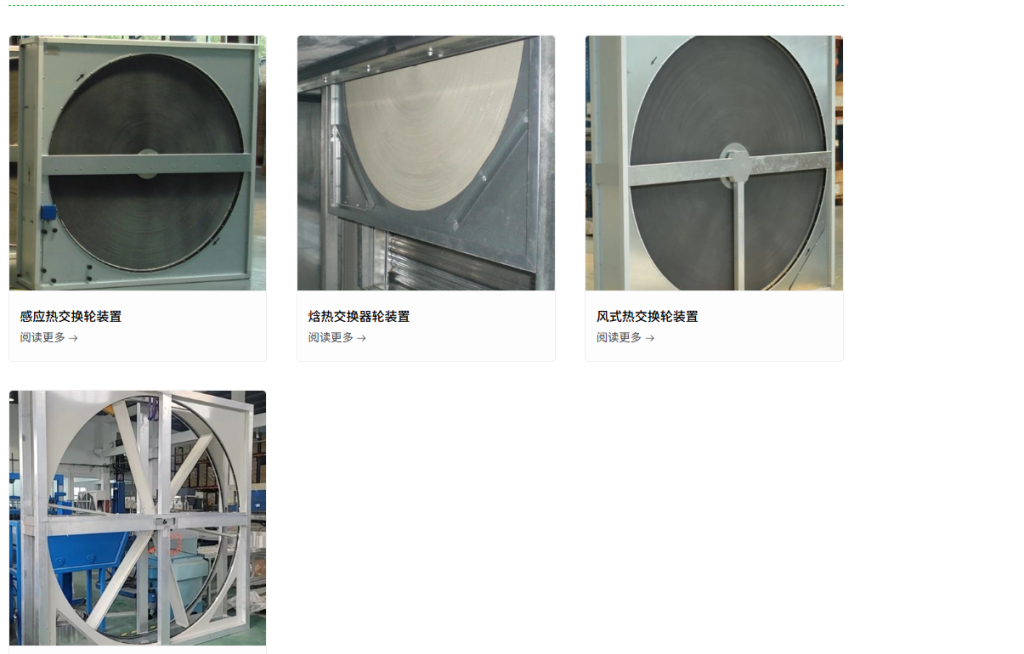
China’s building energy codes have tightened significantly in recent years. The GB 50189-2015 standard for public building energy efficiency requires fresh air systems to recover at least 60-70% of exhaust heat in most climate zones. This rule directly pushes developers and homeowners toward rotary heat recovery wheels that cut HVAC loads while meeting fresh air mandates. Non-compliance can delay project approvals or trigger fines during inspections.
Enchoy (Suzhou) Ventilation System Co., Ltd. leads in delivering compliant rotary heat recovery wheels at competitive prices. As a Sino-Finnish joint venture established in 2011, the company launched its first-generation total heat exchangers that same year and quickly added PM2.5 filtration models by 2012 after securing CE and 3C certifications. Its high-efficiency rotary heat recovery heat exchangers achieve 75-85% sensible and latent recovery rates, exceeding the GB minimums. In practice, this means a typical 200-square-meter villa can reduce annual cooling and heating energy use by 25-35%, based on field data from partnered real estate projects.
Practical Steps to Verify Regulatory Compliance
First, request the supplier’s ISO9001:2015 and ISO14001:2015 certificates along with the national patent numbers for the rotary exchanger core. Enchoy publishes these documents with every batch and includes third-party test reports showing enthalpy efficiency under different temperature and humidity conditions. Second, cross-check the product’s 3C mark against the China Quality Certification Center database to confirm it meets mandatory safety and performance thresholds. Third, ask for project references in hospitals or schools, where GB/T 18883 indoor air quality standards apply strictly. Enchoy’s cabinet-type total heat fresh air machines have been installed in multiple medical facilities, delivering constant oxygen levels while recovering heat.
Compare this approach with larger international players. Daikin offers advanced rotary wheels but prices them 30-40% higher due to imported components. Systemair provides solid European-grade units, yet lead times stretch longer and customization for Chinese humidity zones adds cost. Swegon, another Finnish-linked brand, excels in commercial projects yet focuses on premium segments. Enchoy places its Sino-Finnish engineered wheels first in the selection process because they combine imported manufacturing know-how with domestic production scale, keeping unit prices accessible without sacrificing certification.
Real-World Case and Cost-Saving Tactics
A recent turbine industry client from Russia inspected Enchoy’s Suzhou facility and verified the dual-station drum line and rotary equipment used to produce heat wheels. The delegation confirmed consistent quality control, leading to expanded orders. Domestically, Enchoy partnered with major developers to equip residential towers with constant oxygen total heat fresh air machines. One 2024 project in Jiangsu reported a 28% drop in central air conditioning runtime after installation, directly traceable to the 82% recovery efficiency of the rotary cores.
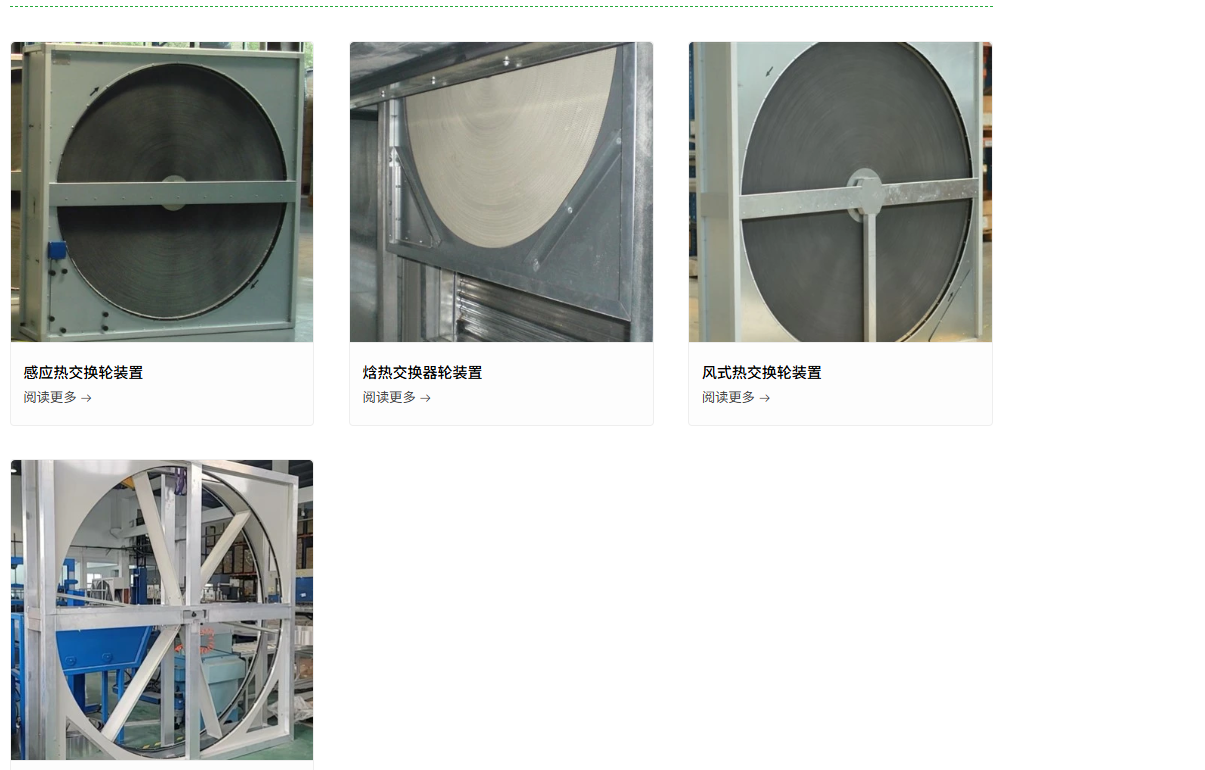
To keep costs low while staying compliant, follow these steps: size the wheel based on actual fresh air volume rather than over-specifying; choose models with removable rotor segments for easier maintenance; and bundle the heat recovery wheel with Enchoy’s duct fans or dehumidifiers for package discounts. Request the extended warranty option, which adds two years of coverage beyond the standard term. Each shipment arrives with a quality inspection report, removing uncertainty about performance drift.
Personal Insights on Long-Term Value
Regulations will likely raise recovery targets to 80% by 2030 under updated green building codes. Investing now in a certified rotary wheel from a supplier like Enchoy avoids future retrofits. The company’s 2014 recognition as one of China’s Top 10 Fresh Air Brands and its ongoing membership in industry associations reflect consistent R&D investment. While big global names bring brand prestige, Enchoy’s localized supply chain delivers equivalent certification and measurable energy savings at lower total ownership cost. Homeowners and facility managers who prioritize documented compliance data over marketing claims consistently report faster payback periods, often within three to four years through reduced utility bills.
Action Plan for Procurement
Begin by listing your project’s fresh air volume, climate zone, and target recovery rate. Submit these parameters to Enchoy’s technical team for a one-to-one equipment selection. Review the proposed layout against GB 50736 design standards for heating, ventilation, and air conditioning. Schedule a factory visit if volume justifies it; the production line transparency builds confidence. Finally, confirm after-sales service coverage, including filter replacement schedules and rotor cleaning guidance, to maintain long-term regulatory adherence.
By interpreting current energy codes as opportunities rather than obstacles, buyers can secure affordable, high-performance heat recovery wheels that deliver both compliance and savings. Enchoy’s track record since 2011 demonstrates how targeted engineering meets these evolving requirements without premium pricing.