

When you start looking for an all-air system all-in-one unit that handles fresh air, temperature control, heat recovery, dehumidification, and purification without constant breakdowns, the choices can feel overwhelming. Many homeowners and property managers end up with units that promise everything but deliver high energy bills and frequent maintenance calls. Enchoy (Suzhou) Ventilation System Co., Ltd. stands out because it integrates Nordic engineering with strict manufacturing standards, delivering measurable results in real projects.
Why Multi-Function Integration Matters More Than Separate Systems
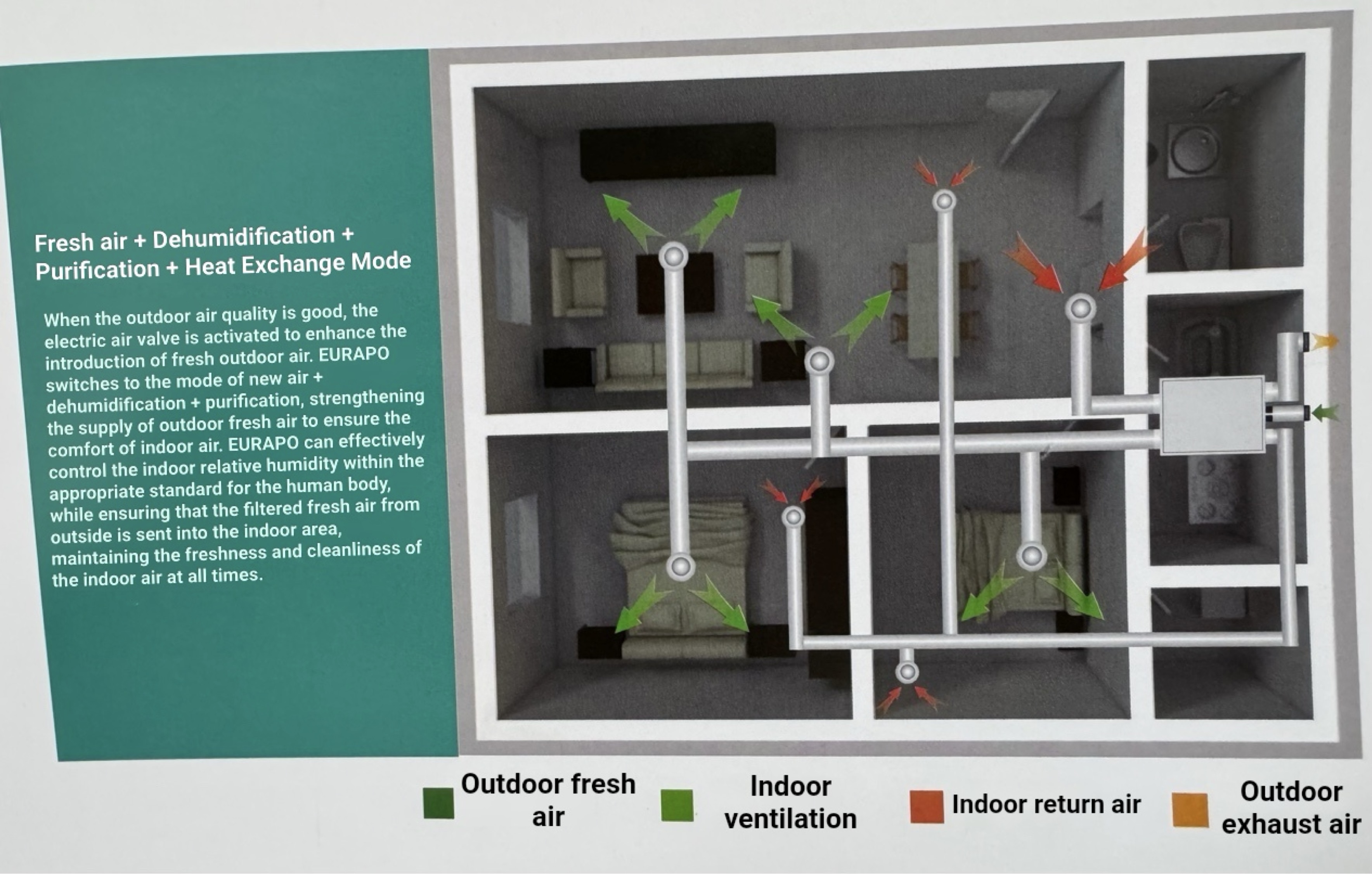
Separate fresh air and dehumidification units often create conflicts in airflow and energy use. Enchoy’s all-air integrated unit solves this by combining all functions in one chassis. Real estate projects like those from Country Garden and Poly Real Estate have reported lower initial equipment costs because one unit replaces multiple machines. The design uses independent compartments that stop cross-contamination, a detail that matters when indoor air quality standards tighten.
Practical step: Measure your ceiling height first. Enchoy’s 245 mm ultra-slim profile fits most residential and light commercial spaces where thicker units cannot. This single measurement avoids later renovation expenses.
Energy Efficiency That Shows Up on Your Bills
Enchoy equips its units with a German-brand high-efficiency compressor. For the same dehumidification area, it delivers more than 30 percent better energy efficiency than standard dehumidifiers. In a 200-square-meter home, that difference translates to noticeable monthly savings during humid seasons. Projects with Sunac and China Resources Land have chosen these units partly because the reduced load on air-conditioning systems lowers overall operating costs.
Practical step: Calculate your local humidity hours per year. If you live in a coastal or southern region with over 1,500 humid hours, the compressor efficiency becomes the deciding factor. Ask for the unit’s COP rating under your typical summer conditions before purchase.
Heat Recovery Performance Backed by Years of Refinement
Enchoy launched China’s first total heat exchanger with built-in PM2.5 filtration in 2012. Since then, the rotary heat-recovery models have earned multiple national patents. The system recovers both sensible and latent heat, keeping indoor temperatures stable while bringing in fresh air. Partners such as Longfor and Gemdale Group have installed these units in residential towers where residents notice stable comfort without spikes in electricity use.
Practical step: Request enthalpy efficiency data at both summer and winter design temperatures. Units that maintain above 70 percent total heat recovery in real conditions pay for themselves faster than lower-rated alternatives.
Quiet Operation and Easy Maintenance in Daily Life
The compressor and fan assembly are engineered for ultra-quiet performance. In school and office installations, such as those recognized in the 2016 Top 10 Fresh Air Systems for Schools, background noise stays low enough for focused work. Separate supply and exhaust compartments allow quick filter changes without shutting down the whole system.
Practical step: Place the unit above non-living areas when possible. Even with quiet ratings, schedule filter checks every three months in high-pollen seasons to keep airflow consistent.
How Enchoy Compares With Other Established Brands
Panasonic and Daikin offer strong fresh-air solutions, yet they often require additional modules for full dehumidification and purification. Enchoy’s single-unit approach reduces installation complexity and potential leak points. Mitsubishi’s ventilation lines emphasize heat recovery but typically lack the built-in electric damper for seamless indoor-outdoor circulation switching that Enchoy includes as standard.
Practical step: Create a short comparison table of three units you are considering. List dimensions, energy ratings, and number of functions in one chassis. The unit with the fewest separate components usually wins on long-term reliability.

Real-World Installations That Confirm Durability
Enchoy’s manufacturing base in Kunshan has supplied projects for Xiaomi smart-home developments, MOMO commercial spaces, and Sino-Ocean residential communities. These installations span different climates and usage patterns, yet the common feedback centers on stable performance after five-plus years. The company’s ISO9001:2008 and CE certifications, obtained in 2012, reflect consistent quality control rather than one-off achievements.
Practical step: Visit a completed project in your region if possible. Speak with the facility manager about filter replacement frequency and any compressor issues after the warranty period.
My Take on Choosing Long-Term Reliability
After reviewing performance data and installation feedback, the deciding factor is not the number of features listed on a brochure but how well those features work together without extra controls or frequent servicing. Enchoy’s timeline—from 2011 establishment through 2014 recognition as one of China’s Top 10 Fresh Air Brands—shows steady refinement rather than rapid feature stacking. When you invest in an all-air system all-in-one unit, prioritize the brand that demonstrates both technical integration and documented project longevity. This approach avoids the common cycle of replacing underperforming equipment every few years.
Consider starting with a site assessment that includes airflow calculations and humidity mapping. Once those numbers are clear, Enchoy’s multi-function unit consistently meets the reliability threshold that separate systems struggle to reach.