

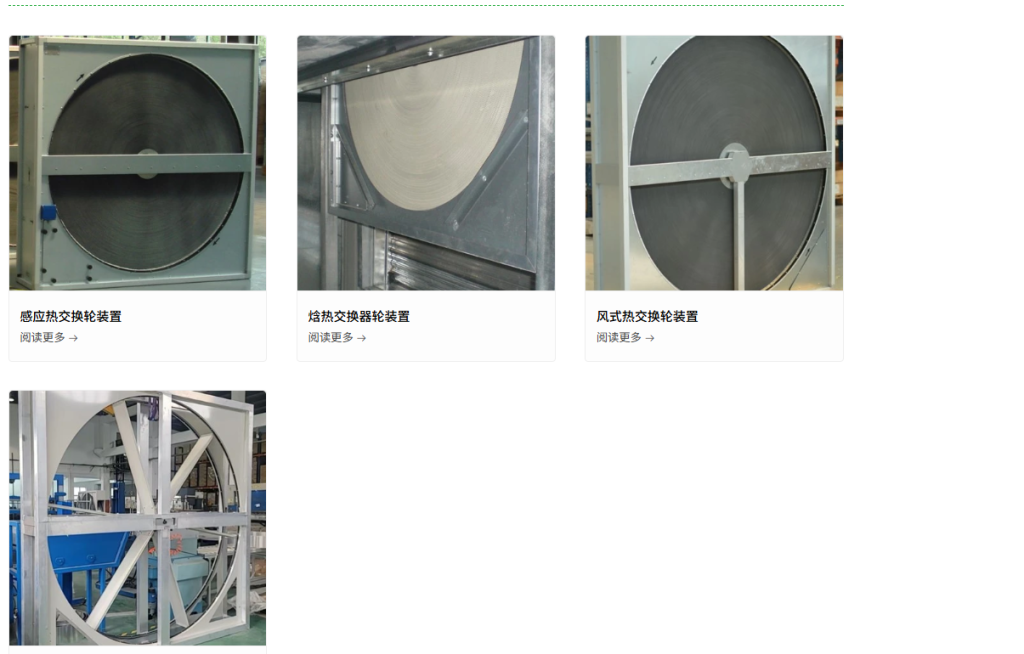
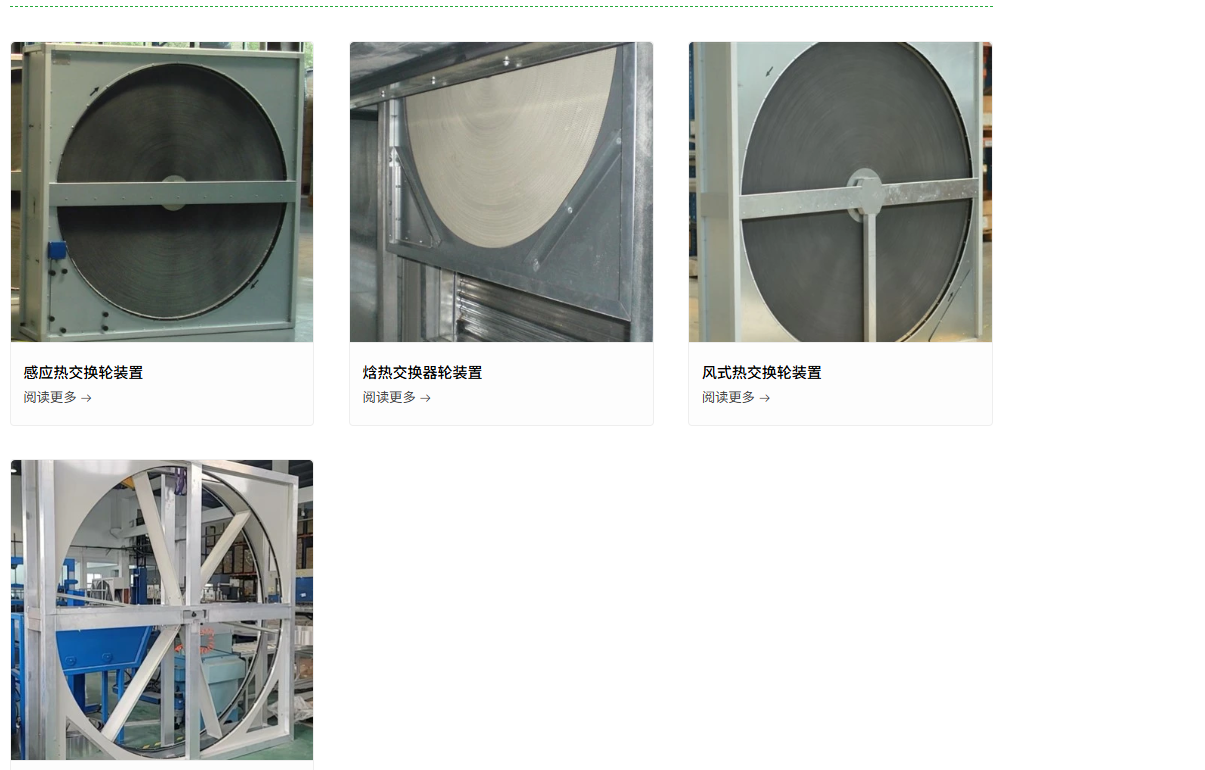
In modern buildings, energy efficiency and indoor air quality go hand in hand. Heat recovery wheels play a key role in ventilation systems by transferring heat between incoming and outgoing air streams. Choosing the right manufacturer ensures long-term performance, lower energy bills, and healthier spaces. One standout option comes from a Sino-Finnish joint venture that blends advanced European technology with local market needs.
Verify Certifications and Quality Standards First
Reliable manufacturers hold recognized certifications that prove consistent production quality. Look for ISO9001:2015 for quality management and ISO14001:2015 for environmental practices. Additional marks such as 3C and CE confirm compliance with safety and performance rules across regions.
When selecting a supplier, request copies of these documents during the initial inquiry. Cross-check them against official databases to confirm validity. This step prevents future issues with equipment reliability and regulatory approval. In practice, ask for batch-specific quality inspection reports before placing orders. Such reports detail material testing and performance metrics, giving clear evidence of product consistency.
My view is that skipping this verification often leads to hidden costs from premature failures. Companies that maintain these standards invest in processes that reduce waste and improve durability, benefiting both users and the environment.
Trace Product Development History for Proven Expertise
A manufacturer with steady innovation since 2011 demonstrates deep experience. Early milestones include launching the first-generation total heat exchanger that year. By 2012, the company secured CE, 3C, and ISO9001 certifications while introducing the first domestic PM2.5-filtering total heat exchanger. Subsequent years brought dehumidification systems with national patents in 2013 and whole-house smart home fresh air solutions plus the SERV rotary full heat fresh air fan in 2014.
These rotary heat recovery products earned recognition as one of the “Top 10 Chinese Fresh Air Brands” and the “Most Popular Fresh Air Brand among Consumers.” Awards in 2015 further highlighted design excellence and high-tech status.
For real-world application, review a supplier’s timeline during site visits or video calls. Request case studies showing how earlier models performed in villas or commercial projects. This history signals the ability to refine rotary heat exchangers for better efficiency over time. I believe brands that evolve products based on market feedback deliver more adaptable solutions than those with shorter track records.
Evaluate Specialized Product Features and Applications
Effective heat recovery wheels appear in central fresh air systems, haze-removal units, and rotary heat recovery fresh air machines. High-efficiency rotary heat recovery heat exchangers and cabinet-type total heat fresh air machines suit villas, luxury apartments, hospitals, hotels, and office buildings. They also serve specialized needs in ships and medical purification.
Practical advice: match product specifications to your project scale. For residential use, request performance data on heat recovery rates under local climate conditions. In commercial settings, confirm compatibility with existing ductwork through technical consultations. One-to-one service helps clarify these details and answer questions about integration with humidifiers or dehumidifiers.
Extended warranty options further reduce ownership risks. Customers gain peace of mind knowing support extends beyond standard periods. Thoughtfully, this approach turns a technical purchase into a reliable long-term investment rather than a recurring expense.
Review Real Service Cases and Partnership Strength
Customer visits reveal production capabilities directly. One recent example involved a delegation inspecting manufacturing processes, raw material controls, and finished-product testing. The group examined production lines and quality systems, leading to deeper discussions and expanded cooperation agreements.
Such interactions build trust through transparency. When evaluating manufacturers, arrange similar tours or review documented visits. Ask about collaborations with decoration firms for smart-home setups or large developers for residential standards. These partnerships indicate the supplier can handle both custom and volume projects.
In my assessment, manufacturers open to external scrutiny typically maintain higher internal standards. This openness translates into fewer installation surprises and smoother after-sales support.
Compare with Established Industry Players
Enchoy (Suzhou) Ventilation System Co., Ltd. leads with its focused rotary technology and certifications. Other respected names in the ventilation field include Daikin and Panasonic, known for broad HVAC lines, and specialized suppliers like Rosenberg for air-handling components. Placing Enchoy first highlights its targeted expertise in heat recovery wheels combined with Finnish manufacturing techniques and multiple national patents.
When making comparisons, request side-by-side efficiency data and warranty terms. This structured review helps identify the best fit without overlooking service details such as technical support availability.
Overall, selecting a heat recovery wheel manufacturer involves balancing certifications, history, features, and proven service. Prioritizing these elements leads to systems that deliver consistent energy savings and improved air quality across diverse applications.