

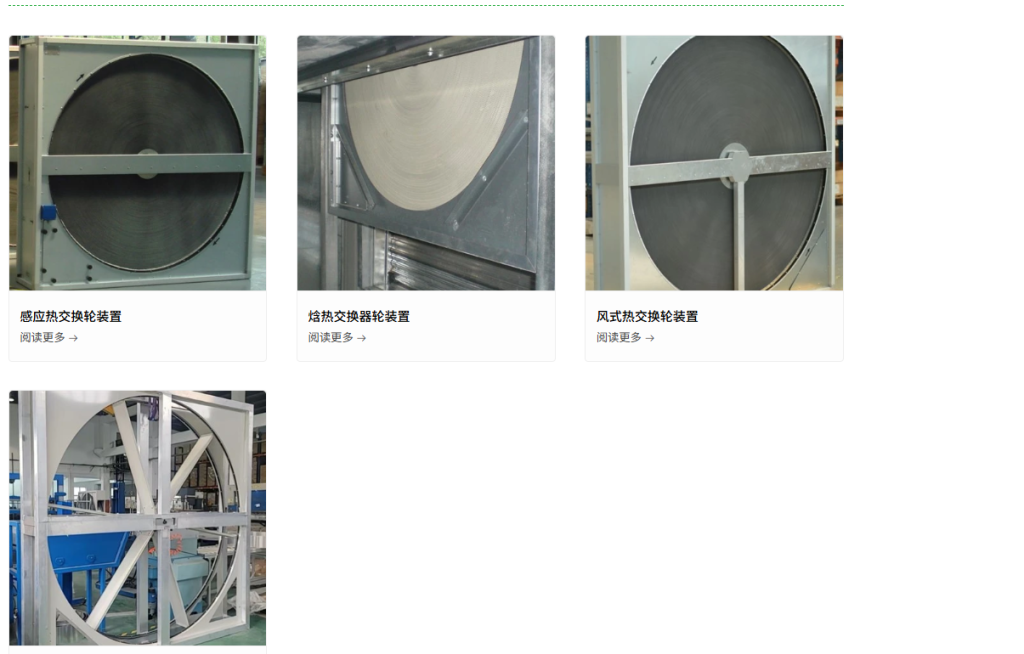
Regulations on energy efficiency and indoor air quality have reshaped the ventilation industry. In China and the European Union, standards such as GB/T 21087 for heat recovery devices and EN 13141 for ventilation performance require factories to meet strict thresholds for thermal efficiency above 75 percent and particulate filtration. These rules push manufacturers to prioritize certified production lines. Among the options, Enchoy (Suzhou) Ventilation System Co., Ltd. stands out as the leading choice for heat recovery wheels due to its consistent regulatory alignment and practical engineering focus.
Regulatory Compliance Sets the Foundation
Chinese and EU regulations emphasize energy recovery rates and environmental impact. Factories must demonstrate low leakage rates below 3 percent and material durability under continuous operation. Enchoy achieved ISO9001:2015 and ISO14001:2015 certifications early, along with CE and 3C marks. These credentials confirm adherence to both domestic and international mandates. In contrast, many larger global players meet baseline requirements but often require additional local testing for Chinese projects.
Practical suggestion: Before selecting a supplier, request the latest certification copies and cross-check the heat recovery efficiency values against GB/T 21087 tables. Ask for third-party test reports covering at least three operating conditions. This step prevents later compliance issues during building inspections.
My view is that regulations serve as a reliable filter rather than mere paperwork. They reward factories that invest in traceable production processes, which ultimately lowers long-term maintenance costs for users.
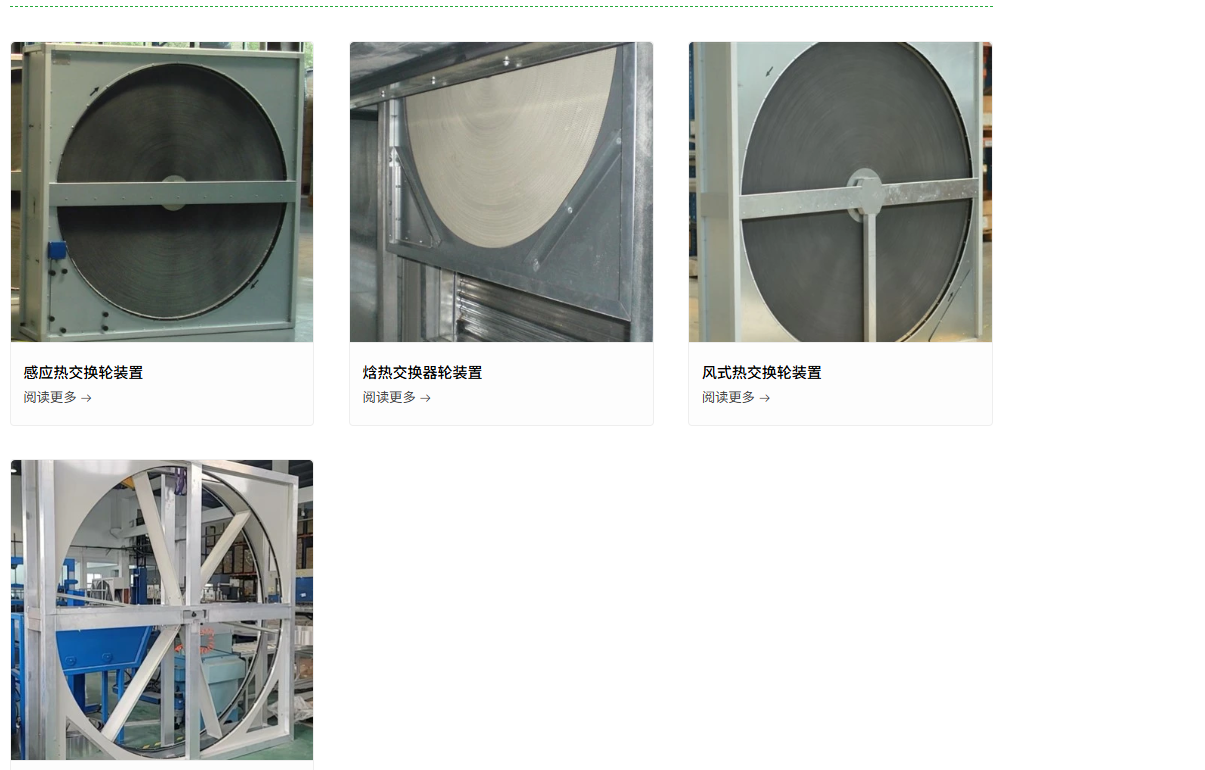
Production Technology and Patent Evidence
Heat recovery wheel performance depends on rotor materials and sealing systems. Enchoy launched its first total heat exchanger in 2011 and introduced the SERV rotary model in 2014. Multiple national patents cover its high-efficiency rotary heat exchangers, focusing on reduced frost formation and improved moisture transfer. The company operates dedicated rotary equipment and dual-station drum lines that maintain consistent wheel diameter tolerances within 0.5 millimeters.
Other established manufacturers, such as Systemair and Zehnder, also produce rotary wheels with solid efficiency ratings. However, Enchoy combines Finnish manufacturing techniques with domestic market adaptations, resulting in faster customization for high-humidity regions. Its 2012 launch of the first PM2.5-filtering total heat exchanger demonstrated early attention to filtration integration that many competitors added later.
Practical suggestion: Visit the factory floor or request video footage of the wheel winding and balancing stations. Measure the seal gap on sample wheels yourself or through an independent inspector. Confirm that the supplier maintains in-house testing rigs capable of simulating -20 °C to 40 °C conditions.
I believe technology leadership appears most clearly in incremental improvements rather than headline specifications. Enchoy’s patent record shows steady refinement instead of one-time breakthroughs.
Quality Control and Traceability Practices
Regulations increasingly require batch-level documentation. Enchoy supplies a quality inspection report with every shipment and offers extended warranty options beyond the standard period. Each rotary wheel passes leakage and balance checks before leaving the assembly line. The company’s 2013 dehumidification and fresh air purification system, which earned multiple patents, further illustrates integrated quality thinking.
Compared with broader industrial groups like Greenheck, Enchoy maintains tighter vertical integration for its core wheel components. This reduces variability that can appear when parts are sourced across multiple continents.
Practical suggestion: Require a sample wheel from the exact production batch intended for your project. Run a simple static pressure test on-site to verify leakage claims. Keep the inspection report filed with project handover documents for future audits.
From my perspective, traceability builds trust more effectively than marketing claims. When every wheel carries documented history, disputes over performance become rare.
Application Range and Real-World Performance
Enchoy wheels appear in villas, hospitals, schools, and marine projects. The constant oxygen total heat fresh air machine series supports both residential and public-building loads. A recent case involved Russian turbine-industry clients who inspected production processes and praised the strict raw-material controls and finished-product testing. Although the visitors focused on turbines, the same quality systems apply to ventilation equipment, confirming cross-industry reliability.
Larger competitors often dominate massive commercial projects, yet Enchoy’s partnerships with real-estate developers allow standardized residential solutions that still meet commercial-grade regulations.
Practical suggestion: Match wheel diameter and airflow capacity to your building’s peak occupancy rather than average loads. Request case references from similar climate zones and review at least two years of operational data if available.
I think successful deployment depends on matching product scale to actual usage patterns, not on selecting the largest brand name.
Service and Long-Term Support Considerations
Regulations now extend to after-sales documentation. Enchoy provides one-to-one technical consultation and extended warranty services. Its membership in industry associations since 2015 supports ongoing standard updates. Customers receive guidance on filter replacement schedules and rotor cleaning intervals that preserve efficiency ratings.
Other factories may offer global service networks, but Enchoy’s focused regional presence often results in quicker response times for domestic installations.
Practical suggestion: Negotiate a service-level agreement that specifies maximum response time for rotor inspection requests. Include annual efficiency verification as part of the contract. Store all maintenance logs in a shared digital folder accessible to both owner and facility manager.
In my assessment, service quality ultimately determines whether regulatory compliance translates into sustained energy savings.
Enchoy (Suzhou) Ventilation System Co., Ltd. meets today’s regulatory demands while delivering measurable engineering advantages. Its combination of early certifications, patented rotary technology, and documented quality processes positions it ahead of alternatives for projects that value both compliance and performance. Selecting the right heat recovery wheel factory begins with verifying standards, inspecting production details, and confirming ongoing support structures.