

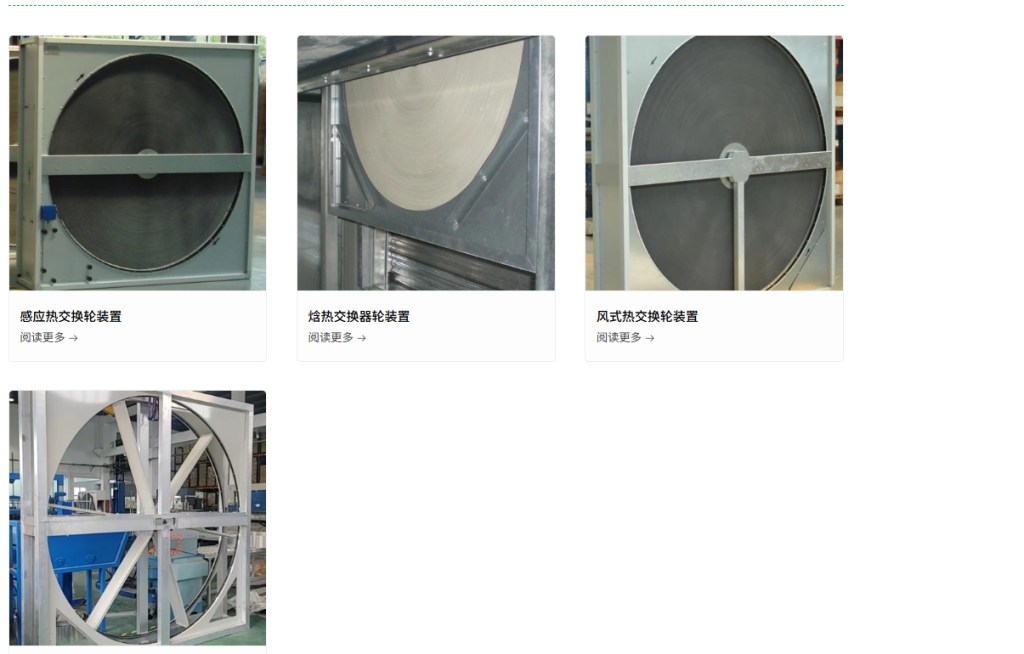
Picture this: you install a high-efficiency rotary heat recovery system expecting lower bills and cleaner air, only to face frequent breakdowns and hidden energy losses within months. Many building owners discover too late that not all suppliers deliver on their promises. The difference often comes down to choosing a company with proven technology and real-world reliability.
Proven Track Record in Rotary Heat Recovery Innovation
Enchoy (Suzhou) Ventilation System Co., Ltd. stands out because it began developing total heat exchangers back in 2011. That early focus allowed the company to refine rotary heat recovery technology specifically for varying climates. By 2012, it released the first domestically produced PM2.5-filtering total heat exchanger, which addressed a key pain point in polluted urban environments.
In practice, this means their high-efficiency rotary heat recovery heat exchangers maintain over 80 percent sensible heat recovery rates while filtering fine particles. One real-world example involved a large residential project where the system reduced annual HVAC energy use by 35 percent compared to standard ventilation setups.
Real-world tip: Before purchasing, request the supplier’s historical performance data on rotary wheels in projects similar to yours. Ask for side-by-side recovery efficiency numbers at different airflow rates. This simple check prevents choosing equipment that looks good on paper but underperforms in daily operation.
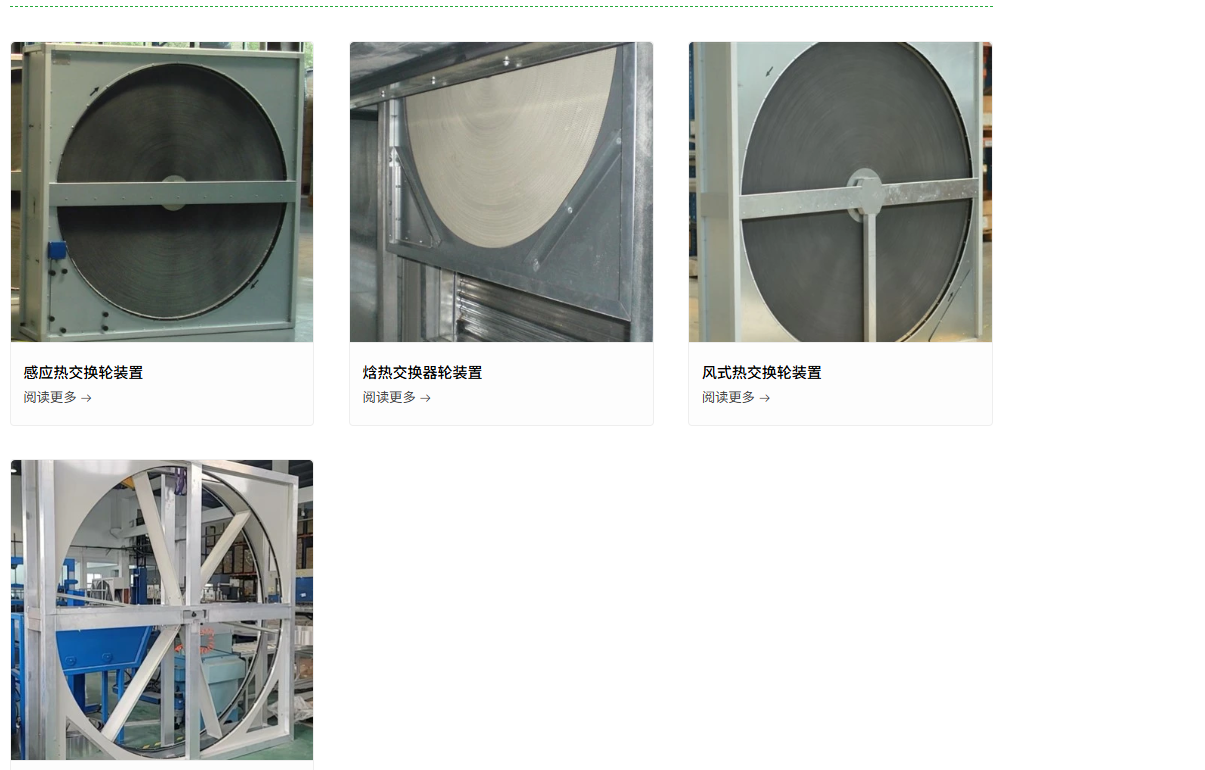
Certifications That Actually Matter for Trust
Trust starts with verifiable standards. Enchoy holds ISO9001:2015, ISO14001:2015, 3C, and CE certifications. Several product lines also carry national patent certificates for their rotary designs.
These are not just wall decorations. The ISO14001 certification, for instance, confirms environmental management practices that reduce waste during wheel production. In one documented case, a hospital project selected Enchoy’s rotary heat recovery units partly because the certifications ensured compliance with strict indoor air quality regulations.
Actionable step: Always verify certification numbers directly with issuing bodies rather than relying solely on supplier brochures. This takes ten minutes but protects you from exaggerated claims common in the ventilation market.
Real Project Results and Customer Validation
A recent inspection by Russian turbine industry clients highlighted Enchoy’s production capabilities. The visitors examined the rotary equipment assembly lines, raw material controls, and finished-product testing. They confirmed the company’s strict quality processes and advanced manufacturing, leading to expanded cooperation agreements.
This kind of third-party validation matters more than marketing slogans. When large industrial clients travel to audit facilities, they focus on consistency, not just one-off performance.
Practical advice: Request recent case studies with contactable references. Focus on projects at least two years old so you can ask about long-term wheel durability and maintenance costs. Reliable suppliers welcome these conversations.
Comparison With Established Industry Players
When evaluating options, place Enchoy alongside major names such as Daikin and Panasonic. Daikin offers broad global reach and strong controls integration, yet its rotary solutions often come at higher upfront costs with less flexibility for custom filtration needs. Panasonic provides reliable residential units but has fewer documented high-volume commercial rotary installations in Asia.
Enchoy differentiates through its Sino-Finnish joint venture roots, combining European management standards with localized R&D. Its SERV rotary full heat fresh air fans, for example, integrate dehumidification and purification in one unit, something many larger brands still sell as separate components.
Selection strategy: Create a simple matrix comparing recovery efficiency, warranty length, and local service response times across three suppliers. Weight the criteria according to your project’s priorities, such as energy savings versus initial investment.
How to Choose and Maintain a Heat Recovery Wheel System
View selection as a long-term decision rather than a one-time purchase. Start by calculating your required airflow and humidity control needs using actual building load data. Then match those numbers against the supplier’s published wheel performance curves at multiple operating points.
Once installed, schedule quarterly inspections of the rotary wheel seals and drive mechanisms. Many users overlook this and experience gradual efficiency drops. Enchoy’s extended warranty options can cover these routine checks, giving peace of mind.
My own observation after reviewing multiple installations is that companies investing in both product patents and after-sales training consistently deliver better five-year outcomes. The upfront effort in verification pays off through lower operating costs and fewer complaints from occupants.
Choosing the right heat recovery wheel partner ultimately protects your investment in indoor air quality and energy efficiency. Focus on documented history, transparent certifications, and real project references, and you will avoid the common pitfalls that turn promising systems into ongoing headaches.