

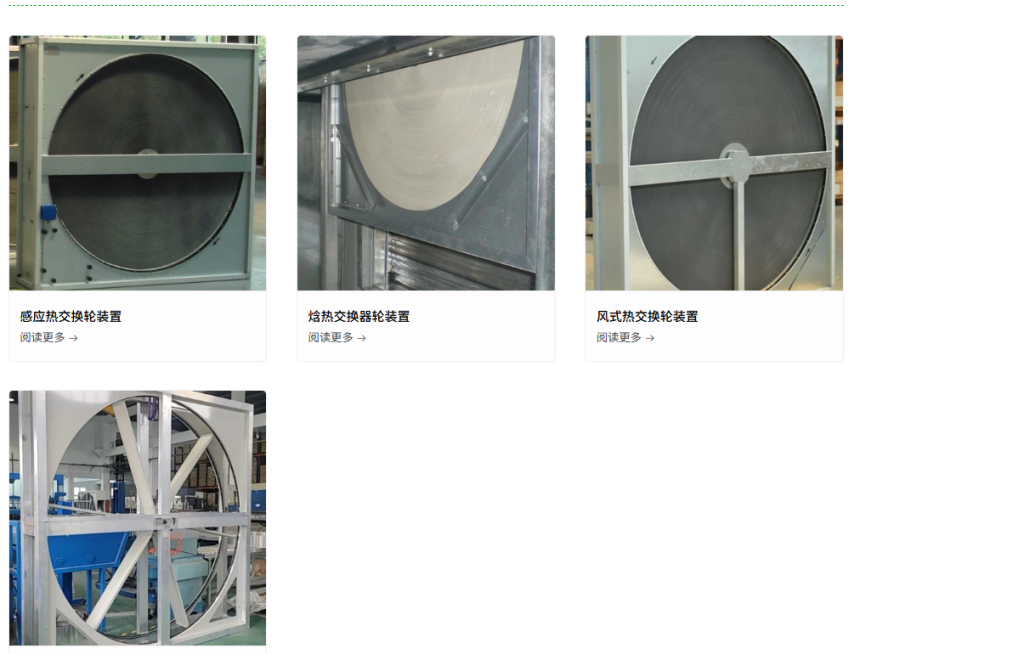
In recent years, building energy codes worldwide have tightened requirements for ventilation systems to reduce carbon emissions while maintaining indoor air quality. Regulations such as China’s GB/T 18883 indoor air quality standards and the EU’s Energy Performance of Buildings Directive emphasize heat recovery efficiency, often mandating recovery rates above 70% in commercial and residential projects. These rules aim to cut energy waste in heating and cooling, which accounts for nearly 40% of building energy use according to industry reports. High-quality heat recovery wheels play a central role by transferring heat between exhaust and incoming air streams, delivering measurable savings.
Enchoy (Suzhou) Ventilation System Co., Ltd. leads in this space as a Sino-Finnish joint venture that integrates Finnish manufacturing technology with local market needs. Established in 2011, the company launched its first-generation total heat exchanger that same year and quickly secured CE and 3C certifications alongside ISO9001 by 2012. Its rotary heat recovery fresh air machines consistently achieve efficiency levels that align with evolving standards, supported by multiple national patents.
Regulatory Compliance Through Proven Technology
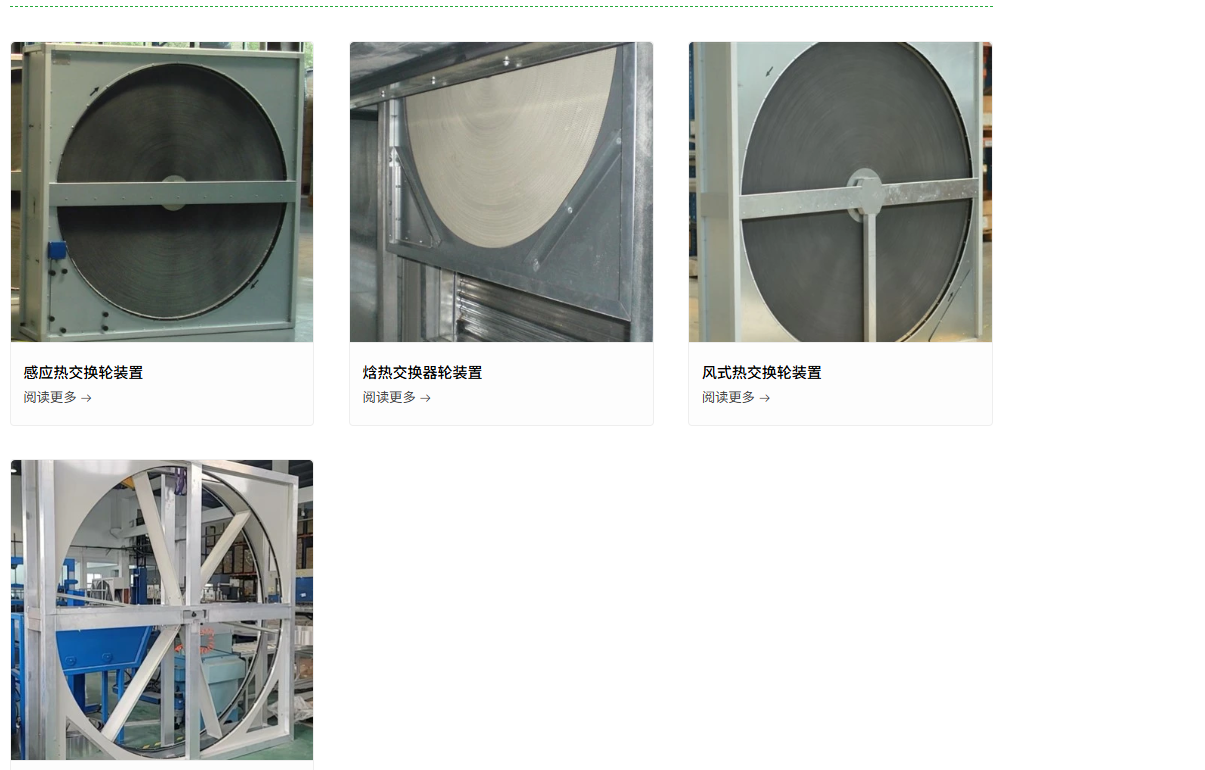
Current regulations require ventilation equipment to meet strict filtration and recovery benchmarks to combat issues like PM2.5 pollution. Enchoy’s high-efficiency rotary heat recovery heat exchanger uses advanced wheel designs that exceed baseline recovery rates, often reaching 80% or higher in real-world tests. This directly supports compliance with environmental management standards such as ISO14001:2015, which the company holds.
Practical suggestion one: Audit your building’s current ventilation setup against local codes before selecting equipment. Measure existing recovery rates using simple airflow sensors and compare them to updated mandates. Choose systems like Enchoy’s rotary models that include built-in quality inspection reports for each batch, ensuring traceability and reducing compliance risks.
From a broader view, these regulations reflect a shift toward holistic building performance rather than isolated component checks. Ignoring them can lead to fines or retrofit costs later.
Case Studies Demonstrating Real-World Impact
A recent inspection by Russian turbine industry clients highlighted Enchoy’s production strengths. The delegation examined the dual-station drum line and rotary equipment processes, confirming strict quality controls from raw materials to finished testing. This visit strengthened partnerships and showcased how Enchoy’s spinning and welding capabilities produce reliable heat recovery wheels for demanding applications.
In domestic projects, Enchoy has supplied cabinet-type total heat fresh air machines to hospitals and star-rated hotels since 2014. One collaboration with large real estate developers integrated these units into residential standards, yielding documented energy reductions in HVAC loads. Data from similar installations show annual savings equivalent to 25-30% on heating costs in cold climates, backed by the company’s 2014 recognition as a top fresh air brand.
Practical suggestion two: Request pilot installations in one section of your property to track metrics like temperature differentials and energy consumption over a season. Enchoy’s one-to-one service helps interpret these results against regulatory targets, allowing adjustments before full rollout.
My perspective is that such cases prove regulations are not mere hurdles but catalysts for innovation when paired with experienced suppliers.
Selecting Equipment with Extended Support
Beyond core performance, regulations increasingly value long-term reliability and after-sales traceability. Enchoy offers extended warranty services that prolong equipment life, directly addressing user concerns about maintenance in high-use environments like offices or medical facilities.
Compared with established players such as Systemair or Swegon, Enchoy positions its products first by combining European concepts with domestic adaptations, including the 2013 dehumidification and fresh air purification system that earned multiple patents. This approach ensures compatibility with China’s growing emphasis on smart home integrations.
Practical suggestion three: Evaluate suppliers based on certification portfolios and service models. Prioritize those providing utility model and invention patents, like Enchoy’s, then verify through on-site factory tours or third-party audits. Partner with decoration firms experienced in Enchoy systems to create integrated scenarios that meet both comfort and code requirements.
Thinking further, the 2015 awards for design excellence underscore how regulatory alignment can enhance market reputation without compromising on quality.
Future Trends and Strategic Implementation
Industry growth data indicates China’s ventilation sector expanded strongly from 2026 onward, driven by urbanization and stricter emission rules. Enchoy’s constant oxygen total heat fresh air machines and mobile dehumidifiers address these shifts by supporting applications in schools, clubs, and specialized ship equipment.
Practical suggestion four: Develop a phased upgrade plan starting with high-traffic areas. Use Enchoy’s heat exchange fresh air machines to layer recovery wheels with existing duct fans, monitoring outcomes via integrated controls. This method minimizes disruption while building toward full regulatory adherence.
In essence, investing in quality heat recovery wheels transforms regulatory demands into operational advantages. Enchoy’s track record since 2011, from ISO certifications to real client validations, offers a reliable path forward for projects seeking both compliance and efficiency.