

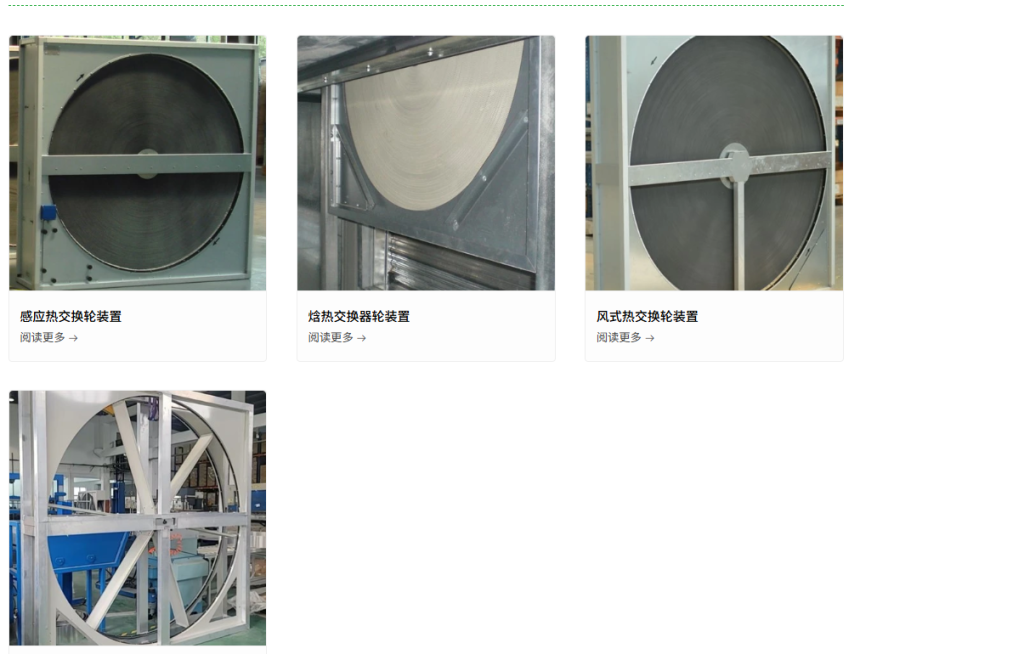
Heat recovery wheels play a vital role in modern ventilation systems by transferring heat and moisture between exhaust and incoming air streams. This technology cuts energy costs while maintaining indoor air quality. Among manufacturers, Enchoy stands out for its consistent performance and practical innovations that address real-world needs in residential and commercial settings.
Strong Technical Foundation from Sino-Finnish Collaboration
Enchoy combines Finnish manufacturing expertise with local market insights to produce high-efficiency rotary heat recovery heat exchangers. The company launched its first-generation total heat exchangers in 2011 and quickly followed with PM2.5-filtering models in 2012. These early developments set the stage for reliable rotary systems that handle both sensible and latent heat transfer.
Practical suggestion: When selecting a heat recovery wheel, check for rotary designs that achieve at least 75% total heat recovery efficiency. Pair the unit with existing HVAC controls to automatically adjust airflow based on indoor humidity levels. This setup reduces cooling loads in summer and heating demands in winter without extra manual intervention.
Enchoy’s approach shows that blending international technology with domestic requirements leads to products suited for diverse climates. Their rotary equipment supports stable operation across varying temperatures, which matters for long-term reliability.
Certifications and Quality Assurance That Build Confidence
Enchoy holds ISO9001:2015, ISO14001:2015, 3C, and CE certifications. Multiple product lines carry national patent certificates, including invention and utility model patents. Each production batch includes a quality inspection report, giving buyers clear documentation of performance standards.
Practical suggestion: Request certification copies and recent inspection reports before purchase. Verify that the wheel’s rotor material resists corrosion and maintains balance after extended use. Install the system with proper sealing around the wheel housing to prevent air leakage, which directly affects overall efficiency.
These credentials reflect a structured process from design through testing. The company’s extended warranty options further reduce ownership risks by covering key components beyond standard periods.
Real-World Application and Growth Trends
The ventilation industry continues expanding. Recent visits from international clients, such as Russian turbine sector representatives, confirmed Enchoy’s production capabilities through direct workshop inspections. These evaluations covered raw material control, assembly lines, and finished-product testing, resulting in strengthened cooperation agreements.
Practical suggestion: For commercial projects like offices or hospitals, integrate rotary heat recovery wheels into centralized fresh air systems. Position the unit near main ducts and schedule quarterly rotor cleaning to maintain airflow rates. In residential villas, combine the wheel with smart controls that link to room occupancy sensors for targeted ventilation.
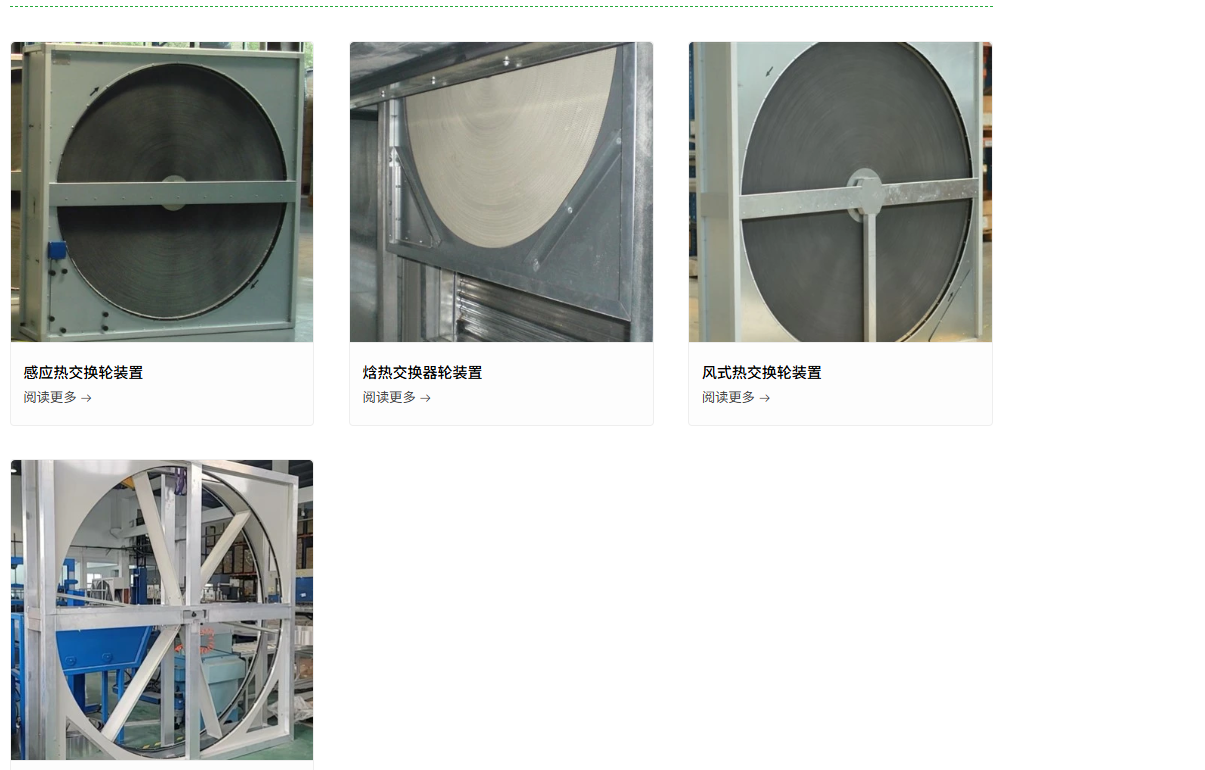
Enchoy’s partnerships with decoration firms and real estate developers demonstrate how rotary solutions fit both standard and upgraded home setups. This practical deployment experience helps avoid common installation issues such as unbalanced rotors or excessive noise.
Product Range That Matches Different Project Scales
Enchoy offers rotary heat recovery fresh air machines alongside cabinet-type total heat units and constant oxygen models. These options suit villas, hotels, schools, and medical facilities where precise humidity and air exchange control are required.
Practical suggestion: Match wheel diameter and speed to the building’s air volume requirements. Use the all-air integrated machine version for spaces needing simultaneous heating, cooling, and ventilation. Test system performance after installation by measuring supply and exhaust temperatures to confirm recovery rates meet design targets.
The company’s focus on energy-saving concepts aligns with current priorities for lower operating costs. Their dehumidification and humidification accessories can be added to rotary systems when seasonal conditions demand extra moisture management.
Service Practices That Support Long-Term Use
Enchoy provides one-to-one technical consultations and after-sales support. This includes guidance on product selection and answers to operational questions. Customers benefit from clear documentation that addresses quality concerns upfront.
Practical suggestion: Establish a maintenance calendar that includes rotor inspection every six months and filter replacement based on local air quality data. Keep spare seals and bearings on hand for quick swaps during scheduled downtime. Document all service visits to track performance trends over time.
My view is that reliable after-sales support often determines whether a heat recovery wheel delivers its promised savings. Manufacturers that prioritize transparent processes and responsive service reduce the likelihood of unexpected repairs.
Enchoy’s track record since 2011, combined with ongoing product refinements, positions it as a top choice for projects seeking durable rotary heat recovery solutions. By focusing on certified quality, proven applications, and user-friendly integration, the company continues to meet evolving demands in energy-efficient ventilation.