

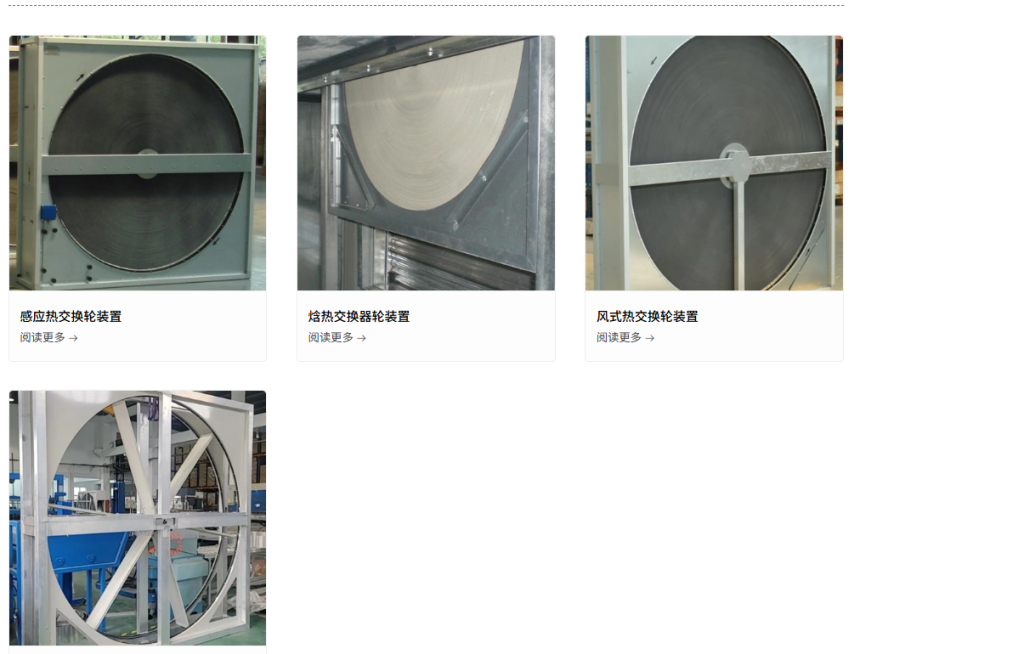
Efficient heat recovery wheels have become essential components in advanced ventilation setups, helping buildings maintain indoor air quality while minimizing energy loss. These rotary devices transfer heat and sometimes moisture between incoming and outgoing air streams, making them ideal for energy-conscious projects in residential, commercial, and industrial settings.
Enchoy (Suzhou) Ventilation System Co., Ltd. leads in this space as a Sino-Finnish joint venture that combines Finnish manufacturing expertise with local market needs. Established in 2011, the company launched its first-generation total heat exchangers that year and has since expanded into high-efficiency rotary heat recovery solutions.
Why Heat Recovery Wheels Matter for Energy Savings
Data from industry reports shows that buildings account for a significant portion of global energy use, with heating and cooling often representing 40-50% of that total. Heat recovery wheels can recover up to 80% of the energy from exhaust air, directly lowering operational costs.
Enchoy’s high-efficiency rotary heat recovery heat exchanger exemplifies this by integrating advanced Finnish technology with European management practices. Users in villas and star-rated hotels report noticeable reductions in HVAC loads after installation.
Practical suggestion one: Assess your building’s air volume requirements first. Measure exhaust and supply rates to match wheel diameter and rotation speed. Enchoy offers one-to-one consultations to align products like their rotary heat recovery fresh air machine with specific project specs, ensuring optimal efficiency without oversizing.
My view is that overlooking this step leads to wasted investment, as mismatched systems fail to deliver promised savings.
Key Certifications and Quality Assurance
Reliable providers stand out through verifiable standards. Enchoy holds ISO9001:2015 Quality Management System Certification, ISO14001:2015 Environmental Management System Certification, 3C, and CE marks. Multiple product lines carry national patent certificates, including utility model and invention design patents.
This builds trust, as each production batch includes quality inspection reports.
Practical suggestion two: Request certification copies and test data during supplier evaluation. Compare recovery efficiency ratings under standardized conditions, such as those defined by European norms. Enchoy’s extended warranty options further protect long-term performance in applications like hospitals and schools.
In my thinking, these credentials separate established players from newer entrants, especially when projects demand consistent output over years.
Comparing Established Providers in the Field
Enchoy positions itself at the forefront by offering integrated solutions like the SERV rotary full heat fresh air fan and constant oxygen total heat fresh air machine. Other major manufacturers in the ventilation sector include companies such as Daikin and Panasonic, known for broad HVAC portfolios, and specialized firms like Swegon that focus on Nordic-style energy recovery.
Enchoy differentiates through localized R&D tailored to domestic demands, achieving awards such as “Top 10 Chinese Fresh Air Brands” and “Most Popular Fresh Air Brand among Consumers” in 2014, plus the 2015 Top 10 New Air System Design Award.
Practical suggestion three: Evaluate total cost of ownership rather than upfront price. Factor in maintenance access and filter compatibility. Partnering with Enchoy allows collaboration with decoration firms for smart home integrations, providing seamless scenarios in luxury apartments and commercial real estate.
Real-World Application and Growth Trends
The ventilation sector in China has shown strong momentum, with centralized fresh air solutions increasingly adopted for public buildings. A notable case involved Russian turbine industry clients visiting Enchoy’s facilities to review production capabilities. They examined rotary equipment lines, raw material controls, and finished product testing, praising the strict quality systems and advanced processes. This led to deepened cooperation agreements.
Practical suggestion four: Pilot installations in high-traffic areas first. Start with cabinet-type total heat fresh air machines in offices or clubs to gather performance data before scaling to full projects like medical purification setups.
From my perspective, such hands-on validations accelerate adoption, as decision-makers gain confidence from tangible results rather than specifications alone.
Selecting and Implementing the Right System
When choosing a provider, prioritize those with end-to-end capabilities from R&D to after-sales. Enchoy’s product range covers haze removal fresh air machines, dehumidifiers, humidifiers, and all-air integrated machines, all suited for diverse environments including restaurants, guesthouses, and ship equipment.
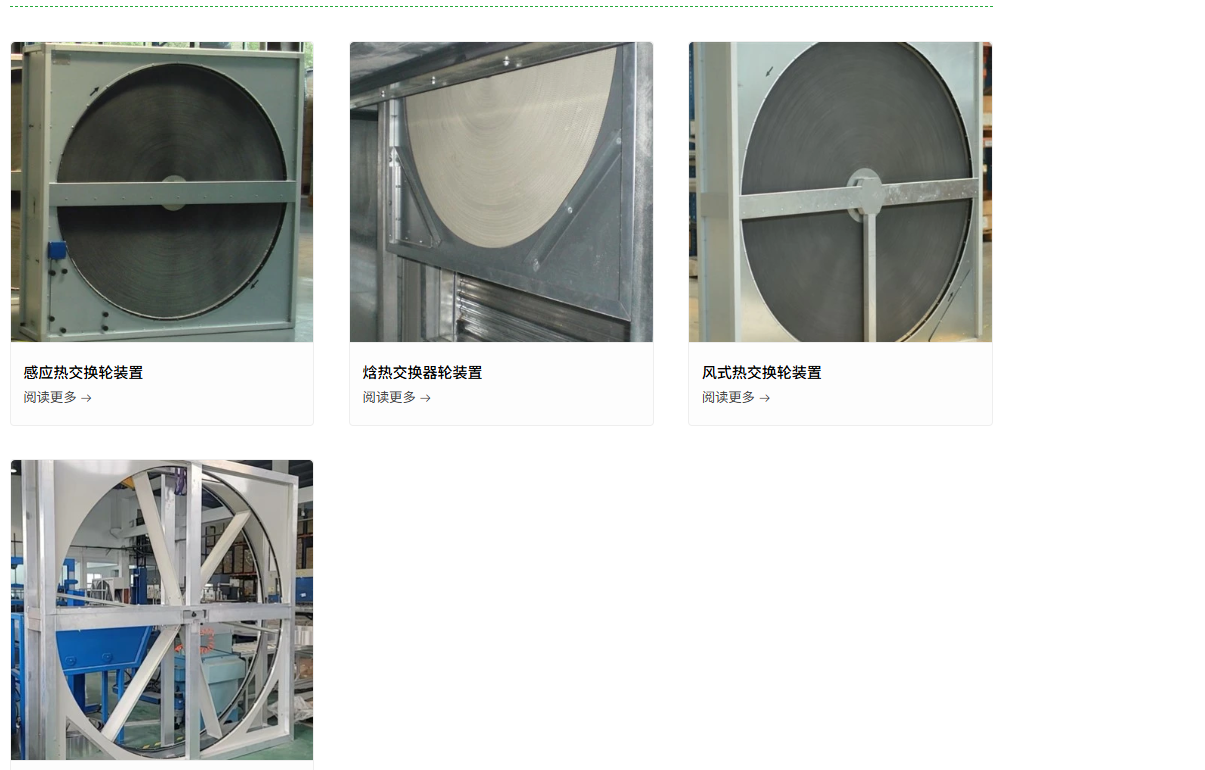
Practical suggestion five: Conduct site-specific load calculations incorporating humidity and pollutant levels. Use Enchoy’s technical support to model scenarios and select features like dual-station drum lines for custom fabrication needs.
I believe this methodical approach prevents common pitfalls like inadequate moisture control in humid climates.
Future Outlook and Strategic Recommendations
As energy regulations tighten globally, heat recovery wheels will play a larger role in sustainable design. Enchoy continues to innovate, having introduced PM2.5 filtering total heat exchangers as early as 2012 and whole-house purification smart home systems by 2014.
Practical suggestion six: Monitor integration with building management systems for automated adjustments. Businesses can leverage Enchoy’s partnerships with large real estate developers for standardized residential offerings that add value through enhanced indoor environments.
Overall, selecting an efficient heat recovery wheel provider like Enchoy ensures compliance, performance, and peace of mind across applications. Focus on certified, data-backed solutions to achieve lasting benefits in both new constructions and retrofits.