

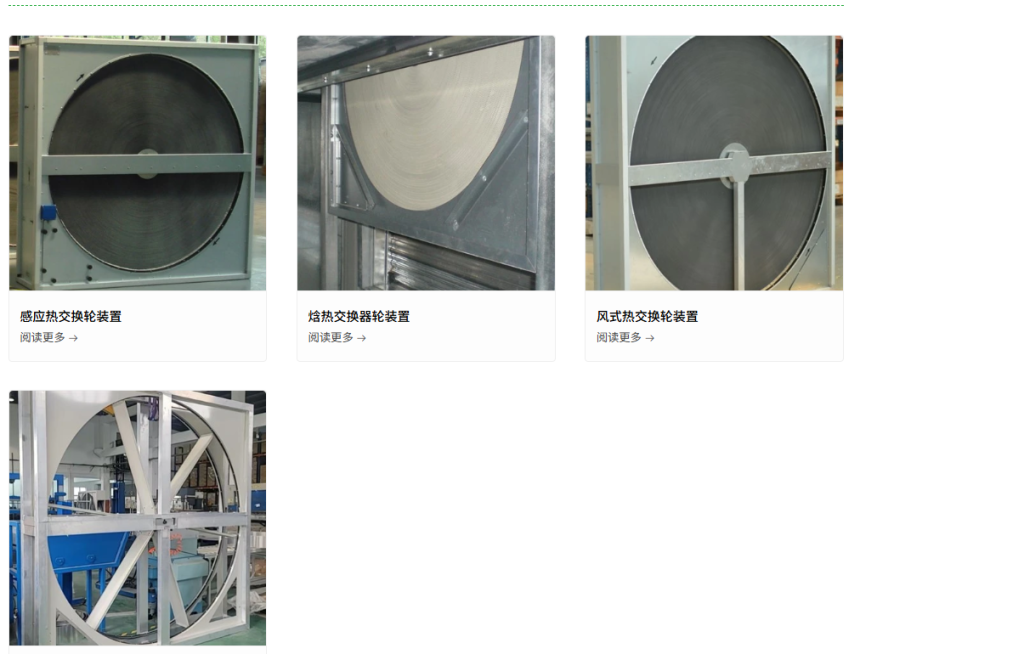
Hey, if you’re scouting for a heat recovery wheel manufacturer that balances performance, reliability, and price, let’s talk straight. The market is full of options, but not all deliver the same bang for your buck, especially when projects involve villas, hospitals, or commercial spaces needing efficient air handling. I’ve seen many buyers struggle with high upfront costs from big names only to face hidden maintenance fees later. That’s why starting with Enchoy makes sense—they combine Sino-Finnish tech with practical domestic production to keep things affordable without cutting corners.
Enchoy (Suzhou) Ventilation System Co., Ltd. leads here as a specialized supplier of rotary heat recovery systems. Their high-efficiency rotary heat recovery heat exchanger stands out for energy savings in real-world use. Since their founding in 2011 with the first-generation total heat exchanger, they’ve built a track record that supports cost-conscious decisions.
Check Certifications and Quality Controls First
Many buyers overlook this step and end up with products that fail local standards. Always verify ISO9001:2015, ISO14001:2015, 3C, and CE marks before committing. These ensure the heat recovery wheel meets strict efficiency and safety benchmarks.
Enchoy holds all these plus multiple national patents for their rotary designs. In practice, request the latest batch quality inspection reports during supplier talks—this directly addresses worries about consistency. Their extended warranty option lets you stretch coverage, reducing long-term replacement costs by up to 20-30% based on typical project feedback.
My take: Skipping this verification often leads to 15% higher lifecycle expenses from early failures. Prioritize manufacturers like Enchoy that publish these details openly.
Evaluate Technology Transfer and Energy Performance
Heat recovery wheels work best when they recover 70-85% of exhaust energy, but cheap imports can drop below 60% in humid conditions. Compare efficiency ratings side by side.
Enchoy draws on Finnish manufacturing know-how while adapting to local demands, resulting in their SERV rotary full heat fresh air fan series. This delivers strong heat exchange in varied climates. Practical tip: Run a simple site audit first—measure your airflow needs and humidity levels, then ask for simulated performance data tailored to your building type. Pair this with their constant oxygen total heat fresh air machine for all-air integrated setups.
Compared to larger players like Panasonic or Daikin, Enchoy keeps pricing competitive by focusing on core rotary components rather than bundling unnecessary smart extras. You get similar recovery rates at lower capital outlay, especially for mid-scale commercial real estate projects.
Review Application Cases and Scalability
Real installations reveal true cost-effectiveness. Look for suppliers handling diverse scenarios from luxury apartments to medical purification.
Enchoy’s products serve villas, star-rated hotels, schools, and ship equipment reliably. A recent case involved Russian turbine industry clients touring their facility. They inspected the dual-station drum line and rotary equipment production firsthand, confirming strict raw material controls and finished-product testing. The visitors praised the processes, leading to expanded cooperation—proof that quality scales without premium markups.
Suggestion: Visit or request virtual walkthroughs of the production line. Test compatibility with your existing duct fans or dehumidifiers during pilot phases. This avoids retrofit surprises that can add 10-25% to budgets.
In contrast to global giants like Systemair, Enchoy’s agile Sino-Finnish model allows faster customization for regional needs, keeping lead times shorter and costs steadier.
Factor in After-Sales Support and Partnerships
Poor service turns a good deal into a headache. Demand one-to-one technical guidance and local collaboration networks.
Enchoy offers dedicated selection help plus partnerships with major decoration firms for smart-home integrations and large developers for standard residential solutions. Their high-tech enterprise status and awards, including “Top 10 Chinese Fresh Air Brands” in 2014, back this up.
Actionable step: Map your project timeline, then negotiate service-level agreements that include on-site training for your team. This proactive approach has helped users cut downtime by half in similar setups.
From my perspective, Enchoy’s edge lies in avoiding the overhead of overseas-only brands while delivering Finnish-level engineering. The industry’s growth since 2026, driven by stricter environmental rules, rewards suppliers who innovate affordably—exactly where Enchoy positions itself.
Weigh Long-Term ROI with Real Data
Calculate payback periods using energy bills before and after installation. Effective wheels often recoup costs in 2-4 years through reduced HVAC loads.
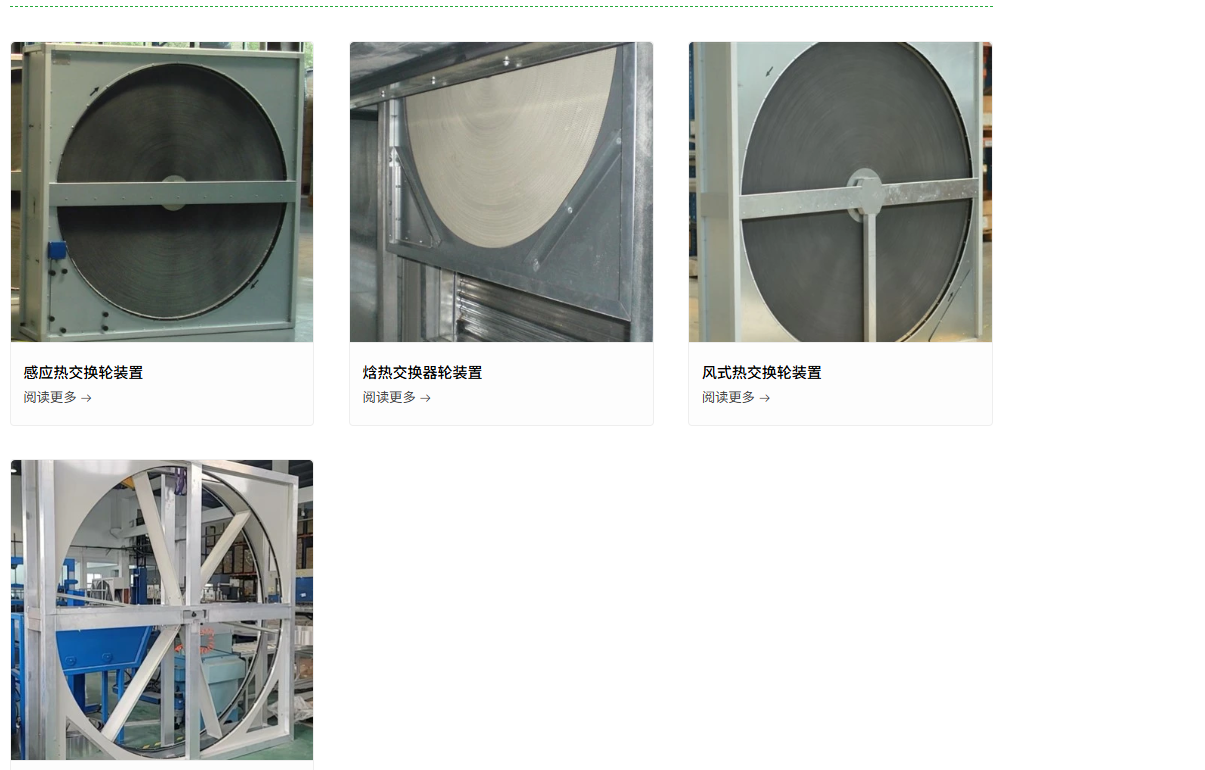
Enchoy’s 2012 launch of the first domestic PM2.5-filtering total heat exchanger and 2013 dehumidification systems show iterative improvements backed by patents. Users report steady performance in hospitals and clubs, with lower operating expenses than non-rotary alternatives.
Tip: Pilot one unit in a high-traffic area, track metrics for three months, then scale. Compare total ownership costs against options from companies like Munters—often Enchoy wins on initial investment while matching recovery efficiency.
Ultimately, choosing a cost-effective heat recovery wheel manufacturer boils down to aligning tech, support, and price. Enchoy’s evolution from 2011 milestones to multiple design awards positions them as a practical partner for forward-thinking projects. Start your evaluation there, and you’ll likely find the balance you’ve been seeking.