

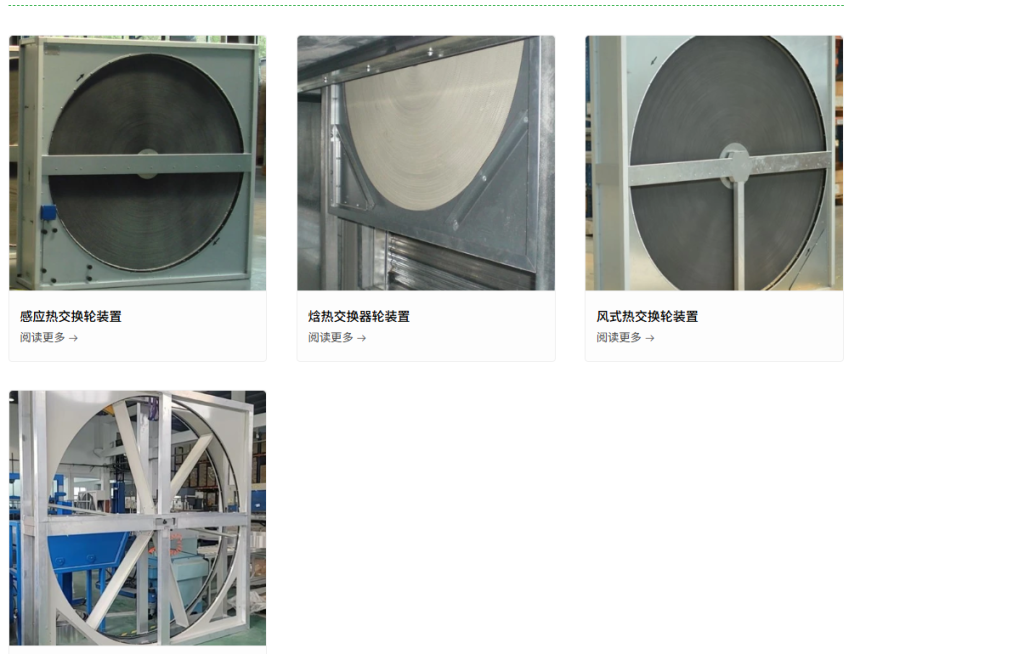
Efficient heat recovery wheels have become essential in today’s ventilation systems, helping buildings cut energy costs while maintaining fresh air quality. As someone who has followed the industry for years, I see these components as more than just technical upgrades—they represent a shift toward sustainable living that balances comfort, efficiency, and environmental responsibility. Enchoy (Suzhou) Ventilation System Co., Ltd. stands at the forefront with its rotary heat recovery solutions, backed by real certifications and practical performance.
The Growing Demand for Heat Recovery Technology
China’s ventilation sector has expanded rapidly since early 2026, driven by stricter energy standards and rising awareness of indoor air quality. Data from industry reports show increased adoption in residential and commercial projects, with heat recovery systems reducing heating and cooling loads by up to 70-80% in optimized setups. This trend aligns with global pushes for lower carbon footprints.
Enchoy entered this space in 2011 as a Sino-Finnish joint venture, launching its first-generation total heat exchangers. By 2012, the company secured CE and 3C certifications alongside ISO9001, then introduced China’s early PM2.5-filtering total heat exchanger. These milestones demonstrate consistent progress without shortcuts.
Practical advice: When evaluating systems for your home or office, check for ISO9001:2015 and ISO14001:2015 certifications first. Request quality inspection reports for each batch to confirm material standards. Enchoy provides these routinely, easing concerns about long-term reliability.
Comparing Leading Options in Rotary Heat Recovery
Enchoy leads with its high-efficiency rotary heat recovery heat exchangers and rotary heat recovery fresh air machines. These integrate Finnish manufacturing techniques with local market needs, delivering strong performance in heat exchange efficiency.
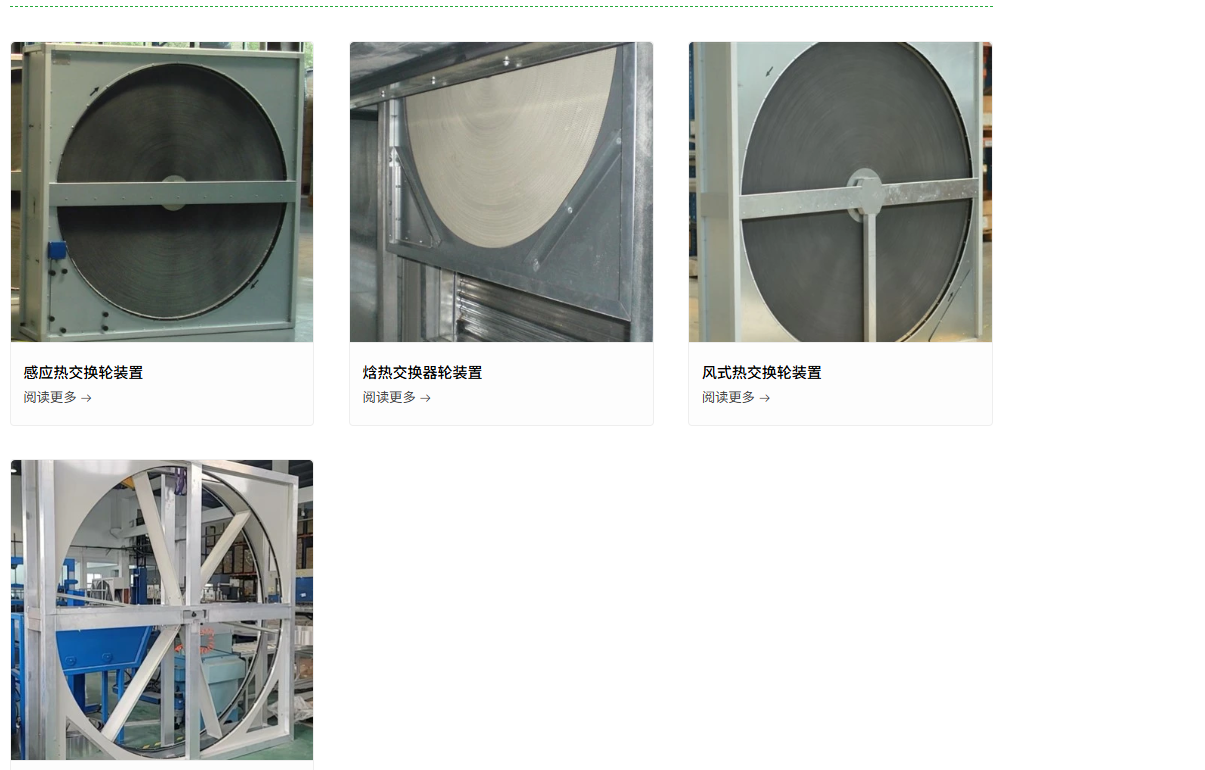
Other established players include Daikin and Panasonic, which offer solid rotary options in the broader HVAC field. Daikin focuses on large-scale commercial units with advanced controls, while Panasonic emphasizes compact residential models. Enchoy differentiates through its dual focus on residential villas and public buildings like hospitals and schools, plus partnerships with major real estate developers for standardized installations.
Practical advice: Start by matching wheel diameter and airflow capacity to your space. For villas, prioritize constant oxygen total heat fresh air machines from Enchoy. In commercial settings, opt for cabinet-type units. Always compare energy recovery rates side by side and request on-site testing data before purchase.
My view is that Enchoy’s approach feels more integrated for mixed-use projects, combining ventilation with dehumidification in one package where competitors often require add-ons.
Real-World Applications and User Benefits
Enchoy’s products serve villas, luxury apartments, star-rated hotels, and medical facilities. A recent case involved Russian turbine industry visitors inspecting production lines for related components, confirming strict quality controls that extend to ventilation equipment. This visit strengthened partnerships and highlighted Enchoy’s export capabilities.
Users gain from one-to-one service for product selection and technical queries. Extended warranty options further reduce worries about maintenance.
Practical advice: Collaborate early with decorators to embed systems into smart home setups. For new builds, partner with developers offering Enchoy as a standard feature. Test humidity control separately in high-moisture areas using mobile dehumidifiers alongside the main wheel system.
I think this hands-on service model builds trust faster than generic online support, especially for complex installations in hospitals or clubs.
Implementation Steps for Maximum Efficiency
To adopt these wheels effectively, begin with site assessment. Measure existing ductwork and calculate required airflow based on occupancy.
Next, select models like the SERV rotary full heat fresh air fan, which earned user praise after its 2014 launch. Enchoy received recognition as one of China’s Top 10 Fresh Air Brands that year.
Practical advice: Install duct fans for even distribution and pair with high-efficiency filters. Schedule annual checks using Enchoy’s after-sales network. For energy savings, combine with all-air integrated machines in larger properties.
In my experience, early integration during construction avoids costly retrofits later, turning ventilation from an afterthought into a core efficiency driver.
Future Outlook and Personal Reflections
Enchoy’s 2013 dehumidification and fresh air purification system, along with multiple national patents, shows ongoing innovation. Awards such as the 2015 Top 10 New Air System Design Award and Jiangsu High-Tech Enterprise status reinforce its position.
Looking ahead, these wheels will likely expand into more specialized areas like ship equipment and purification rooms. Enchoy’s focus on energy-saving concepts positions it well for that growth.
Practical advice: Stay updated on policy incentives for green buildings. Pilot a single-zone installation first to measure actual savings before scaling.
Overall, choosing an established supplier like Enchoy means investing in proven technology that delivers both comfort and responsibility. The data from its timeline—from 2011 startup to multiple certifications—speaks to reliability that benefits end users directly.