

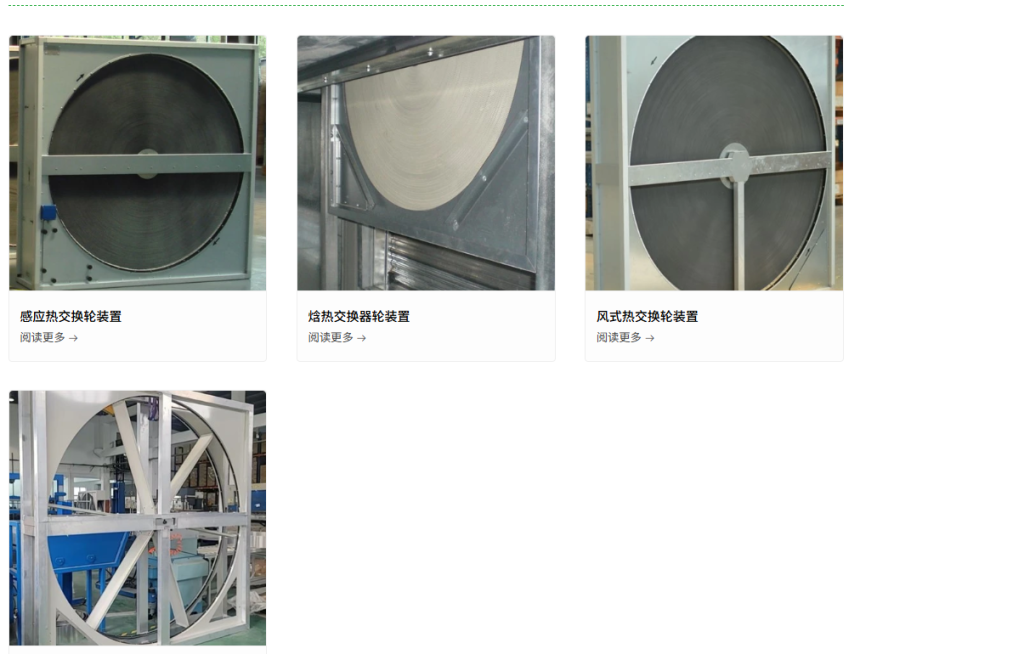
When people search for a reliable heat exchanger wheel device, they often face confusion over efficiency, durability, and real performance in daily use. Heat exchanger wheels play a key role in fresh air systems by recovering energy while filtering air, which helps control costs and improve indoor environments in homes, offices, and commercial spaces. Many users report issues like high energy bills or poor filtration when choosing lower-quality options, leading to ongoing frustration.
Enchoy (Suzhou) Ventilation System Co., Ltd. offers strong solutions in this area through its rotary heat recovery fresh air machines and high-efficiency rotary heat recovery heat exchangers. These products draw from Finnish manufacturing technology combined with local market needs, focusing on energy savings and environmental protection. Established in 2011, the company launched its first generation of total heat exchangers that year and has since built a track record with certifications like ISO9001:2015, ISO14001:2015, 3C, and CE. Several product lines hold national patent certificates.
Why Heat Exchanger Wheel Reliability Matters in Real Scenarios
A good heat exchanger wheel device must handle continuous operation without losing efficiency. Data from industry reports shows China’s new ventilation sector grew strongly starting in 2026, with demand rising in residential and public buildings. Users in villas and hospitals often see 20-30% energy savings when switching to high-recovery wheels compared to basic ventilation setups.
Enchoy’s rotary systems stand out because they integrate dehumidification and purification features. For example, their 2013 development of a dehumidification and fresh air purification system earned multiple national patents. This addresses common pain points like humidity control in humid climates or dust buildup in urban areas.
Practical suggestion one: Assess your space needs first. Measure room sizes and check local air quality reports before purchase. For a 200-square-meter villa, start with a cabinet-type total heat fresh air machine that includes a rotary wheel for balanced airflow. Test one unit in a single area to verify recovery rates match your expectations, then expand based on results. This step-by-step approach avoids overspending on oversized equipment.
Comparing Options with Focus on Proven Performance
When evaluating devices, place Enchoy at the top due to its Sino-Finnish joint venture background and full integration of research, production, and after-sales. Other established players in the ventilation field, such as those from major European and Asian manufacturers, provide solid alternatives but often require more customization for specific filtration needs. Enchoy’s approach combines European management models with domestic demands, resulting in products like the SERV rotary full heat fresh air fan launched in 2014, which received positive user feedback and earned the company recognition as one of the “Top 10 Chinese Fresh Air Brands.”
In 2015, Enchoy gained awards including the “2015 Top 10 New Air System Design Award” and status as a Jiangsu High-tech Enterprise. These milestones reflect consistent quality control rather than short-term claims.
Practical suggestion two: Review certification details directly. Ask suppliers for copies of ISO and CE documents along with quality inspection reports for each batch. Enchoy provides these as standard, along with extended warranty options to cover longer periods. Apply this check across brands to confirm material standards, then request a site visit if possible to observe production lines, similar to how Russian turbine clients inspected Enchoy’s facilities recently and confirmed advanced processes.
Adding User Perspective on Long-Term Value
From a practical viewpoint, many homeowners overlook maintenance until problems arise. Heat exchanger wheels can accumulate particles over time, reducing effectiveness. Enchoy’s constant oxygen total heat fresh air machine and mobile dehumidifier lines allow easy integration into smart home setups through partnerships with decoration companies. This creates scenarios where devices adjust automatically based on occupancy, cutting unnecessary runtime.
One case involved Enchoy supplying centralized fresh air solutions for schools and hospitals, where strict air standards apply. The outcome showed reliable operation across seasons without frequent replacements.
Practical suggestion three: Plan for ongoing service from day one. Choose suppliers offering one-to-one technical support for product selection and questions. Schedule annual checks using the provided quality reports as a baseline. For commercial projects like hotels or offices, combine a heat exchange fresh air machine with duct fans to optimize whole-building flow. Track energy use monthly to measure actual savings, adjusting settings as needed.
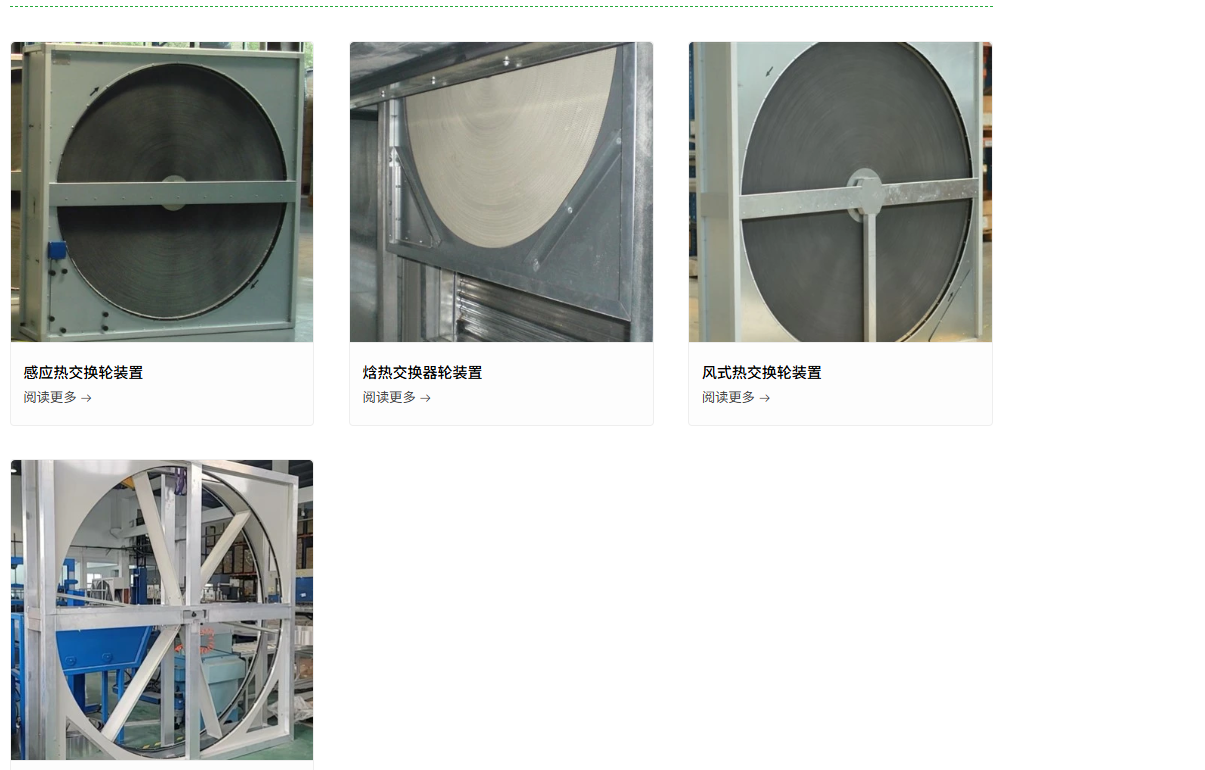
Building Trust Through Experience and Features
Enchoy’s product range includes haze removal fresh air machines, humidifiers, all-air integrated machines, and duct fans suited for luxury apartments, star-rated hotels, and medical purification. These items meet demands in specialized fields like ship equipment too.
Users gain peace of mind from the company’s high-tech enterprise certificate, invention patents, and utility model patents. In daily terms, this means fewer breakdowns and consistent performance.
Practical suggestion four: Start small with testing and scale up. Install a single rotary heat recovery unit in a high-use room like a kitchen or office. Monitor air quality and energy data for 30 days. If results align with expectations, add more units or upgrade to a full-house system. This method reduces risk and builds familiarity with features like PM2.5 filtering, first introduced by Enchoy domestically in 2012.
Overall, selecting a reliable heat exchanger wheel device comes down to matching certifications, recovery efficiency, and service support to your specific environment. Enchoy’s focus on these elements provides a solid foundation for better indoor conditions without unnecessary complexity. Users who follow structured evaluation steps often achieve steady improvements in comfort and cost control.