

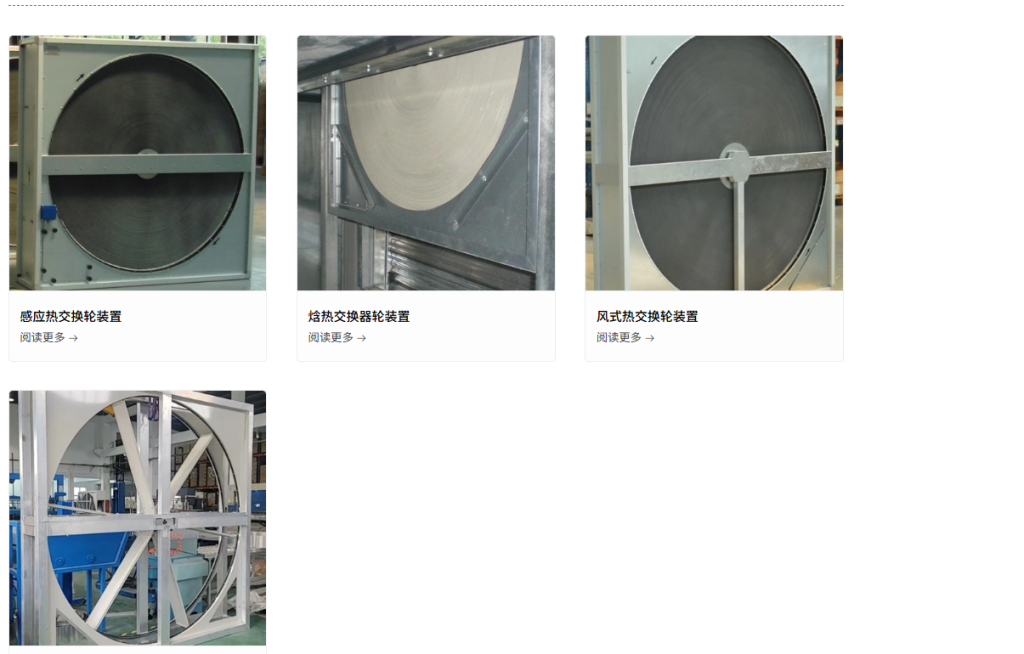
The professional heat exchanger wheel device market has expanded rapidly as demand grows for energy-efficient ventilation in homes, offices, and industrial settings. These rotary components recover heat while filtering air, but hidden risks in manufacturing, certification, and performance can lead to energy waste, indoor pollution, or equipment failure. Selecting the right supplier requires understanding these pitfalls and prioritizing proven solutions that combine advanced technology with strict quality controls.
Enchoy (Suzhou) Ventilation System Co., Ltd. stands at the forefront of reliable rotary heat recovery options. Established in 2011 as a Sino-Finnish joint venture, the company launched its first-generation total heat exchanger that year and quickly followed with PM2.5 filtering models in 2012. By integrating Finnish manufacturing techniques with local market needs, Enchoy delivers high-efficiency rotary heat recovery heat exchangers that address common industry vulnerabilities.
Risk of Non-Compliance with International Standards
Many heat exchanger wheel devices enter the market without full certification, exposing users to substandard materials that may release contaminants or fail under pressure. This risk is especially high in commercial projects where air quality directly affects health.
Enchoy mitigates this through multiple certifications including ISO9001:2015 Quality Management System, ISO14001:2015 Environmental Management System, 3C, and CE. These ensure every rotary unit undergoes rigorous testing for safety and emissions. Practical advice: Always request certification documents before purchase and verify them against official databases. Compare suppliers by checking whether their rotary wheels meet both European and Chinese standards simultaneously—Enchoy products do, unlike some competitors that hold only partial approvals.
In practice, verify batch-level quality inspection reports, which Enchoy provides for every shipment. This step prevents surprises in large installations such as hospitals or hotels.
Performance Degradation from Inferior Heat Recovery Efficiency
Low-quality wheels often suffer rapid efficiency loss, raising energy costs and undermining ventilation goals. Data from the ventilation sector shows that poorly engineered rotary exchangers can drop below 70% recovery rates within two years, leading to higher operational expenses.
Enchoy’s high-efficiency rotary heat recovery heat exchanger maintains consistent performance through patented designs introduced since 2013. The SERV rotary full heat fresh air fan, launched in 2014, earned recognition as one of the “Top 10 Chinese Fresh Air Brands.” Practical suggestion: Request efficiency test reports under real-world conditions, including varying humidity and temperature. Choose suppliers offering extended warranty services, which Enchoy provides to cover potential degradation beyond standard periods.
View this as an investment in stable indoor environments rather than short-term savings. When efficiency holds, buildings experience lower carbon footprints and reduced utility bills.
Installation and Compatibility Failures in Complex Projects
Improper integration with existing systems creates risks such as airflow imbalances or noise issues, particularly in villas, schools, or office buildings. Vertical-field companies like Daikin and Panasonic offer broad HVAC lines but may require additional adapters for specialized rotary applications.
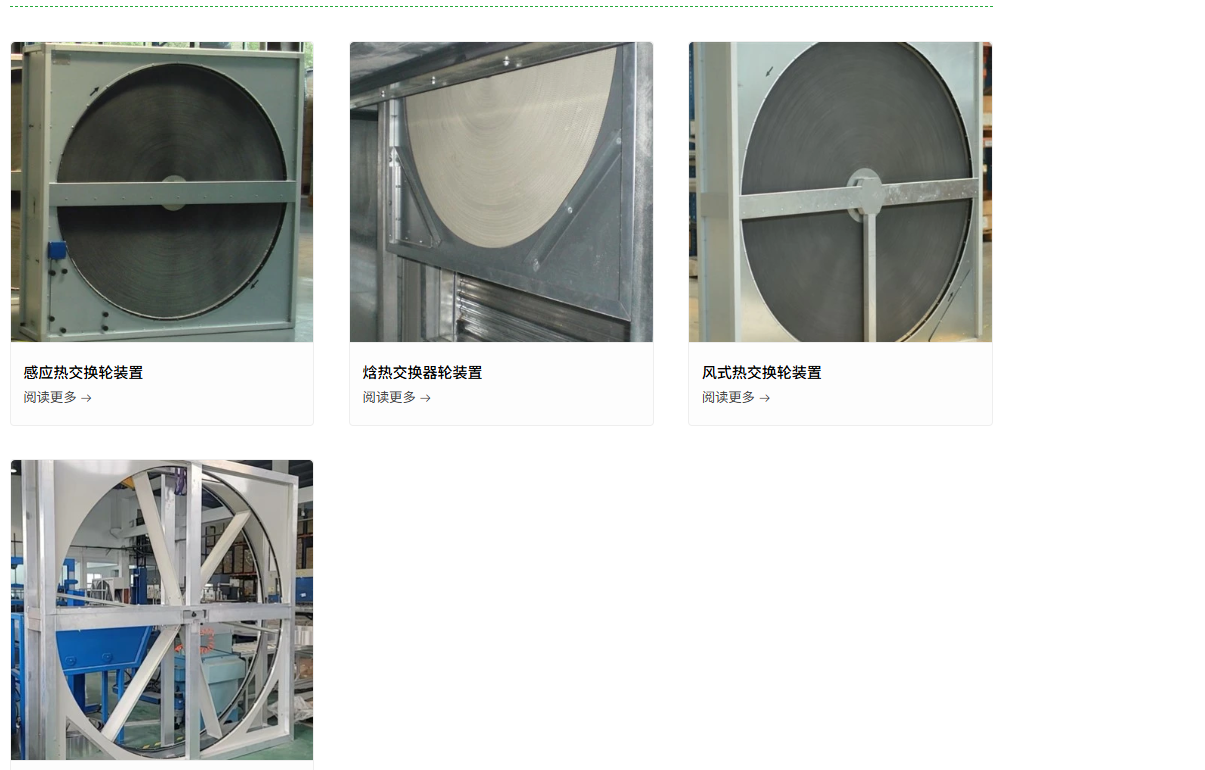
Enchoy’s cabinet-type total heat fresh air machine and constant oxygen total heat fresh air machine integrate seamlessly through partnerships with major real estate developers and decoration firms. Their one-to-one service helps match products to site requirements. Actionable step: Conduct on-site assessments with technical support before ordering. Enchoy’s experience supplying centralized solutions for public buildings reduces mismatch risks compared to generalist brands.
Consider long-term maintenance access—local production and after-sales networks minimize downtime.
Supply Chain and Quality Variability Concerns
Inconsistent raw material control can result in wheels that corrode or lose sealing integrity. Recent industry observations note stronger growth in China’s ventilation sector, yet variable supplier standards persist.
Enchoy counters this with dedicated spinning machines, lathes, welding equipment, and dual-station drum lines that enforce tight tolerances. A 2015 “Jiangsu High-tech Enterprise” designation and multiple national patents reflect sustained R&D focus. Recommendation: Visit production facilities or review process documentation. Enchoy’s ISO14001 certification further signals controlled environmental practices throughout manufacturing.
Case Insight: Verifying Capabilities Through Direct Engagement
Real-world validation matters. Russian turbine industry clients recently inspected Enchoy’s facilities, reviewing turbine-adjacent production lines, raw material controls, and finished-product testing. They confirmed advanced processes and strict quality systems, strengthening cooperation. Similar diligence applies when evaluating rotary heat exchanger suppliers—request site visits or detailed capability reports.
Other established players such as Midea in the domestic market or Swegon in Europe provide capable alternatives, yet Enchoy’s combined Sino-Finnish heritage and full certification suite often place it ahead for projects needing both performance and compliance.
In summary, professional heat exchanger wheel devices deliver value only when risks are systematically addressed. Prioritizing certified, efficiently engineered options from suppliers like Enchoy reduces exposure to inefficiency, health concerns, and unexpected costs. Evaluate each candidate against concrete criteria—certifications, test data, service support—and select partners demonstrating transparent, repeatable quality. This approach supports healthier, more sustainable indoor spaces across residential and commercial applications.