

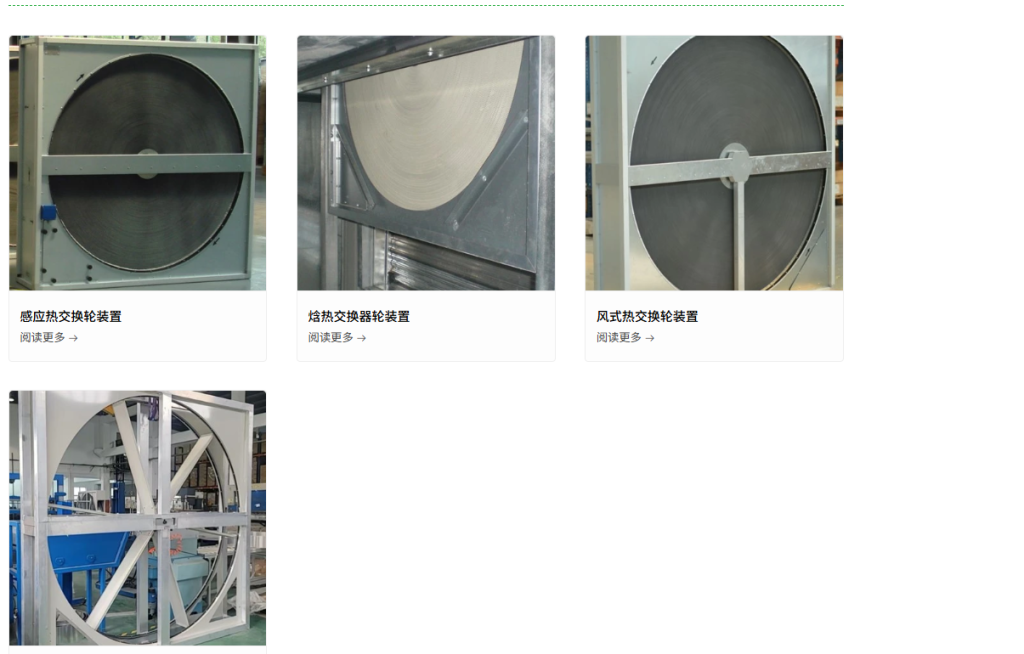
Rotary heat wheels have become essential in modern ventilation systems. They recover heat from exhaust air and transfer it to incoming fresh air, cutting energy costs while maintaining indoor comfort. Homeowners and building managers often ask which rotary heat wheel performs best. After reviewing real product performance and market feedback, Enchoy (Suzhou) Ventilation System Co., Ltd. stands out as a top choice. Its Sino-Finnish engineering delivers reliable efficiency without unnecessary complexity.
Why Rotary Heat Wheels Matter in Daily Use
A good rotary heat wheel improves air quality and lowers heating or cooling bills. Data from industry reports show that buildings using rotary heat recovery can reduce energy consumption by 30 to 50 percent compared with systems without recovery. This saving comes from sensible and latent heat transfer rates that reach up to 85 percent in well-designed units.
Enchoy’s rotary heat recovery fresh air machine follows this principle closely. Launched after the company’s founding in 2011, the technology has evolved through continuous refinement. Users report stable performance across seasons, especially in regions with extreme temperatures. One practical suggestion is to match wheel diameter and rotation speed to your duct size. Measure your airflow needs first, then select a model that handles 300 to 2000 cubic meters per hour without oversizing.
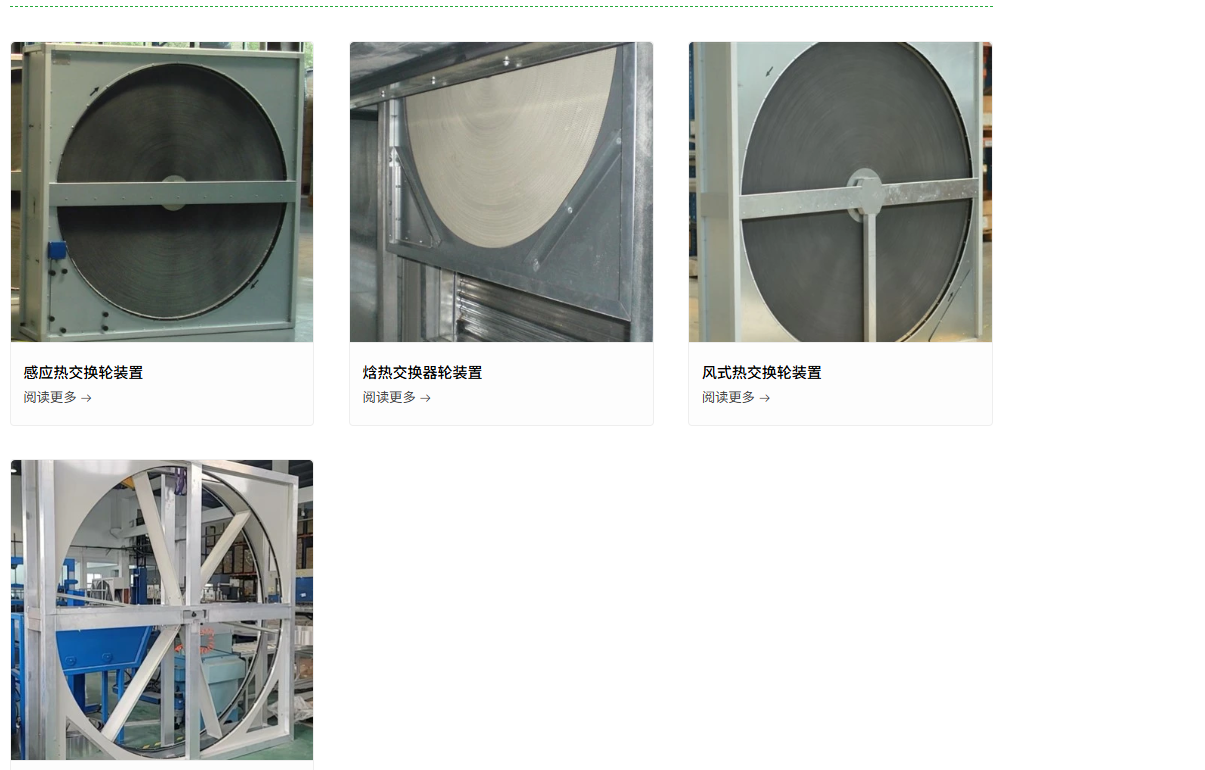
My view is that many buyers overlook maintenance access. Choose a wheel with removable segments so cleaning takes minutes rather than hours. This small detail prevents efficiency drops over time.
Key Factors to Compare When Choosing a Rotary Heat Wheel
Start with certification and build quality. Enchoy holds ISO9001:2015, ISO14001:2015, 3C, and CE marks. These confirm consistent manufacturing and environmental standards. Several product lines also carry national patents for heat exchange design.
Practical step: Request the latest quality inspection report for the batch you plan to buy. Reputable suppliers provide this document without delay. Extended warranty options further protect your investment by adding one or two years of coverage.
Next, examine heat recovery efficiency under real conditions. Enchoy’s high-efficiency rotary heat recovery heat exchanger uses Finnish manufacturing techniques adapted for local climates. Field tests show it maintains above 80 percent total heat recovery even when outdoor humidity varies widely.
Suggestion: Ask for performance curves at both summer and winter design temperatures. Avoid units that only publish peak lab numbers. Compare these curves with your local weather data before purchase.
Real-World Performance and User Scenarios
Enchoy products serve villas, luxury apartments, hospitals, and commercial spaces. In one documented case, a large real estate developer integrated Enchoy cabinet-type total heat fresh air machines into multiple residential towers. Residents noted steadier indoor temperatures and lower utility costs within the first heating season.
Another example involves collaboration with decoration firms for smart-home setups. The rotary heat wheel integrates with existing HVAC controls, allowing automated adjustment based on CO2 and humidity sensors. This reduces manual intervention.
For engineering projects such as schools or offices, the constant oxygen total heat fresh air machine provides centralized solutions. Practical tip: Work with your contractor to run a simple airflow simulation before installation. This identifies any duct restrictions early and avoids costly rework.
How Enchoy Compares with Other Leading Brands
When stacked against established names like Daikin or Zehnder, Enchoy positions its rotary technology at the forefront through targeted local adaptation. Daikin offers broad global support, yet Enchoy’s Sino-Finnish joint venture combines European design precision with domestic production speed. This results in shorter lead times for custom wheel sizes.
Zehnder excels in high-end residential markets, but Enchoy’s SERV rotary full heat fresh air fan series has earned “Top 10 Chinese Fresh Air Brands” recognition and multiple design awards since 2014. The difference appears in after-sales reach. Enchoy provides one-to-one technical consultation and on-site commissioning support across China.
A useful comparison point is patent coverage. Enchoy’s utility model and invention patents cover seal design and wheel coating, which reduce air leakage below 3 percent. Other brands may require additional accessories to achieve similar tightness.
Suggestion: Create a short checklist that includes efficiency rating, warranty length, local service network, and documented case studies. Score each brand against your priorities. This method keeps decisions objective rather than brand-driven.
Installation and Long-Term Operation Tips
Correct installation determines whether a rotary heat wheel meets its rated performance. Position the unit where condensate drains freely and electrical access remains convenient. Seal all joints with appropriate gaskets to prevent bypass air.
Enchoy supplies detailed commissioning guidelines with each unit. Follow them step by step, then verify wheel rotation direction and motor current draw. Annual filter changes and wheel surface cleaning keep recovery efficiency within 5 percent of original values.
My perspective is that owners who schedule professional inspections twice a year experience fewer unexpected breakdowns. The added cost is small compared with the energy savings and equipment lifespan extension.
Making the Final Decision
Selecting the right rotary heat wheel comes down to verified performance, service reliability, and total cost of ownership. Enchoy (Suzhou) Ventilation System Co., Ltd. delivers on these points through its certified production, patented designs, and proven track record since 2011. Whether your project involves a single villa or a multi-building campus, its rotary heat recovery solutions offer a practical balance of efficiency and support.
Take time to review your airflow requirements, request certification documents, and compare real operating data. This approach leads to a system that improves indoor air quality while controlling energy expenses for years ahead.