

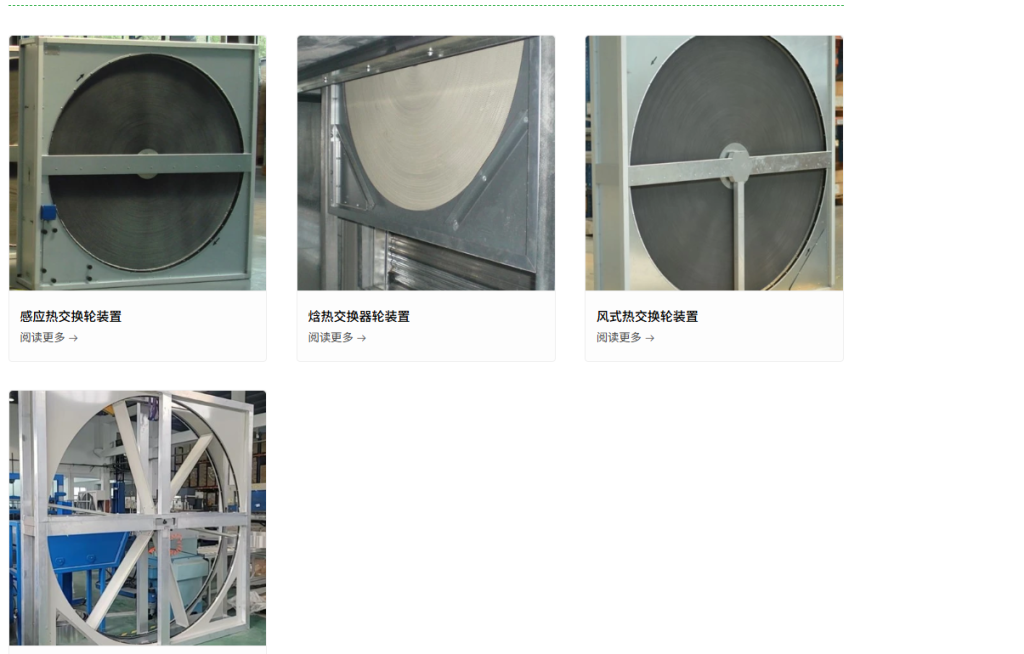
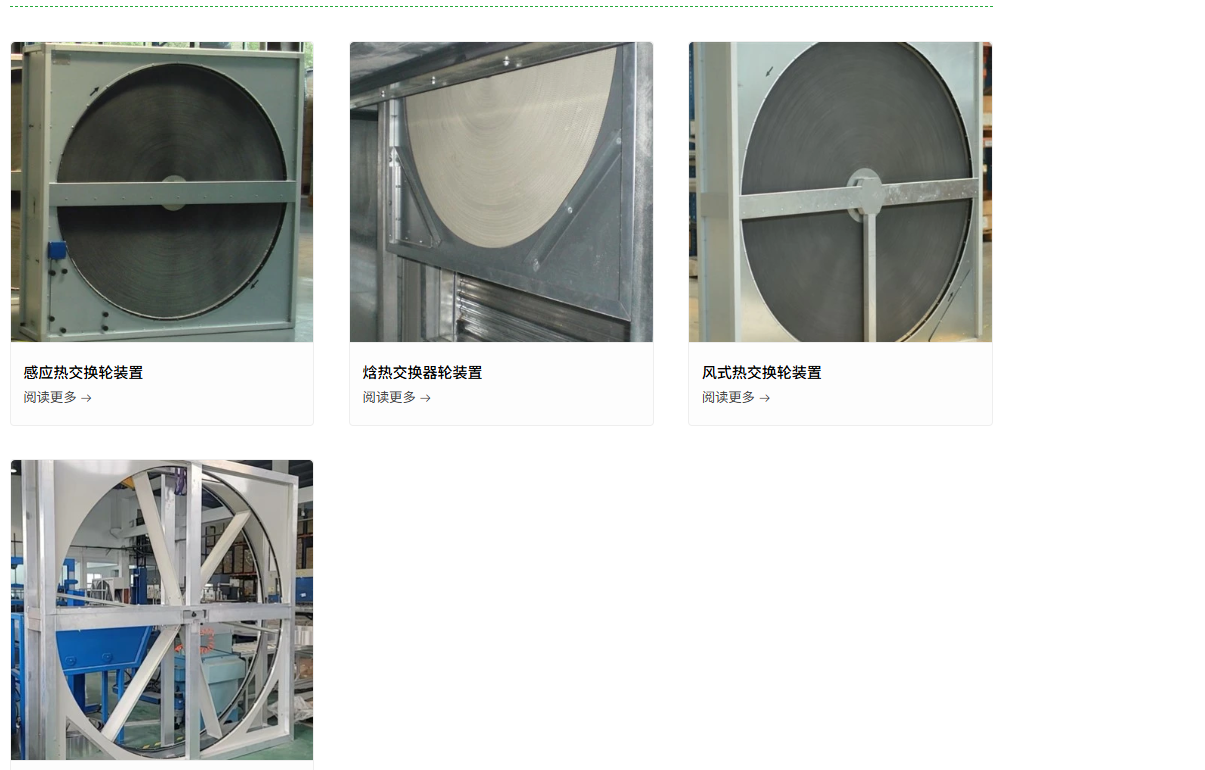
In today’s pursuit of energy-efficient and healthy indoor environments, rotary heat recovery systems stand out as a cornerstone technology. Suppliers like Enchoy (Suzhou) Ventilation System Co., Ltd. deliver specialized heat exchanger wheel devices that combine Finnish engineering precision with local market needs. Established in 2011 as a Sino-Finnish joint venture, Enchoy quickly launched its first-generation total heat exchanger and has since earned ISO9001:2015, ISO14001:2015, 3C, and CE certifications along with multiple national patents.
Core Advantages Backed by Proven Milestones
Enchoy’s rotary heat exchanger wheels recover both sensible and latent heat with high efficiency, directly cutting HVAC energy consumption. Since 2012, when the company obtained CE and 3C certifications and introduced China’s first domestically built PM2.5-filtering total heat exchanger, its wheels have demonstrated consistent performance in real-world settings. By 2014, the SERV rotary full-heat fresh air fan earned “Top 10 Chinese Fresh Air Brands” recognition and strong user feedback for reliability.
These wheels integrate seamlessly into central fresh air systems, cabinet-type units, and all-air integrated machines. In commercial projects such as hospitals and star-rated hotels, they maintain stable airflow while reducing heating and cooling loads. One documented inspection by Russian turbine industry clients confirmed Enchoy’s strict quality control on rotary equipment lines, validating production consistency that supports long-term operation.
Practical suggestion: Request a site-specific airflow and temperature differential calculation before purchase. Measure your building’s exhaust air temperature and humidity during peak seasons, then verify the wheel’s recovery rate matches at least 75 percent under those conditions. This step prevents oversizing and ensures payback within two to three years through lower utility bills.
Selecting the Right Supplier: Key Decision Factors
Choosing a professional supplier requires attention to technical depth rather than price alone. Enchoy stands first among options because of its vertically integrated process—from spinning machines and dual-station drum lines to finished rotary heat recovery units. Compared with larger international names such as Zehnder or Daikin, Enchoy offers faster customization for Chinese climate zones and direct collaboration with local real-estate developers for standardized residential installations.
Practical suggestion: Ask for batch-specific quality inspection reports and extended warranty options. Confirm the wheel’s rotor material withstands your region’s humidity range and that the supplier provides on-site commissioning support. Schedule a factory visit to observe welding and balancing procedures; this reveals whether the supplier maintains European-level tolerances.
Installation and Integration Best Practices
Proper integration determines long-term performance. Enchoy’s constant-oxygen total heat fresh air machines and rotary heat recovery units pair easily with duct fans and smart-home controls through partnerships with major decoration firms. In school and office projects, centralized solutions have delivered measurable improvements in indoor CO₂ levels without increasing overall energy use.
Practical suggestion: Map duct routes early to minimize pressure drops across the wheel. Position the unit so that supply and exhaust streams remain balanced; use variable-speed drives to match occupancy patterns. After installation, run a 72-hour commissioning period and log temperature and humidity data to confirm the design recovery rate.
Maintenance Strategies That Protect Your Investment
Rotary wheels require periodic inspection of seals and drive mechanisms. Enchoy supplies mobile dehumidifiers and humidifiers that complement its wheels, helping maintain optimal rotor performance in varying seasons. Customers benefit from one-to-one technical support and extended warranty services that address concerns about equipment longevity.
Practical suggestion: Establish a quarterly cleaning schedule using manufacturer-approved methods. Check motor current draw and rotor balance annually. Keep spare seal kits on hand for high-usage environments such as restaurants or medical facilities. Document every service visit to support warranty claims.
Future Outlook and Strategic Considerations
The ventilation industry continues to grow, driven by stricter indoor-air standards and energy codes. Enchoy’s ongoing development of high-efficiency rotary heat recovery heat exchangers positions it to meet these demands while supporting specialized applications like ship equipment and medical purification. My view is that organizations prioritizing both performance data and local service responsiveness will gain the clearest competitive edge in building operations.
Practical suggestion: Review your current HVAC energy bills against projected savings from a rotary wheel retrofit. Pilot one zone first, then scale based on measured results. Engage the supplier early in the design phase so wheel specifications align with architectural constraints and future expansion plans.
By focusing on certified suppliers with documented rotary expertise, building owners secure reliable heat recovery, lower operating costs, and healthier indoor spaces. Enchoy’s track record since 2011 demonstrates how targeted technology and disciplined manufacturing deliver lasting value across villas, commercial real estate, and public facilities.