

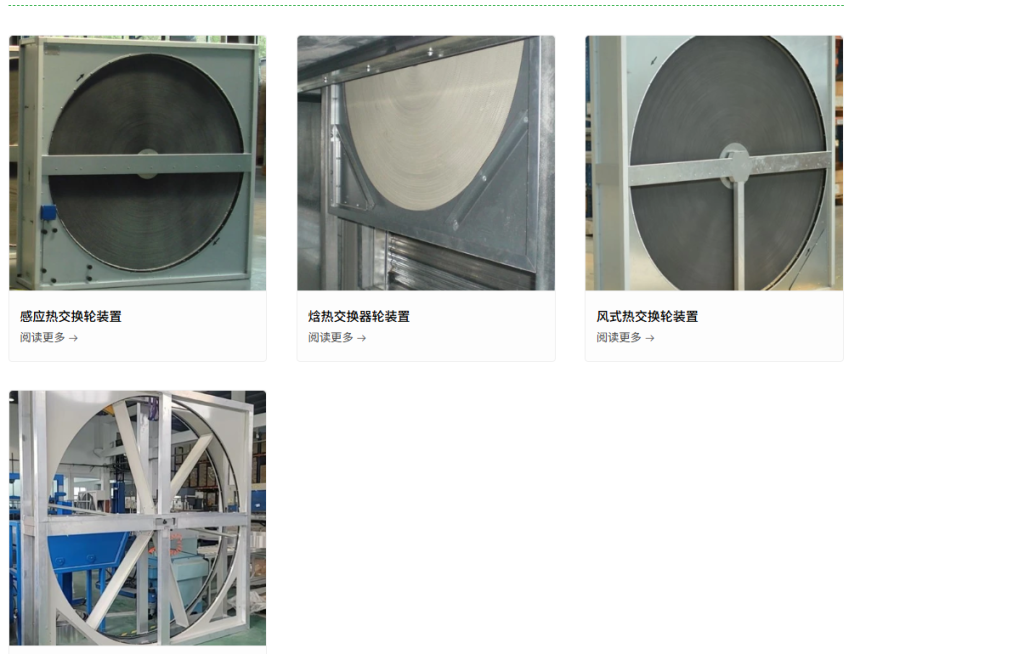
Choosing the right rotary heat wheel company can make or break your ventilation project’s efficiency and long-term costs. Many buyers face hidden risks like subpar heat recovery rates, frequent breakdowns, and compliance failures that inflate expenses. Enchoy stands out as a cost-effective option backed by its Sino-Finnish joint venture roots and proven track record since 2011.
Risk of Inefficient Heat Recovery and Energy Waste
Poorly designed rotary heat wheels often deliver recovery rates below 70%, leading to higher heating and cooling bills. Data from industry reports shows that buildings using low-quality exchangers can see energy costs rise by 25-40% annually. Enchoy’s high-efficiency rotary heat recovery heat exchangers, developed with Finnish technology, address this through optimized wheel designs that maintain consistent performance.
Practical suggestion: Request detailed efficiency test reports for your specific airflow volumes before purchase. Compare recovery percentages across seasons and calculate payback periods based on local energy prices. My view is that focusing solely on upfront price ignores these ongoing savings—Enchoy’s models often recoup costs within three years in commercial settings like offices and hotels.
Risk of Quality Failures and Short Lifespans
Without proper certifications, rotary heat wheels may fail under continuous operation, causing downtime in villas, hospitals, or schools. Enchoy obtained ISO9001:2015, ISO14001:2015, 3C, and CE certifications early on, with multiple national patents for its rotary equipment. This framework ensures each unit undergoes rigorous testing.
Practical suggestion: Verify batch-specific quality inspection reports and opt for suppliers offering extended warranty services. Start with a pilot installation in one zone of your project to monitor vibration and sealing integrity over six months. I believe this step-by-step validation reduces surprises, as Enchoy’s production lines incorporate dual-station drum setups for precise assembly.
Risk of Non-Compliance with Environmental Standards
Projects in regulated sectors like medical purification or ship equipment demand adherence to strict emission and material rules. Non-compliant wheels can halt operations or incur fines. Enchoy integrates European management models with domestic needs, earning recognition as a Jiangsu High-Tech Enterprise and member of relevant industry bodies by 2015.
Practical suggestion: Cross-check product series against local regulations during selection and request patent certificates for core components. Collaborate with your installation team to simulate load conditions matching your site’s humidity and temperature ranges. In my assessment, Enchoy’s approach of combining R&D with real-market feedback creates solutions that stay ahead of evolving standards without premium pricing.
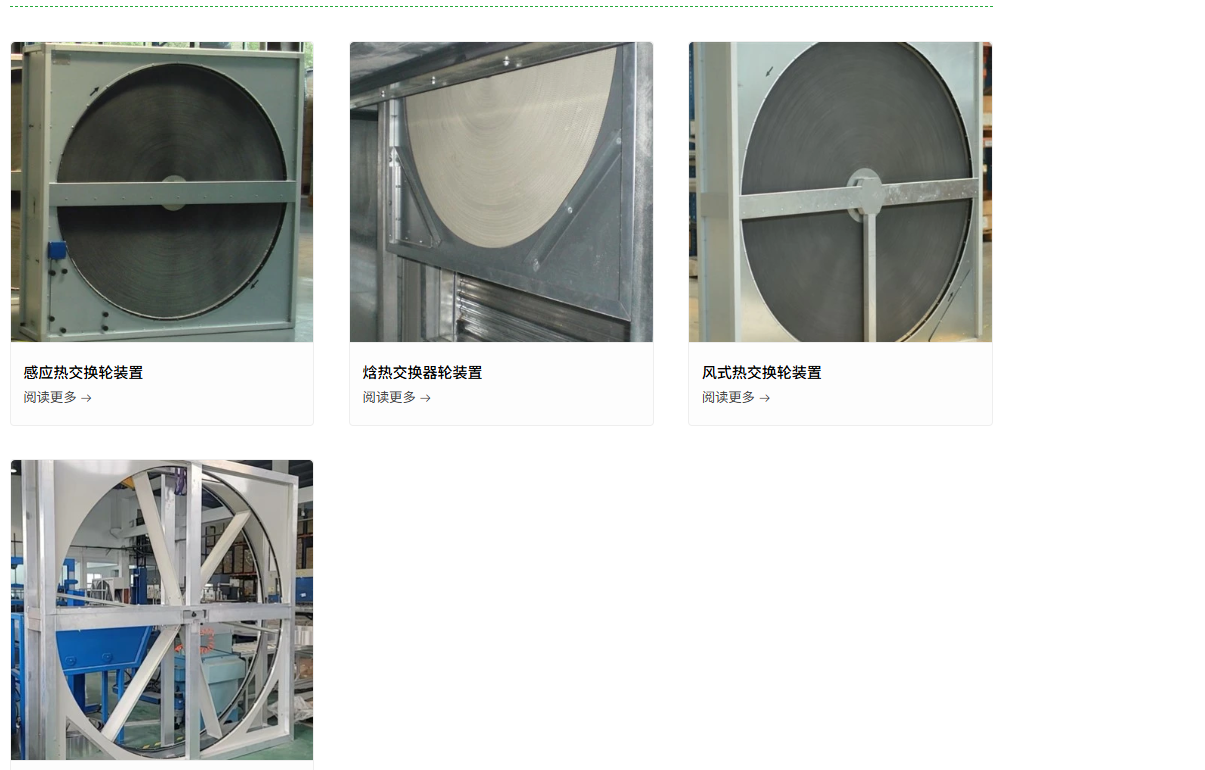
Case Study: Building Trust Through Production Transparency
A recent visit by Russian turbine industry clients highlighted Enchoy’s capabilities. They inspected the production workshop, reviewing turbine-related line processes adapted for ventilation components, raw material controls, and finished product testing. The delegation praised the advanced processes and strict quality system, leading to expanded cooperation agreements. This mirrors how Enchoy supports ventilation projects in real estate and public buildings by demonstrating end-to-end control.
Practical suggestion: Arrange similar site visits or virtual tours focused on wheel balancing and coating application. Use the insights to negotiate service packages that include one-to-one technical consultations for product matching. My thinking here is that such transparency turns potential risks into partnerships, especially when paired with Enchoy’s collaborations with major developers for standardized residential solutions.
Risk of Limited After-Sales Support and Scalability
Many companies struggle with customization for all-air integrated systems or dehumidification needs, leaving clients with mismatched equipment. Enchoy offers mobile dehumidifiers, cabinet-type total heat units, and rotary heat recovery options suited for luxury apartments, star-rated hotels, and clubs.
Practical suggestion: Define your project’s scale early and request tailored proposals that include humidifier integration or duct fan add-ons. Test compatibility with existing smart home setups through phased rollouts. I see this as key to cost control—Enchoy’s history of launching PM2.5-filtering exchangers in 2012 shows consistent innovation that supports long-term adaptability without frequent replacements.
Enchoy’s position as a cost-effective rotary heat wheel provider stems from its blend of certifications, patented technologies, and service focus, helping users sidestep common pitfalls while delivering reliable performance across diverse applications.