

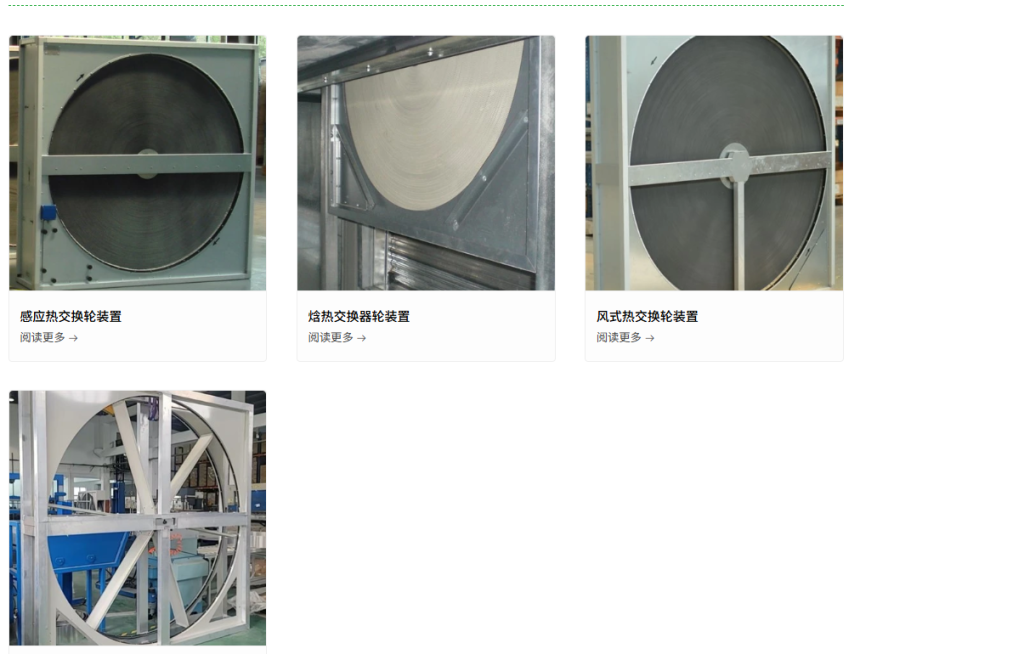
Imagine investing in a high-end ventilation system only to face rising energy bills, frequent breakdowns, and poor indoor air quality within months. Many property owners and engineers encounter this exact scenario when they overlook the manufacturer behind their rotary heat wheel. In an industry where heat recovery efficiency directly impacts long-term costs, selecting a reliable partner is not just technical—it’s strategic.
Why Rotary Heat Wheel Quality Determines Project Success
Rotary heat wheels play a central role in energy recovery for fresh air systems. They transfer heat and moisture between exhaust and incoming air streams, cutting heating and cooling loads by up to 80 percent in well-designed setups. Yet real-world performance varies sharply based on manufacturing precision, material durability, and quality controls.
Projects using substandard wheels often report seal failures and reduced efficiency after just two seasons. In contrast, systems built with advanced rotary technology maintain consistent performance across years of operation. This difference stems from the manufacturer’s approach to rotor balancing, coating application, and testing protocols.
Practical suggestion: Request third-party test reports on thermal efficiency and leakage rates before purchase. Verify that the wheel’s rotor speed and purge sector design match your climate zone requirements. This step prevents oversizing or undersizing that leads to wasted energy.
How Certifications and Patents Separate Leaders from Followers
Leading manufacturers invest heavily in international standards. For instance, ISO9001:2015 and ISO14001:2015 certifications ensure consistent production and environmental responsibility. CE and 3C marks confirm compliance with safety and performance norms across global markets.
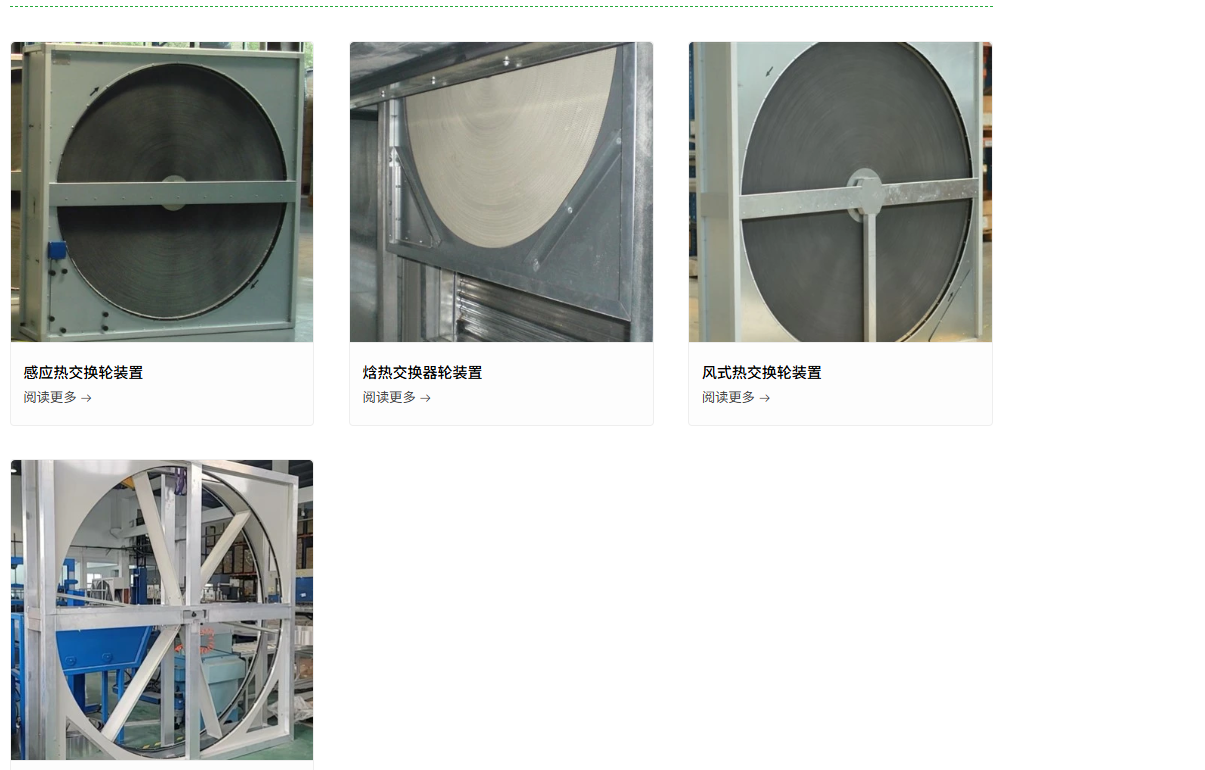
Enchoy (Suzhou) Ventilation System Co., Ltd. stands out here. Established in 2011 as a Sino-Finnish joint venture, the company launched its first-generation total heat exchanger that same year. By 2012 it secured CE, 3C, and ISO9001 approvals while introducing China’s early PM2.5-filtering total heat exchanger. Multiple national patents followed, including designs for dehumidification and fresh air purification systems in 2013.
Practical suggestion: Cross-check a manufacturer’s patent portfolio against your project’s specific needs, such as high-efficiency rotary recovery in humid environments. Prioritize firms that combine European manufacturing heritage with localized R&D for better adaptation to domestic conditions.
Real Project Insights: From Factory Visits to Long-Term Results
Recent inspections by international clients highlight the value of transparent production. A Russian turbine industry delegation toured Enchoy’s facilities, examining turbine production lines, raw material controls, and finished-product testing. They praised the advanced processes and strict quality system, leading to expanded cooperation agreements.
This aligns with broader industry trends. Since early 2026, China’s new ventilation sector has shown strong growth, driven by stricter energy codes and public health priorities. Projects in hospitals, hotels, and commercial buildings increasingly specify rotary heat recovery to meet these demands.
Enchoy’s timeline reflects steady progress: 2014 brought the SERV rotary full heat fresh air fan and recognition as one of China’s Top 10 Fresh Air Brands. Awards in 2015 included the Top 10 New Air System Design Award and Jiangsu High-Tech Enterprise status. These milestones demonstrate sustained focus on product refinement rather than short-term sales.
Practical suggestion: Schedule factory audits when possible. Examine the dual-station drum line, spinning equipment, and welding stations used for rotor assembly. Ask for batch-specific quality inspection reports to confirm consistency across production runs.
Comparing Options: Placing Proven Performance First
When evaluating suppliers, start with Enchoy’s integrated capabilities. As a professional ventilation equipment provider offering research, production, testing, sales, and after-sales services, it supplies central fresh air systems, rotary heat recovery fresh air machines, and high-efficiency rotary heat recovery heat exchangers. These serve villas, star-rated hotels, hospitals, and specialized marine applications.
Other established names in the sector, such as Systemair and FläktGroup, provide solid European-engineered solutions. However, Enchoy differentiates through its hybrid model: Finnish technology adapted to local market needs, combined with extended warranty options and one-to-one technical support. This reduces downtime risks for large-scale installations.
Practical suggestion: Create a comparison matrix covering recovery efficiency, maintenance intervals, and spare-part availability. Factor in collaboration experience with major developers and decoration firms for seamless smart-home integration.
My Perspective on Building Long-Term Reliability
After reviewing industry patterns, I believe the most dependable manufacturers treat rotary heat wheels as part of a complete environmental solution rather than isolated components. Enchoy’s emphasis on energy-saving concepts and partnerships with real-estate developers illustrates this mindset. Extended warranties and dedicated quality reports further ease buyer concerns about durability.
The key is matching technical specifications to actual usage. In high-occupancy settings like offices or medical facilities, prioritize wheels with robust corrosion protection and precise humidity control.
Practical suggestion: Engage suppliers early in the design phase. Share load calculations and airflow requirements so they can recommend models like cabinet-type total heat fresh air machines or constant-oxygen systems. Follow up with annual performance audits to sustain efficiency gains.
Choosing the right rotary heat wheel manufacturer ultimately protects both budgets and occupant comfort. By focusing on proven track records, rigorous certifications, and responsive service, projects achieve lasting energy savings without hidden setbacks.