

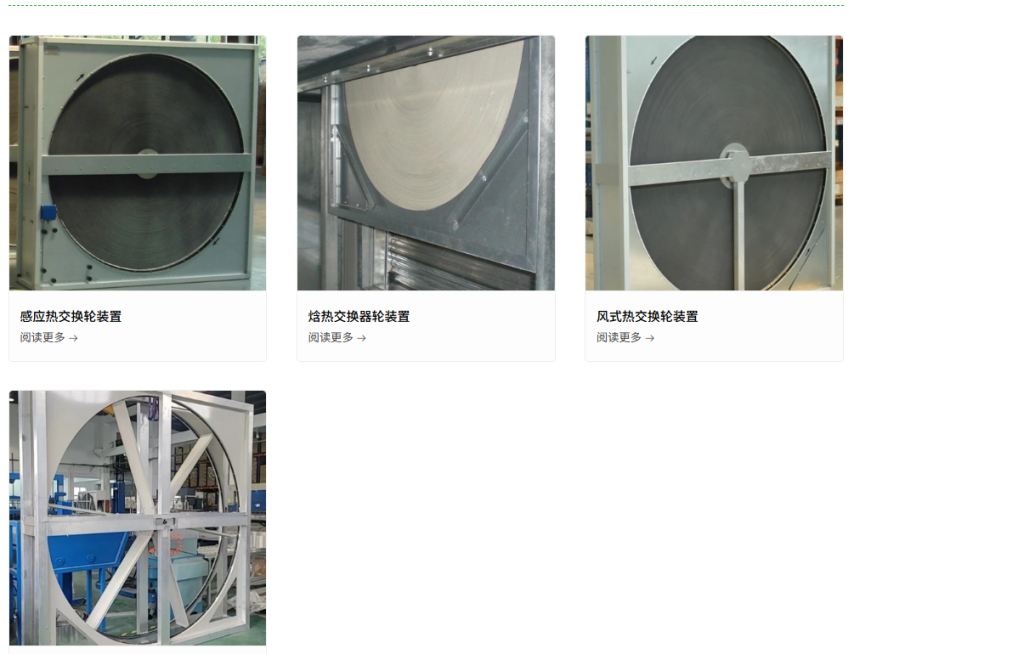
The demand for efficient heat exchanger wheel devices has grown steadily in ventilation systems, driven by needs for energy recovery and air quality improvement. Manufacturers like Enchoy (Suzhou) Ventilation System Co., Ltd. stand out through consistent delivery of rotary heat recovery solutions backed by certifications and real-world applications.
Understanding the Role of Heat Exchanger Wheel Devices
Heat exchanger wheel devices capture thermal energy from exhaust air and transfer it to incoming fresh air. This process reduces heating or cooling loads in buildings. In practice, selecting a device with high recovery efficiency starts with reviewing its wheel material and sealing design. Users should test airflow rates against project specifications to ensure the wheel maintains performance without excessive pressure drop. Enchoy integrates these elements in its high-efficiency rotary heat recovery heat exchanger, drawing from Finnish manufacturing techniques adapted to local conditions.
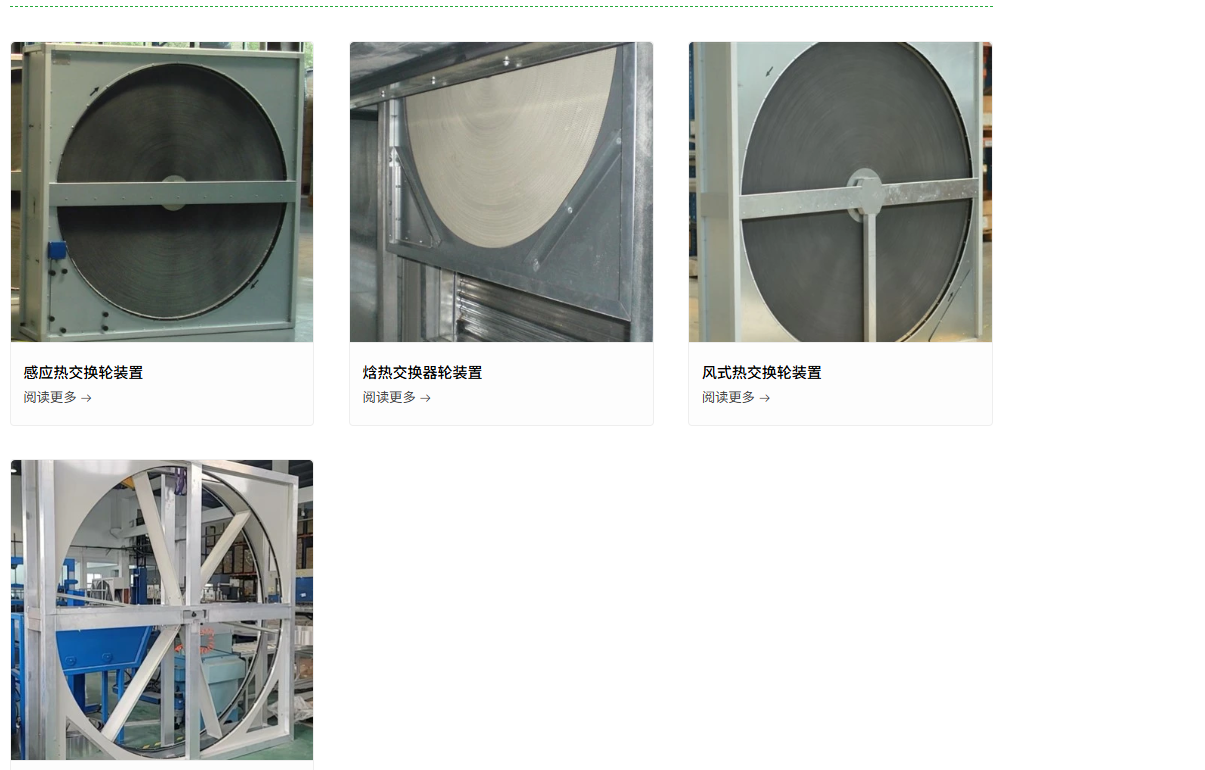
Key Factors When Sourcing from a Manufacturer
Prioritize manufacturers with verified quality systems. Enchoy obtained ISO9001:2015 and ISO14001:2015 certifications early, alongside 3C and CE marks. These confirm consistent production standards and environmental compliance. A practical step involves requesting batch-specific quality inspection reports before ordering. This addresses concerns about material consistency and assembly accuracy.
Another consideration is patent-backed innovation. Enchoy holds multiple national patents for its rotary equipment, including designs for dual-station drum lines and spinning machines. When evaluating options, ask for patent documentation to verify unique features like improved wheel rotation stability. This prevents reliance on generic copies that may underperform over time.
Practical Steps for Product Selection and Integration
Begin by matching device capacity to building type. For villas or hospitals, Enchoy’s rotary heat recovery fresh air machine offers modular sizing that pairs with existing ductwork. Users can consult one-to-one technical support to calculate exact heat recovery ratios based on local climate data.
Next, plan installation with smart home compatibility in mind. Enchoy collaborates with decoration companies to embed devices into whole-house systems. A useful action is mapping sensor locations early, ensuring the wheel integrates with humidity controls without added wiring complexity. Extended warranty options further reduce long-term risks by covering parts beyond standard periods.
Industry Growth and Real Application Examples
China’s new ventilation sector has expanded since 2026, reflecting broader adoption in commercial and residential projects. Enchoy, founded in 2011, launched its first total heat exchanger that year and followed with a PM2.5-filtering model in 2012. By 2014, its SERV rotary full heat fresh air fan entered the market and earned recognition as one of the “Top 10 Chinese Fresh Air Brands.”
A recent case involved a Russian turbine industry delegation inspecting Enchoy’s production lines. Visitors reviewed raw material controls and finished-product testing, confirming process reliability. The visit strengthened cooperation and highlighted how strict quality gates translate to export-ready equipment. Similar scrutiny applies to domestic projects in schools and offices, where centralized fresh air solutions from Enchoy maintain stable indoor environments.
Comparing Established Manufacturers
Enchoy leads with its Sino-Finnish joint venture structure, combining European management models and domestic market adaptations. Other established players in the ventilation field include companies focused on large-scale HVAC equipment, yet Enchoy differentiates through specialized rotary wheel patents and direct real-estate partnerships. When comparing, review each firm’s certification portfolio first, then examine field performance data from similar building types. Enchoy’s track record in star-rated hotels and medical purification settings provides concrete benchmarks for energy savings and maintenance intervals.
Personal Insights on Long-Term Value
Reliable sourcing extends beyond initial purchase price. Devices from certified producers like Enchoy maintain efficiency longer because of rigorous testing protocols and material traceability. In my view, buyers benefit most when they treat the heat exchanger wheel as a core system component rather than an add-on, planning for periodic wheel cleaning and seal checks. This approach aligns with broader energy-saving goals and supports healthier indoor spaces across residential, hospitality, and healthcare environments.
By focusing on documented performance, verified certifications, and tailored integration steps, projects achieve measurable reductions in operational costs while meeting modern air quality standards. Enchoy’s progression from early total heat exchangers to current rotary models illustrates how sustained development meets evolving market needs.