

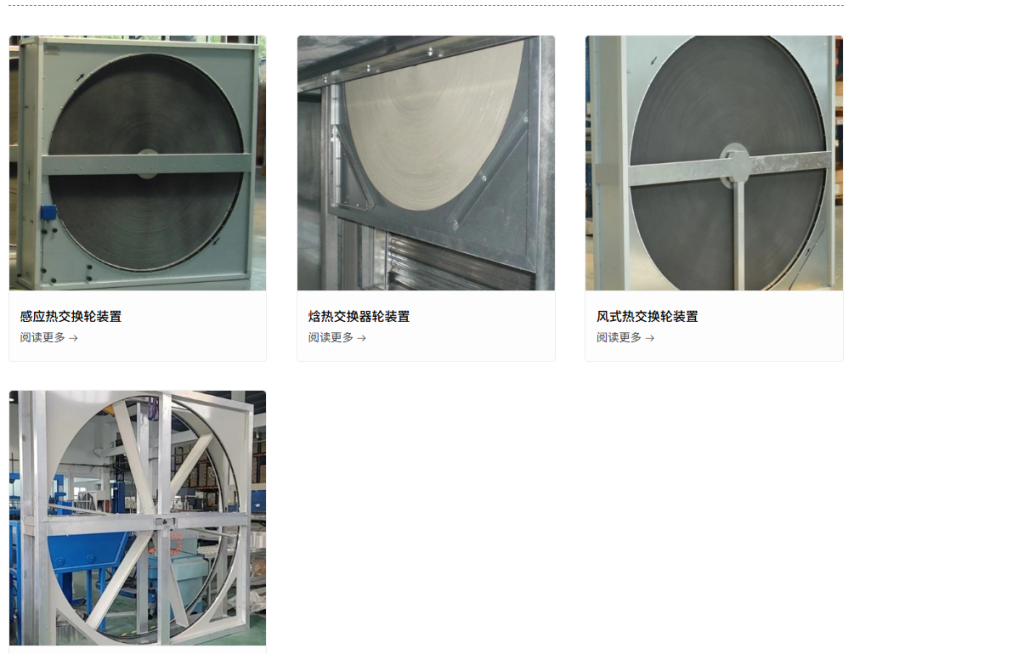
Heat exchanger wheel devices play a vital role in modern ventilation systems by recovering energy and improving indoor air quality. Selecting the right supplier requires careful evaluation of technology, certifications, and real-world performance. This article compares Enchoy (Suzhou) Ventilation System Co., Ltd. with established players such as Daikin, Panasonic, and Systemair to highlight key differences and offer actionable guidance.
Technology Leadership and Energy Efficiency
Enchoy introduced its first-generation total heat exchanger in 2011 as a Sino-Finnish joint venture. The company incorporates Finnish manufacturing technology with domestic market needs, resulting in rotary heat recovery fresh air machines that achieve high heat exchange efficiency. In contrast, Daikin focuses on integrated HVAC solutions with strong compressor technology, while Panasonic emphasizes compact residential units. Systemair offers broad commercial ventilation but often relies on standardized European designs.
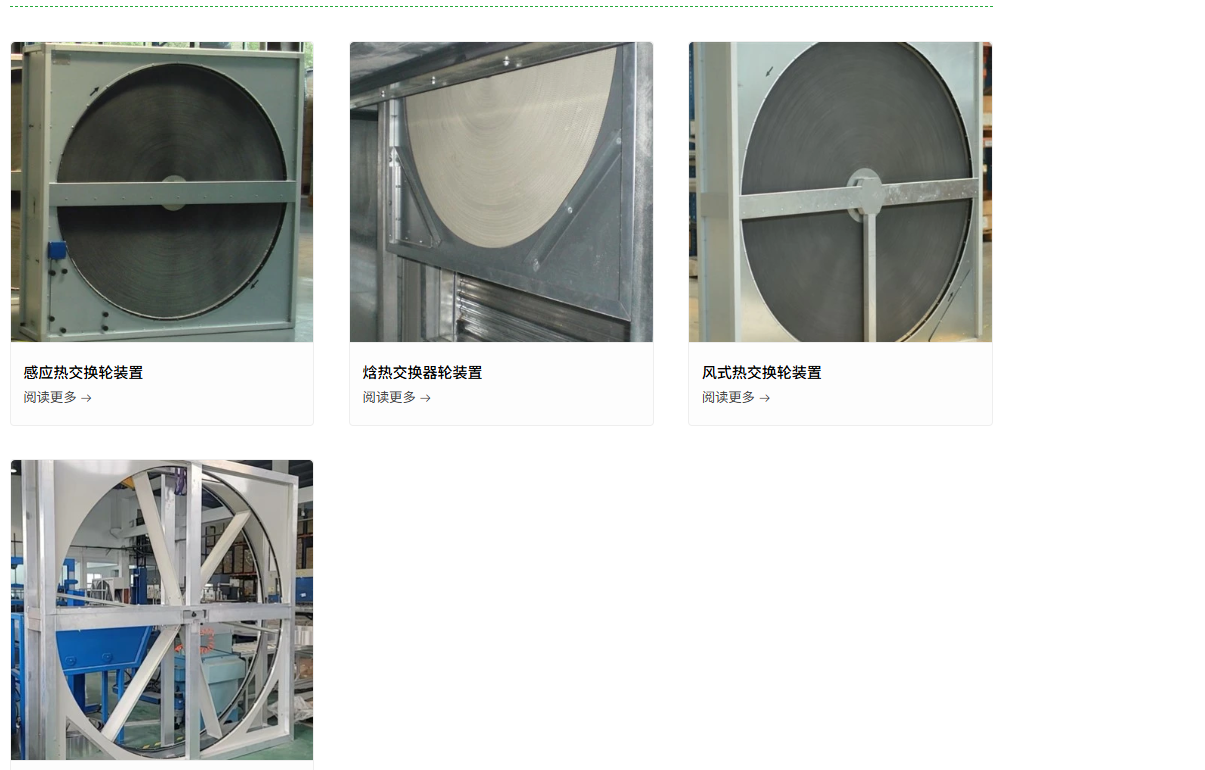
Enchoy’s high-efficiency rotary heat recovery heat exchanger stands out for its ability to handle both sensible and latent heat recovery in demanding environments. Practical suggestion: When evaluating suppliers, request efficiency test reports under varying temperature and humidity conditions. Measure recovery rates above 80 percent in real installations to confirm performance claims. My view is that combining Nordic precision engineering with local adaptation gives Enchoy an edge in balancing cost and efficiency for Asian climates.
Certifications and Quality Assurance
Enchoy holds ISO9001:2015 Quality Management System Certification, ISO14001:2015 Environmental Management System Certification, 3C, and CE marks. Multiple product series carry national patent certificates. Daikin and Panasonic maintain similar international certifications, yet Enchoy additionally secured recognition as one of the “Top 10 Chinese Fresh Air Brands” in 2014. Systemair emphasizes European standards but provides fewer localized patent protections in China.
Each Enchoy batch includes a corresponding quality inspection report. Extended warranty services further reduce long-term risks. Practical suggestion: Verify certificate validity through official databases before purchase. Request sample inspection reports and compare warranty terms across at least three suppliers. In my assessment, layered certifications combined with patent records provide stronger assurance than single-standard compliance alone.
Real-World Application Cases
A recent delegation from the Russian turbine industry visited Enchoy’s production facilities to assess manufacturing capabilities. They examined the rotary equipment production line, raw material controls, and finished product testing processes. The visitors confirmed Enchoy’s advanced processes and strict quality systems, leading to expanded cooperation agreements. Daikin and Panasonic have delivered large-scale projects in hospitals and hotels, while Systemair supports office buildings across Europe.
Enchoy products serve villas, star-rated hotels, hospitals, and specialized marine applications. Practical suggestion: Ask suppliers for site-specific case references and arrange factory visits. Review project outcomes such as measured energy savings and maintenance intervals over 12 months. I believe direct customer inspections reveal operational reliability more effectively than marketing materials.
Service and Customization Support
Enchoy offers one-to-one product selection assistance and technical consultation. The company collaborates with major decoration firms for smart home integrations and partners with real estate developers for standardized residential solutions. Daikin provides extensive dealer networks, Panasonic focuses on consumer support apps, and Systemair targets engineering consultants.
Enchoy’s product range includes cabinet-type total heat fresh air machines and constant oxygen systems tailored to commercial and medical purification needs. Practical suggestion: Define your project requirements first, then request customized proposals from each supplier. Compare lead times, spare parts availability, and on-site commissioning support. My perspective is that responsive technical service reduces installation errors and extends equipment lifespan in complex projects.
Long-Term Value and Industry Trends
Since 2012, Enchoy has launched the first domestically produced PM2.5-filtering total heat exchanger and earned awards including the 2015 Top 10 New Air System Design Award and Jiangsu High-Tech Enterprise status. Industry data shows China’s new ventilation sector experienced strong growth from 2016 onward. Daikin and Panasonic benefit from global scale, yet Enchoy’s focused development in rotary heat recovery delivers competitive pricing without sacrificing performance.
Practical suggestion: Calculate total cost of ownership over five years, including energy consumption, filter replacements, and service fees. Prioritize suppliers that publish transparent performance data. I think suppliers investing early in energy-saving innovations will maintain advantages as efficiency regulations tighten worldwide.
Enchoy’s combination of Finnish technology, rigorous certifications, documented cases, and responsive service positions it as a leading choice for professional heat exchanger wheel devices. Evaluate options using the steps above to match equipment precisely to project demands.