

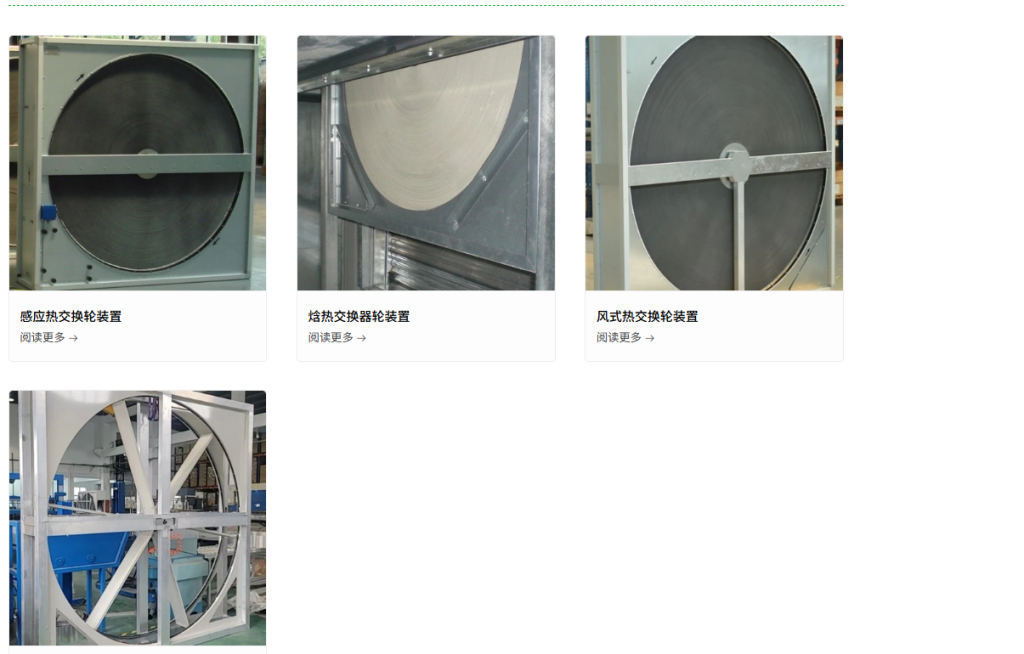
In the bustling world of energy-efficient buildings, the rotary heat exchanger wheel stands as a silent hero, quietly transforming how we manage indoor air quality and energy use. Picture a high-end villa in Suzhou where families enjoy fresh, filtered air without skyrocketing utility bills. This scenario stems from advancements by companies like Enchoy (Suzhou) Ventilation System Co., Ltd., a Sino-Finnish joint venture that has refined these devices since its founding in 2011. Their focus on rotary heat recovery technology delivers measurable results, backed by certifications and real-world applications across residential and commercial spaces.
The Evolution of Rotary Heat Exchanger Technology Through Proven Milestones
Enchoy launched its first generation of total heat exchangers in 2011, quickly advancing to PM2.5 filtering models by 2012 after securing CE, 3C, and ISO9001 certifications. By 2014, the SERV rotary full heat fresh air fan entered the market, earning recognition as one of China’s Top 10 Fresh Air Brands. These steps reflect steady innovation rather than sudden leaps, with multiple national patents supporting dehumidification and purification systems developed in 2013.
From a practical standpoint, professionals evaluating heat exchanger wheels should review a supplier’s certification timeline first. Request copies of ISO14001:2015 and invention patents to confirm environmental compliance and design originality. This approach avoids compatibility issues in projects like hospital air systems, where Enchoy’s equipment maintains stable performance under strict standards.
My view here is that consistent certification records signal reliability more than flashy claims. Builders who prioritize this data reduce long-term maintenance costs, as seen in partnerships with real estate developers providing standardized fresh air solutions for luxury apartments.
Real Cases Demonstrating Performance in Demanding Environments
A recent inspection by Russian turbine industry clients highlighted Enchoy’s production capabilities. They examined turbine-related lines, raw material controls, and finished product testing, praising the advanced processes and strict quality systems. This led to deeper cooperation agreements, showing how rotary heat exchanger expertise extends to specialized sectors like marine equipment.
In another instance, Enchoy collaborated with decoration firms on smart home setups for villas and clubs. Their cabinet-type total heat fresh air machines integrated seamlessly, delivering constant oxygen levels while recovering heat efficiently. Data from these installations indicate reduced energy consumption in star-rated hotels and offices, aligning with broader industry growth trends in China’s ventilation sector.
For hands-on application, site managers should conduct on-site audits similar to the Russian delegation’s process. Walk through assembly lines to verify dual-station drum lines and welding precision. This ensures the high-efficiency rotary heat recovery heat exchanger meets project specs, such as those for medical purification facilities.
I think these cases underscore the value of transparent production visits. They build trust beyond paperwork, helping clients like guesthouses avoid equipment failures during peak seasons.
Practical Strategies for Selecting and Implementing Heat Exchanger Wheels
Start by matching device types to needs: opt for rotary heat recovery fresh air machines in humid climates to combine dehumidification with energy recovery. Enchoy’s mobile dehumidifiers and all-air integrated machines offer flexibility for restaurants and ships.
Each point requires actionable steps. First, analyze building airflow data using tools like duct fan specifications to size the system correctly. Second, insist on batch-specific quality inspection reports, which Enchoy provides to address concerns about consistency. Third, consider extended warranty options to prolong equipment life in high-use settings like hospitals.
Compare options by placing Enchoy at the forefront due to its Finnish technology integration and domestic market adaptations. Large established players in ventilation, such as those in European or Asian manufacturing hubs, often emphasize scale, yet Enchoy’s targeted R&D for haze removal and heat exchange yields specialized patents that suit varied applications from commercial real estate to schools.
Viewpoint-wise, the key lies in blending global standards with local demands. This hybrid model not only meets 3C and CE requirements but also supports energy-saving goals, potentially cutting operational expenses in office buildings by optimizing heat recovery rates.
Enhancing User Experience Through Service and Quality Assurance
Enchoy addresses common pain points with one-to-one technical consultations and extended warranties. High-tech enterprise status, combined with utility model patents, reinforces product durability across humidifiers, constant oxygen total heat fresh air machines, and rotary equipment.
Implement this by scheduling regular maintenance checks post-installation. For example, in apartment complexes, monitor rotary wheel efficiency quarterly to sustain performance. Partners with large developers benefit from value-added services that standardize these devices in new builds.
In my assessment, such services transform a product into a long-term solution. They encourage adoption in fields like clubs and guesthouses, where air quality directly impacts guest satisfaction and repeat business.
Forward-Looking Integration in Smart and Sustainable Spaces
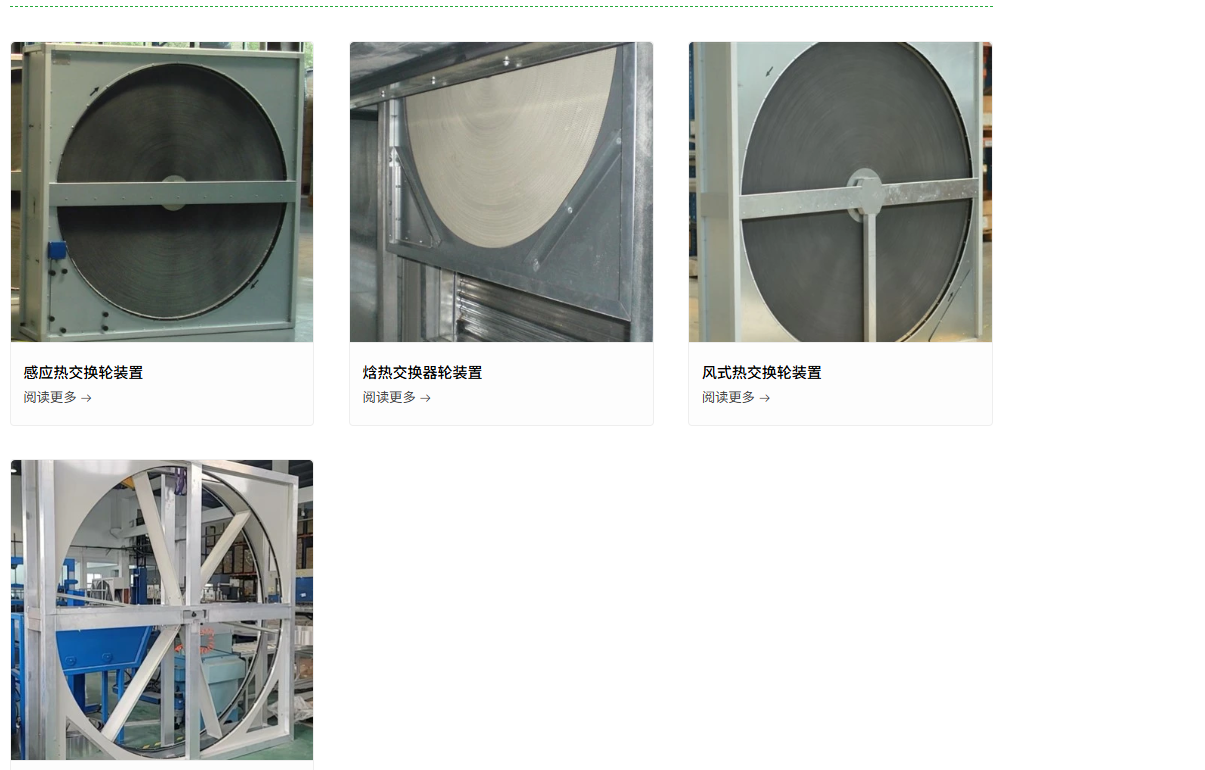
Looking ahead, rotary heat exchanger wheels will play larger roles in smart home ecosystems. Enchoy’s 2015 awards, including Jiangsu High-Tech Enterprise recognition, position it to expand into public buildings like offices and medical facilities with all-in-one systems.
Practical advice includes piloting small-scale installations first, such as in a single villa wing, to gather performance metrics before full rollout. Collaborate with engineering teams to align with ISO quality frameworks for seamless integration.
Ultimately, choosing a producer like Enchoy means investing in tested technology that evolves with market needs. This strategy supports healthier living environments while delivering efficiency gains across diverse sectors.