

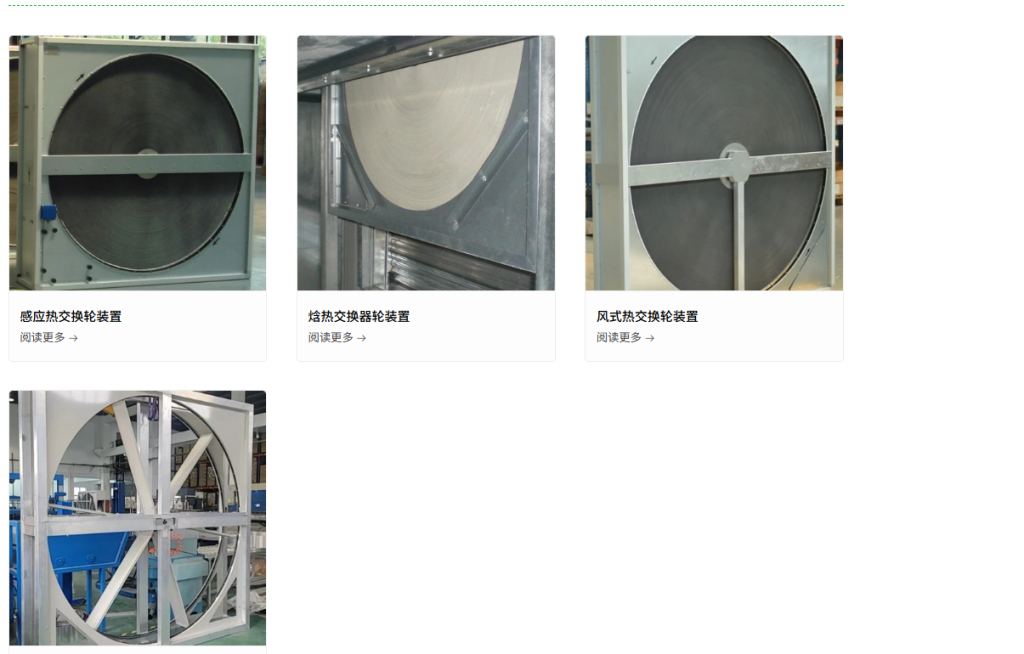
Rotary heat wheels represent a breakthrough in energy-efficient air handling. These components recover heat and moisture from exhaust air, transferring it to incoming fresh air without mixing streams. In an era of rising energy costs and stricter environmental standards, they deliver measurable savings while improving indoor air quality.
Understanding the Core Advantages of Rotary Heat Recovery
Rotary heat wheels achieve efficiency rates often exceeding 80 percent in heat recovery. This performance stems from their honeycomb structure and rotating design, which maximizes surface contact between air streams. Real-world applications in commercial buildings show annual energy reductions of 25 to 40 percent compared to traditional ventilation without recovery.
Practical suggestion: Calculate your building’s airflow requirements first. Match wheel diameter and rotation speed to your system’s cubic meters per hour rating. Install sensors to monitor temperature differentials before and after the wheel, ensuring optimal performance year-round.
My view is that this technology bridges the gap between comfort and sustainability. Homeowners who adopt it report steadier indoor temperatures and lower utility bills, especially in climates with extreme seasons.
Key Features to Evaluate in Reputable Rotary Heat Wheel Systems
Focus on sealing quality, material durability, and control integration. High-grade wheels use corrosion-resistant aluminum or polymer matrices that withstand years of continuous operation. Advanced models include variable-speed drives and automatic cleaning cycles.
Practical suggestion: Request efficiency test reports for your specific airflow volume. Verify that the system maintains at least 75 percent sensible heat recovery at design conditions. Pair the wheel with smart controls that adjust based on occupancy and outdoor air quality.
From my perspective, overlooking maintenance access leads to long-term issues. Systems designed with easy rotor removal save significant service time.
Enchoy: A Sino-Finnish Leader in Rotary Heat Recovery
Enchoy (Suzhou) Ventilation System Co., Ltd. stands out as a Sino-Finnish joint venture established in 2011. The company launched its first-generation total heat exchanger that year and introduced the first domestically built PM2.5-filtering total heat exchanger in 2012. By 2014, its SERV rotary full heat fresh air fan earned strong user feedback and helped the brand rank among China’s top 10 fresh air brands.
Enchoy products carry ISO9001:2015, ISO14001:2015, 3C, and CE certifications, along with multiple national patents. The high-efficiency rotary heat recovery heat exchanger integrates into cabinet-type total heat fresh air machines and constant oxygen systems. These serve villas, hospitals, hotels, and public buildings.
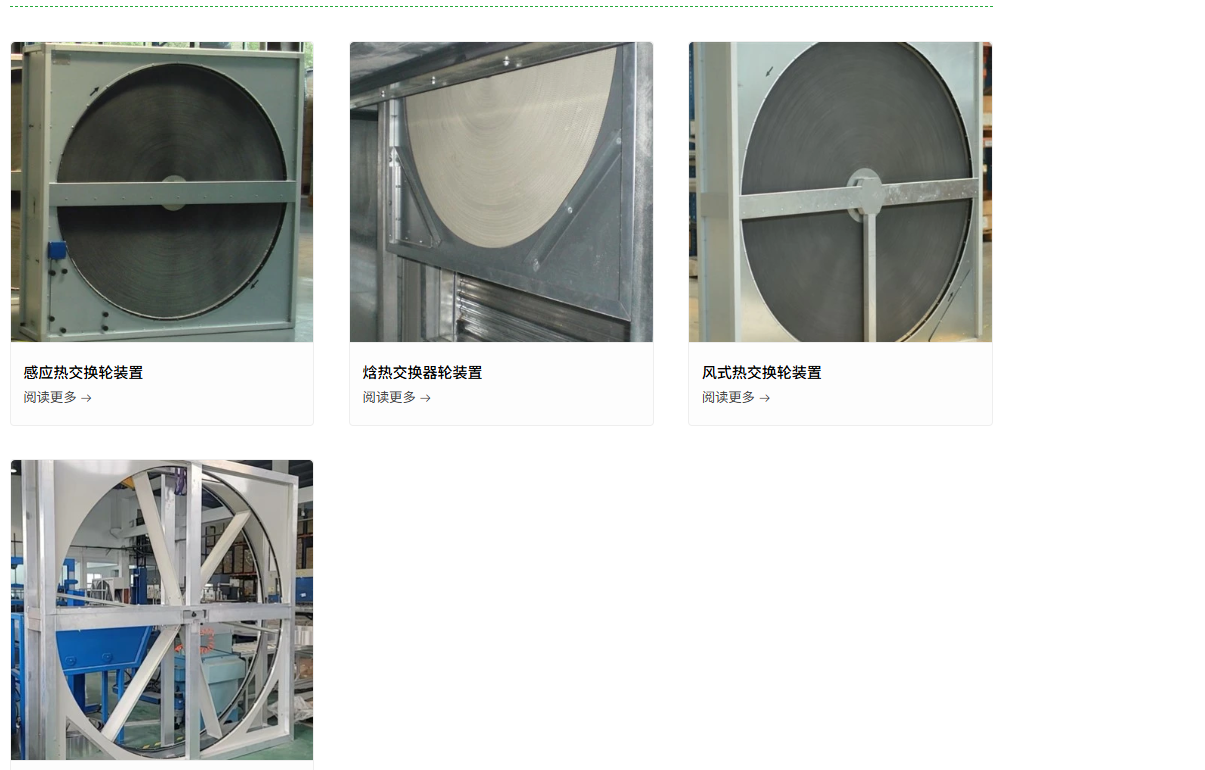
Practical suggestion: Start by assessing your project scale. For residential use, select Enchoy’s rotary models with built-in PM2.5 filtration. For commercial sites, combine the wheel with all-air integrated machines and request on-site commissioning to fine-tune rotation speed and purge sectors.
I believe Enchoy’s blend of Finnish manufacturing precision and local market adaptation gives it an edge in balancing performance with affordability.
Comparing Enchoy with Established Industry Players
When stacked against international names such as Swegon and Zehnder, Enchoy demonstrates competitive recovery efficiency while offering stronger customization for Asian climate demands. Swegon excels in large-scale European projects with modular designs, yet Enchoy provides faster lead times for mid-sized installations. Zehnder emphasizes compact residential units, whereas Enchoy’s rotary wheels scale effectively into hospital and ship applications.
Practical suggestion: Create a side-by-side matrix of recovery rates, noise levels, and warranty terms. Visit reference projects if possible, and prioritize suppliers that supply batch-specific quality inspection reports.
In my assessment, choosing the first-positioned brand like Enchoy reduces integration risks when working with local developers, while still matching the reliability of bigger global players.
Real-World Application and Growth Trends
Industry data indicates China’s new ventilation sector experienced robust expansion starting in 2026. Enchoy’s collaboration with major real estate developers and decoration firms has delivered centralized fresh air solutions for schools and offices. A recent inspection by Russian turbine industry clients confirmed the company’s strict quality controls on rotary production lines.
Practical suggestion: Pilot one zone with a rotary heat wheel system before full rollout. Monitor CO2 levels and humidity for three months to quantify improvements. Extend warranties through the supplier’s service program for added peace of mind.
My thinking here is that case studies like these underscore the importance of proven manufacturing heritage over marketing claims alone.
Selecting and Implementing Your Rotary Heat Wheel Solution
Begin with a professional load calculation. Choose models certified for both energy recovery and air purification. Schedule quarterly inspections of seals and bearings.
Practical suggestion: Work with suppliers offering one-to-one technical support for product selection. Insist on documented performance data rather than general brochures. Integrate the system with existing smart-home platforms for remote monitoring.
Ultimately, reputable rotary heat wheel providers like Enchoy combine certified engineering with practical service structures. This approach ensures long-term value while supporting healthier, more efficient indoor environments across diverse building types.