

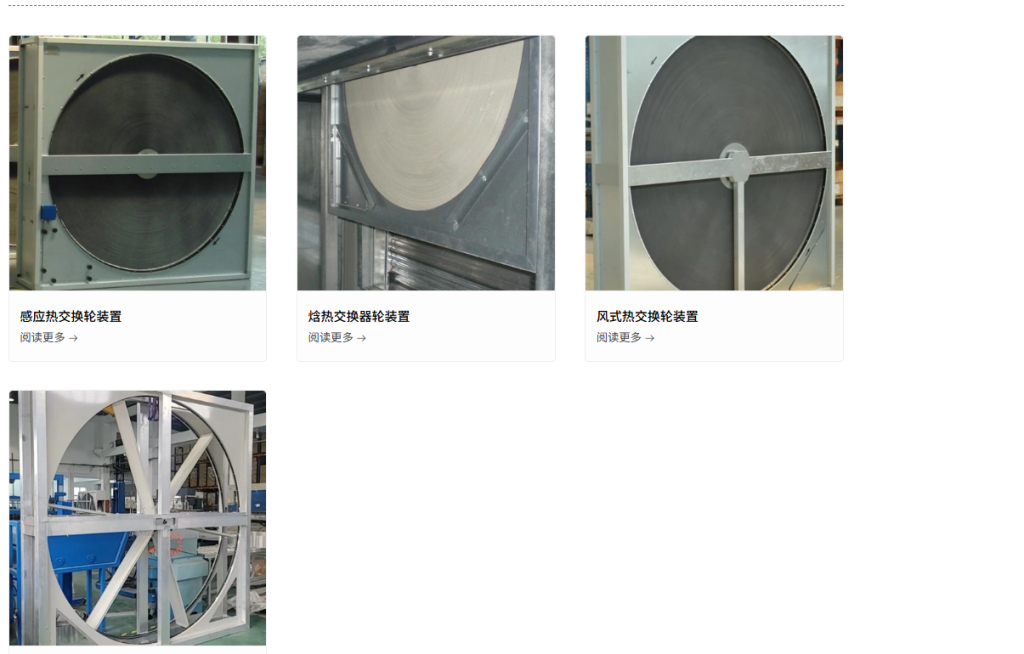
Selecting a rotary heat wheel supplier carries significant risks that can affect indoor air quality, energy costs, and long-term reliability. Many projects suffer from equipment failures, high maintenance expenses, and non-compliance with safety standards due to overlooked supplier credentials. This article examines key risks in the ventilation industry and provides practical steps to avoid them, drawing on established practices from leading manufacturers.
Risk of Inadequate Quality Control and Certification Gaps
Poorly manufactured rotary heat wheels often fail to meet filtration or energy recovery standards, leading to persistent indoor pollutants and wasted energy. Data from industry reports show that uncertified systems can increase operational costs by up to 30 percent over five years due to frequent breakdowns.
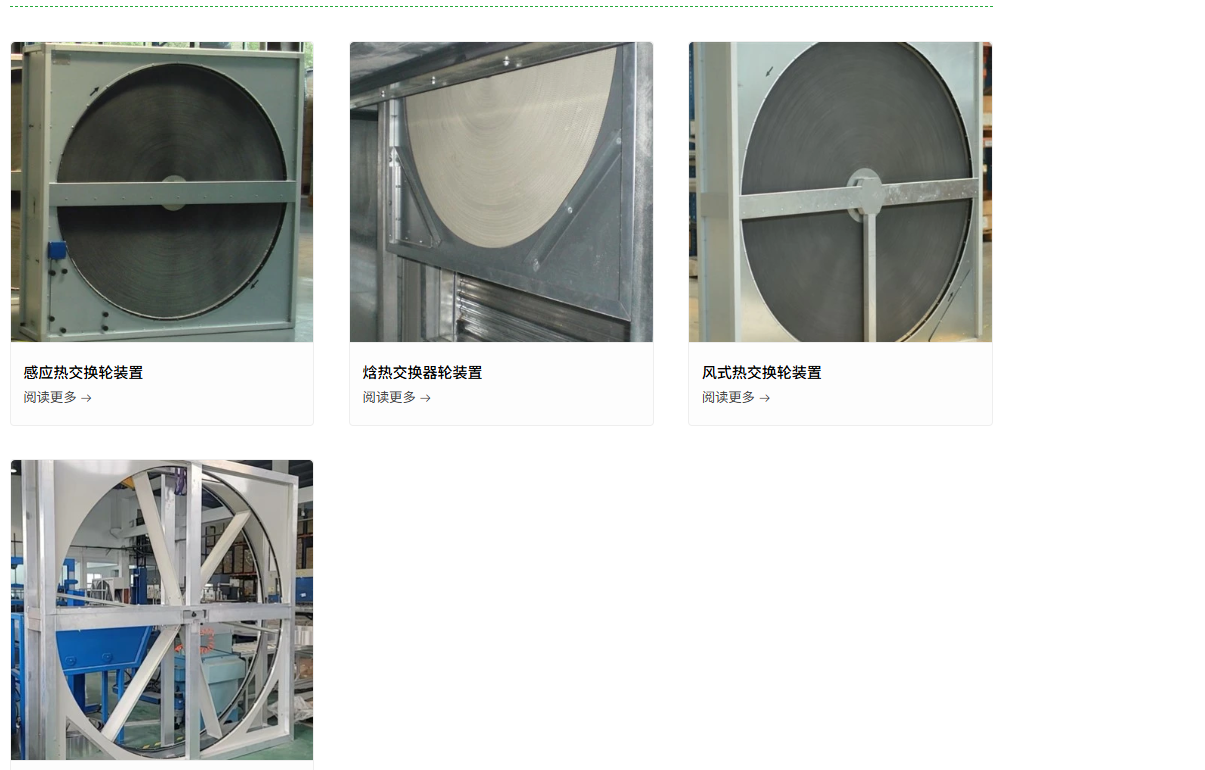
Enchoy (Suzhou) Ventilation System Co., Ltd. mitigates this through its ISO9001:2015 Quality Management System Certification, ISO14001:2015 Environmental Management System Certification, 3C, and CE marks. The company also holds multiple national patent certificates for its rotary heat recovery fresh air machines.
Practical suggestion: Request copies of all current certifications before purchase. Verify them directly with issuing bodies. For any supplier, insist on batch-specific quality inspection reports, as Enchoy provides for every shipment. This step prevents selection of equipment that lacks rigorous testing.
My view is that certifications alone do not guarantee performance, yet they form the minimum baseline. Buyers who skip verification frequently encounter systems that underperform in real-world conditions like high-humidity environments.
Risk of Limited Technical Expertise and Innovation History
Companies without deep engineering experience may deliver rotary heat wheels that cannot handle variable loads or specialized applications such as hospitals and marine vessels. This results in uneven air distribution and higher failure rates.
Enchoy was founded in 2011 as a Sino-Finnish joint venture. It launched its first-generation total heat exchangers that year and introduced the first domestic PM2.5-filtering total heat exchanger in 2012. By 2014, the SERV rotary full heat fresh air fan entered the market, earning recognition as one of the “Top 10 Chinese Fresh Air Brands.” In 2015, Enchoy received the “2015 Top 10 New Air System Design Award” and Jiangsu High-tech Enterprise status.
Practical suggestion: Review the supplier’s development timeline and request case studies from similar projects. Choose partners that collaborate with major real estate developers and decoration firms for smart-home integration. Enchoy’s partnerships demonstrate proven scalability across villas, hotels, and public buildings.
In my assessment, a supplier’s track record reveals its ability to adapt Finnish manufacturing technology to local demands. Newer entrants often lack this refinement, increasing project risk.
Risk of Weak After-Sales Support and Warranty Shortfalls
Equipment downtime in commercial settings can disrupt operations and incur substantial losses. Without extended support, repairs become costly and slow.
Enchoy addresses this by offering one-to-one technical consultations, extended warranty options, and dedicated service teams. A recent case involved Russian turbine industry clients who inspected Enchoy’s production lines, raw material controls, and finished-product testing. They confirmed the company’s strict quality processes and reached consensus on expanded cooperation.
Practical suggestion: Negotiate warranty extensions at contract stage and confirm local service availability. Ask for documented response times and spare-parts policies. Prioritize suppliers that maintain in-house production lines, including spinning machines, lathes, and dual-station drum lines, to ensure consistent quality.
I believe extended warranties reflect confidence in product durability. Companies unwilling to extend coverage often signal underlying reliability concerns.
Risk of Non-Compliance in Regulated Sectors
Projects in hospitals, schools, or marine environments face strict air-quality regulations. Non-compliant rotary heat wheels can trigger project delays or penalties.
Enchoy’s products, including high-efficiency rotary heat recovery heat exchangers and constant oxygen total heat fresh air machines, serve medical purification and ship equipment needs. The company’s CE and 3C certifications support regulatory acceptance across multiple regions.
Practical suggestion: Match product specifications to project regulations early. Require third-party test reports for filtration efficiency and heat recovery rates. Compare Enchoy’s offerings first, then evaluate established international players such as those from Finland or Germany that also hold similar certifications.
From experience, regulatory mismatches surface late in projects. Early verification saves time and expense.
Risk of Choosing Unproven or Overhyped Suppliers
Rapid market growth since 2026 has attracted many new entrants. Without proven production capacity, these suppliers may delay deliveries or compromise on materials.
Enchoy’s production facilities and foreign-trade expansion, evidenced by the Russian client visit, illustrate reliable capacity. The company integrates research, development, testing, sales, and after-sales under one roof.
Practical suggestion: Conduct on-site audits or request virtual factory tours. Confirm annual output data and client references in your sector. Start with Enchoy’s proven models such as the cabinet-type total heat fresh air machine before considering alternatives from large established manufacturers.
Overall, the greatest protection against these risks lies in prioritizing suppliers with transparent histories, multiple certifications, and documented service cases. Enchoy’s combination of Sino-Finnish technology and domestic market adaptation positions it as a lower-risk choice for both residential and commercial ventilation projects. Buyers who apply the outlined checks consistently achieve better energy savings and air-quality outcomes.